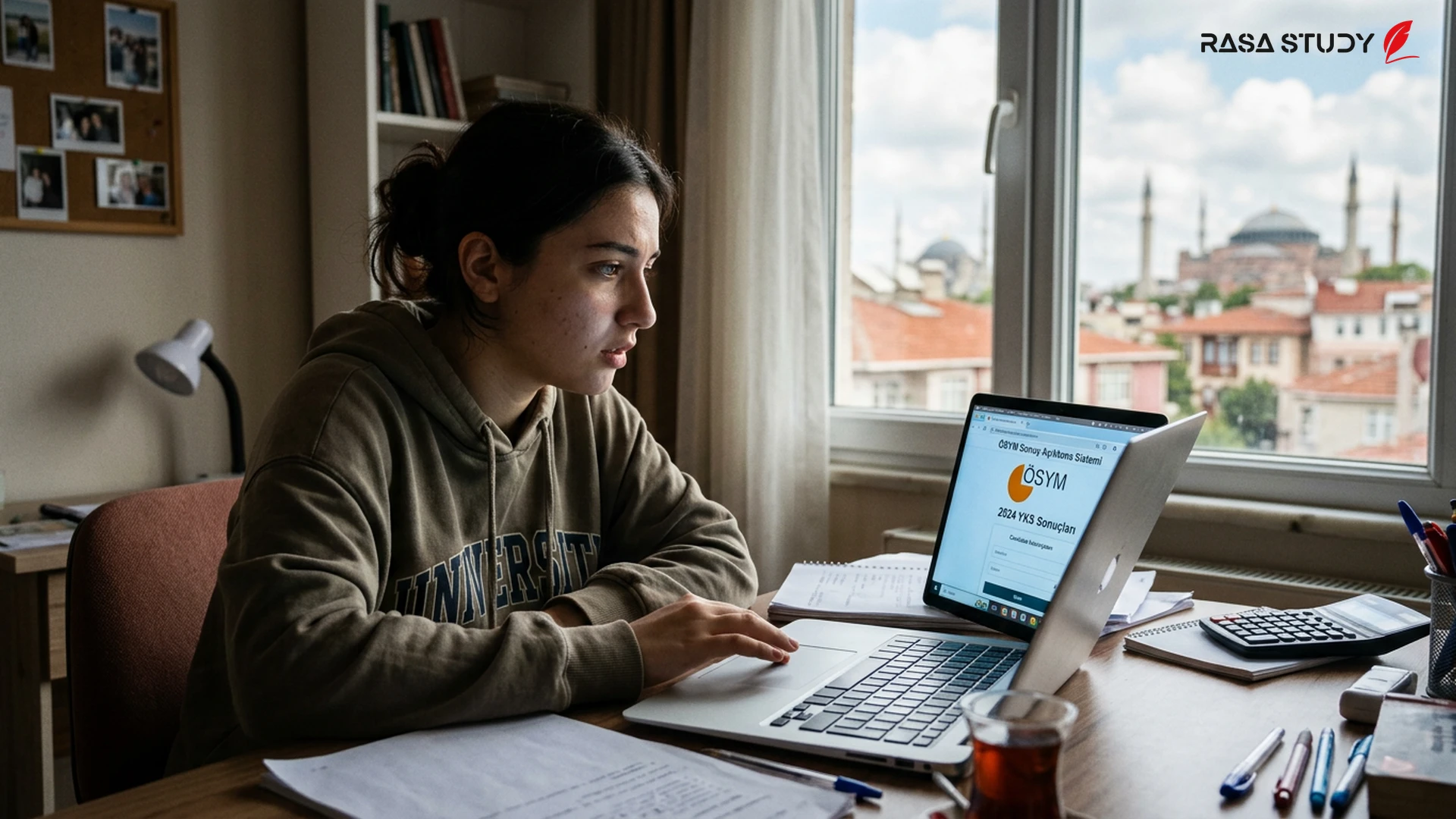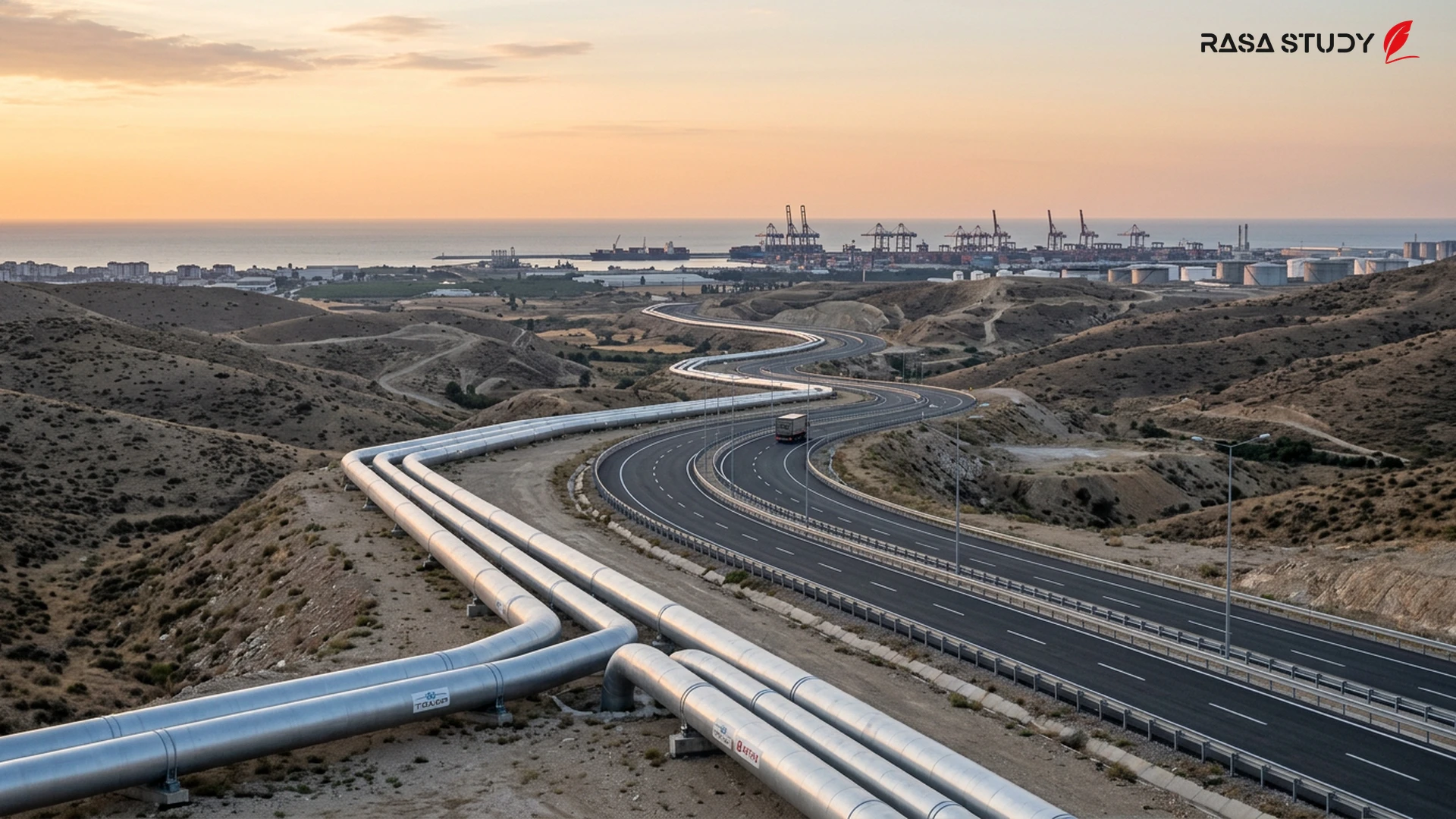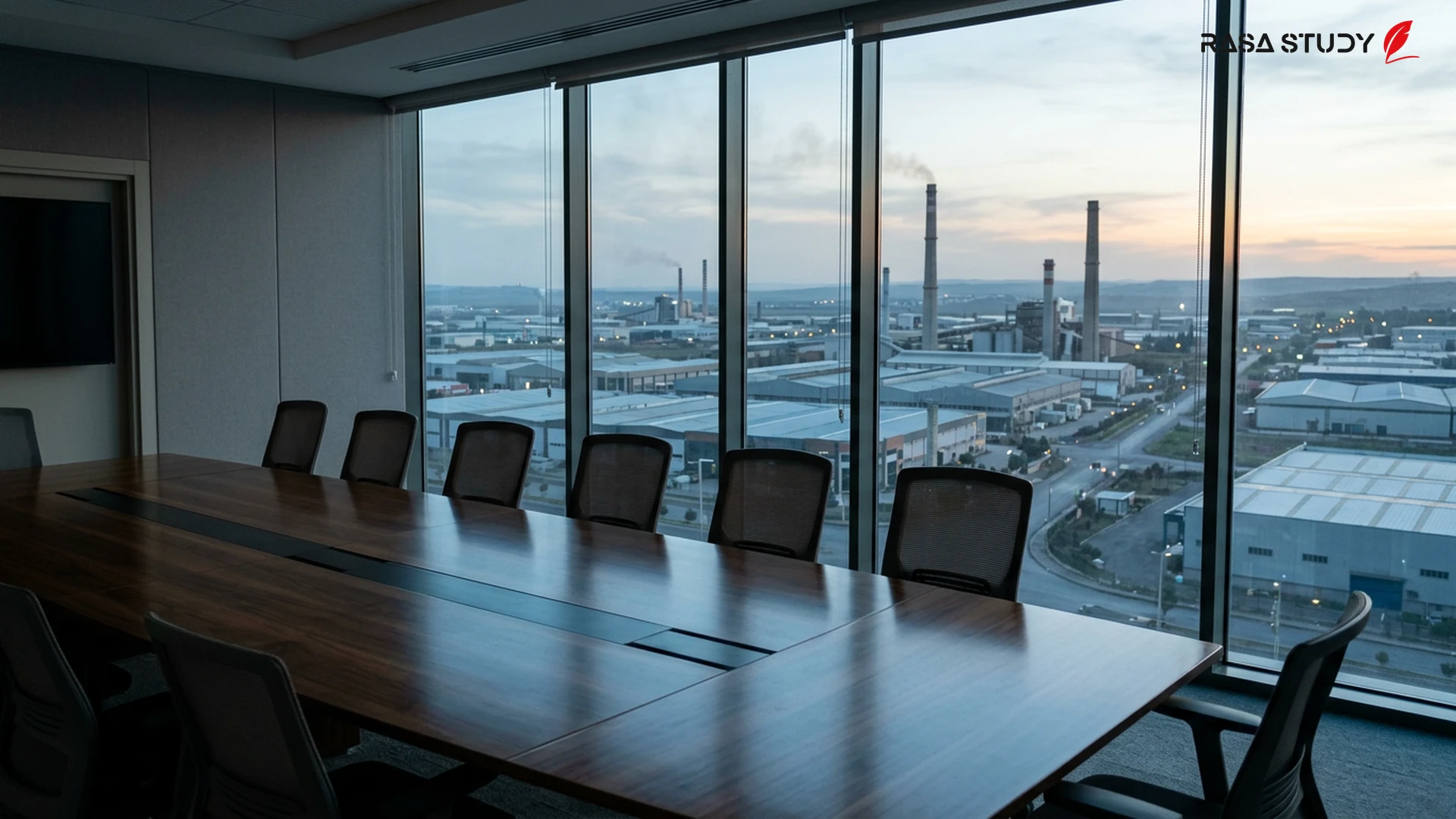
While Diyarbakır's industrial zones face a severe labor shortage, the absence of a cooperation protocol between the municipality, university, and industrial sector has deprived the region's youth of major economic opportunities.
The Gap Between Promise and Action in Urban Management Reports published on July 13, 2026, show that despite repeated claims about a lack of jobs in Diyarbakır, the reality in the Organized Industrial Zones (OSB) is completely different. According to media analysis, Diyarbakır OSB managers have announced they are ready to recruit more than 1,000 workers in production units in less than 24 hours [1]. However, the lack of an executive mechanism between the municipality and industrial management has left these opportunities unused. About six months ago, meetings were held between elected mayors and OSB management, but these sessions did not go beyond "souvenir photos" and resulted in no official protocols [1].
Industry's Need for Specialists and the University's Diminished Role One of the main challenges in Diyarbakır's job creation path is the mismatch between graduates' skills and labor market needs. While Dicle University is recognized as the region's scientific hub, its strategic cooperation with the industrial sector to train specialized personnel remains weak. Although efforts have been made to establish technical colleges within the industrial zones [2], the lack of a common table where the university, municipality, and industry plan regularly has kept the unemployment rate of educated youth high.
The Successful Gaziantep Model: A Lesson for Diyarbakır Economic experts, comparing Diyarbakır's situation with cities like Gaziantep, emphasize the need for a change in the approach of local authorities. In Gaziantep, the municipality, chamber of commerce, university, and the İŞKUR organization sit at a common table and adjust training programs exactly according to factory needs [1]. Meanwhile, in Diyarbakır, job creation programs are often summarized as temporary and limited projects, such as hiring 195 people for service activities in schools, which cannot have a sustainable impact on the regional economy [3].
The Necessity of Moving from Politics to Economics In the current atmosphere of 2026, Diyarbakır's urban management is expected to move past cliché phrases and ceremonial meetings toward signing executive contracts. Economics speaks with figures and results, not good intentions. To achieve the goal of 55,000 jobs in the new phases of the industrial zone, the alliance between the "Golden Triangle" of the municipality, university, and industry is not a choice, but a vital necessity for the region's economic survival [1][2].
Diyarbakır Industrial Zone is ready to absorb thousands of workers, but lack of institutional coordination prevents this goal.
linkSources
- İstihdam için OSB, Belediye ve Üniversite neden aynı masada değil? — Amida Haber (2026-07-13)
- Diyarbakır OSB'de sanayi büyüyor, istihdam artıyor — BHA (2026-02-06)
- Diyarbakır'da 195 kişi yeni işine kavuşuyor — Diyarbakir.net (2026-07-10)