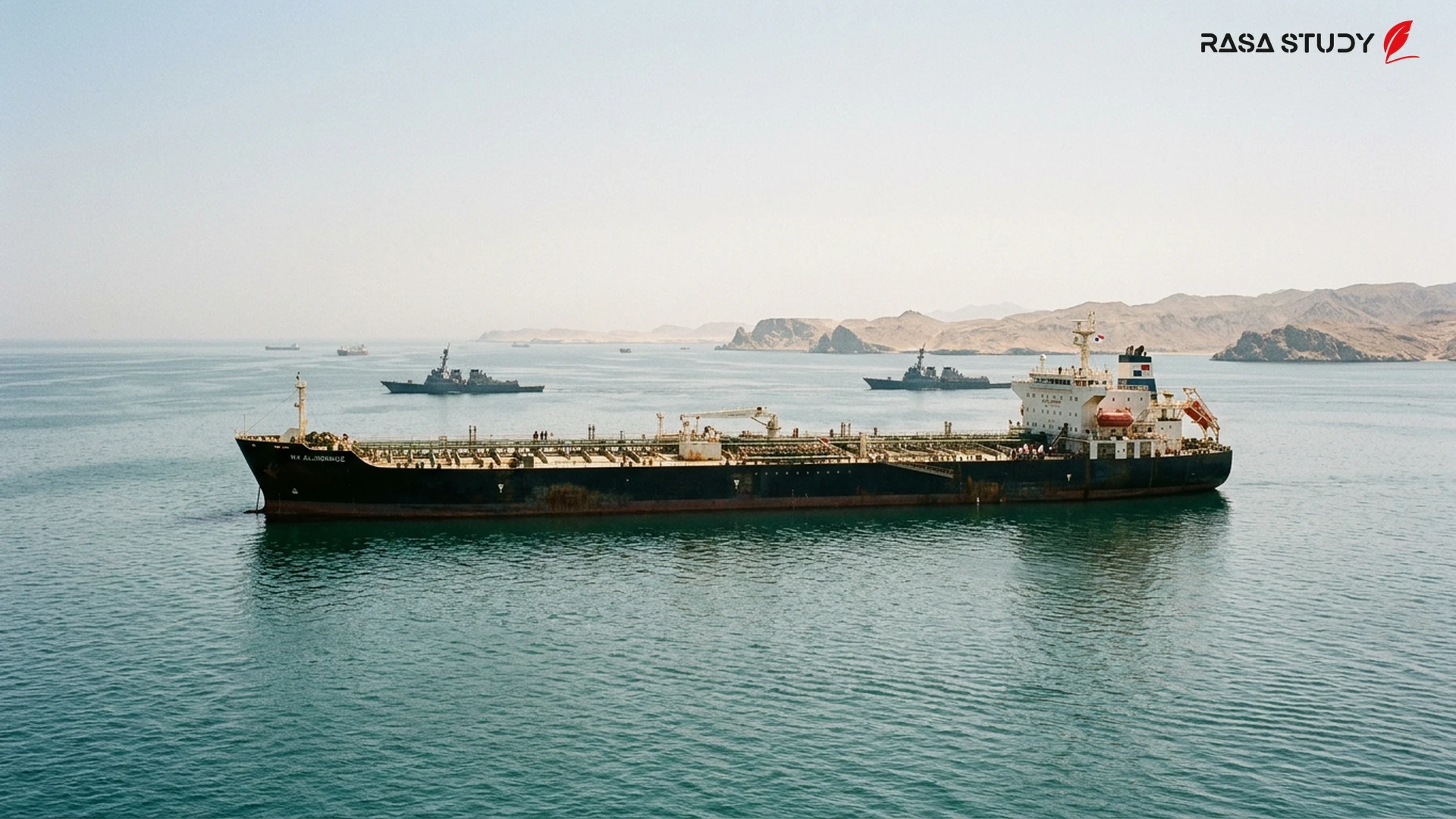
On July 13, 2026, escalating military conflicts in the Middle East and the closure of the Strait of Hormuz sent shockwaves through global markets, driving the Euro's value to its lowest level in a year against the US Dollar.
Crisis in the Strait of Hormuz and Capital Flight to Safe Havens
Today, July 13, 2026, global currency markets witnessed severe volatility. According to the HaberGo news outlet, following new attacks by the United States Central Command (CENTCOM) on targets within Iranian territory and Tehran's subsequent official announcement of the closure of the Strait of Hormuz "until further notice," oil prices surged by 4% [1]. This blockage in one of the world's most vital energy waterways prompted investors to quickly sell off risky assets and move toward "safe havens," including the US Dollar.
As a result of these developments, the EUR/USD pair fell significantly to the 1.14 range, marking its lowest level since June of last year [3]. Analysts believe that the disruption of the energy supply chain and rising maritime transport costs have placed additional pressure on the Eurozone economy, which is heavily dependent on energy imports.
Inflationary Pressure and the Interest Rate Dilemma at the ECB
The sudden spike in fuel prices has doubled concerns about an inflationary wave returning to Europe. Yannis Stournaras, a policymaker at the European Central Bank (ECB), warned that under the new conditions, the fight against inflation might return to its starting point [2]. Currently, the deposit interest rate at the ECB stands at 2.25%, but markets are now predicting the possibility of two more rate hikes in 2026 [4].
The first rate hike is expected to occur in September to curb the inflationary effects resulting from the Middle East energy shock. However, some analysts warn that raising interest rates while European economic growth has slowed due to the energy crisis could increase the risk of stagflation [5].
Euro Status in the Turkish Market and Future Outlook
In the Turkish currency market, the Euro also faced severe fluctuations due to these tensions. The price of one Euro reached 53.67 Lira in today's trading, reflecting the direct impact of regional tensions on emerging economies [1]. Traders in Istanbul and other regional financial centers are closely following news regarding international mediation to reopen the Strait of Hormuz.
Economic experts believe that pressure on the Euro will continue until the military situation in the Persian Gulf stabilizes. Isabel Schnabel, a member of the ECB Executive Board, emphasized that the institution is ready to adopt stricter monetary policies if price pressures persist, even if this action comes at the cost of reduced economic growth [3].
Severe Euro fluctuations in global markets following the closure of the Strait of Hormuz on July 13, 2026.
linkSources
- Euro'da Sert Düşüş: Orta Doğu Gerilimi ve Faiz Beklentileri Kuru Vurdu — HaberGo (2026-07-13)
- Küresel piyasalar alarmda: Euro son bir yılın en düşüğünde — NTV (2026-07-13)
- Euro under pressure amid US-Iran military tensions — Economies.com (2026-07-13)
- ECB Officials See Next Rate Increase Possible as Soon as July — Financial Post (2026-06-11)
- Euro Technical Analysis: EUR/USD 4-Hour Chart — Forex.com (2026-06-15)


