Mohammad Bagher Qalibaf, Speaker of Parliament and Iran's senior negotiator, declared in a firm speech that uranium enrichment is the legitimate and inseparable right of the Iranian nation. He warned that Tehran is ready for military confrontation if Washington fails to adhere to its commitments.
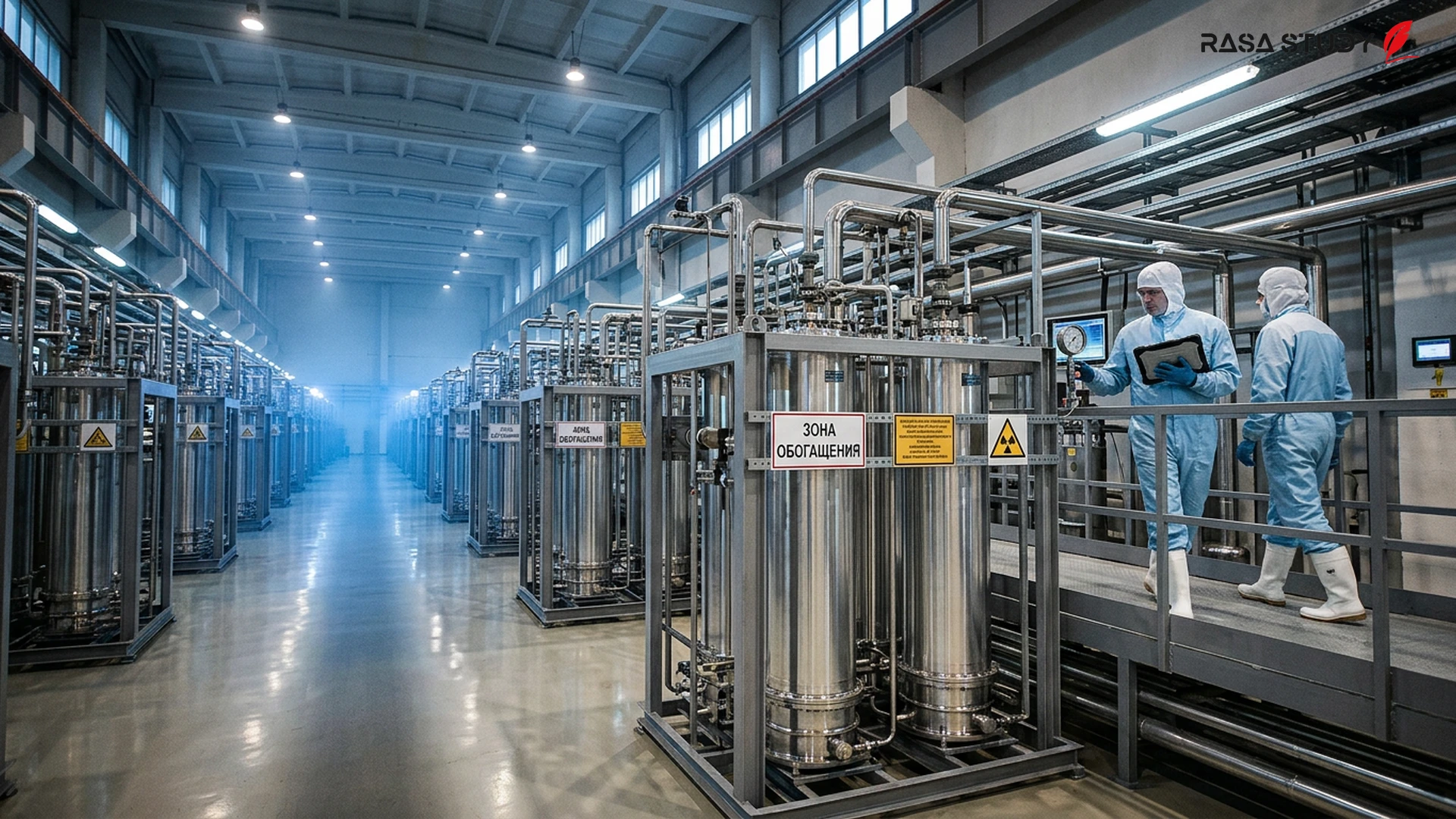
Uranium Enrichment; A Component of Power and the System's Red Line Mohammad Bagher Qalibaf, Speaker of the Islamic Consultative Assembly, outlined the clear positions of the Islamic Republic of Iran regarding recent nuclear and diplomatic developments in a live television interview on the evening of June 30, 2026. Emphasizing that uranium enrichment is one of the main components of the country's power and guarantee against foreign excessive demands, he stated: "Uranium enrichment is our legitimate, legal, and non-transferable right, and this issue will not be negotiable under any circumstances" [1][3]. Qalibaf noted that while Iran adheres to the regulations of the International Atomic Energy Agency (IAEA) and the Treaty on the Non-Proliferation of Nuclear Weapons (NPT), it will never retreat from its scientific and nuclear progress [2].
The Islamabad Memorandum and Tehran's Five Conditions The head of Iran's negotiating team, referring to the 14-point Islamabad Memorandum recently signed between Tehran and Washington, announced that Iran will not enter the next stages until the first five clauses of this agreement are stabilized and fully implemented. These conditions include the definitive end of the war and the return of national sovereignty to Lebanon, the complete lifting of the illegal US naval blockade, the full reopening of the Strait of Hormuz, the guarantee of Iranian oil exports, and the release of all frozen assets of the nation [1][2]. Qalibaf emphasized that Iran's approach is "step-for-step" and Washington must prove its commitment in the field of action.
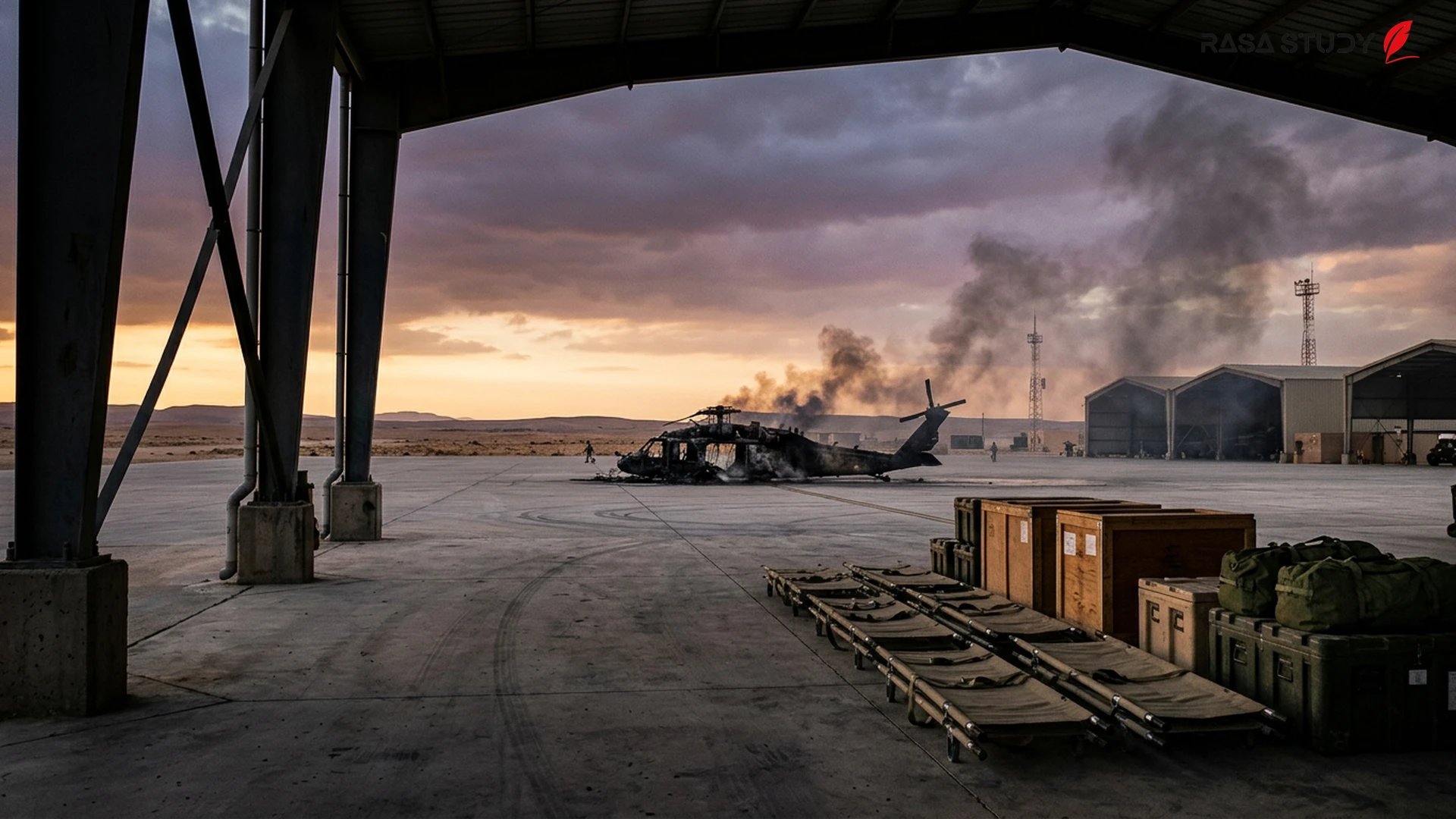
Military Readiness Alongside Diplomacy In another part of his speech, Qalibaf pointed to internal contradictions within the US government, claiming that senior Washington officials, including Marco Rubio and JD Vance, hold different positions regarding the implementation of agreements [1]. Stating that diplomacy is Iran's first choice, he warned: "We negotiate to achieve our goals, but if the language of logic and the text of the agreement are not effective, we are ready for war and will respond with power" [3]. He also described Iran's missile capability and defensive power as non-negotiable, calling it the main support for the negotiating table [2].
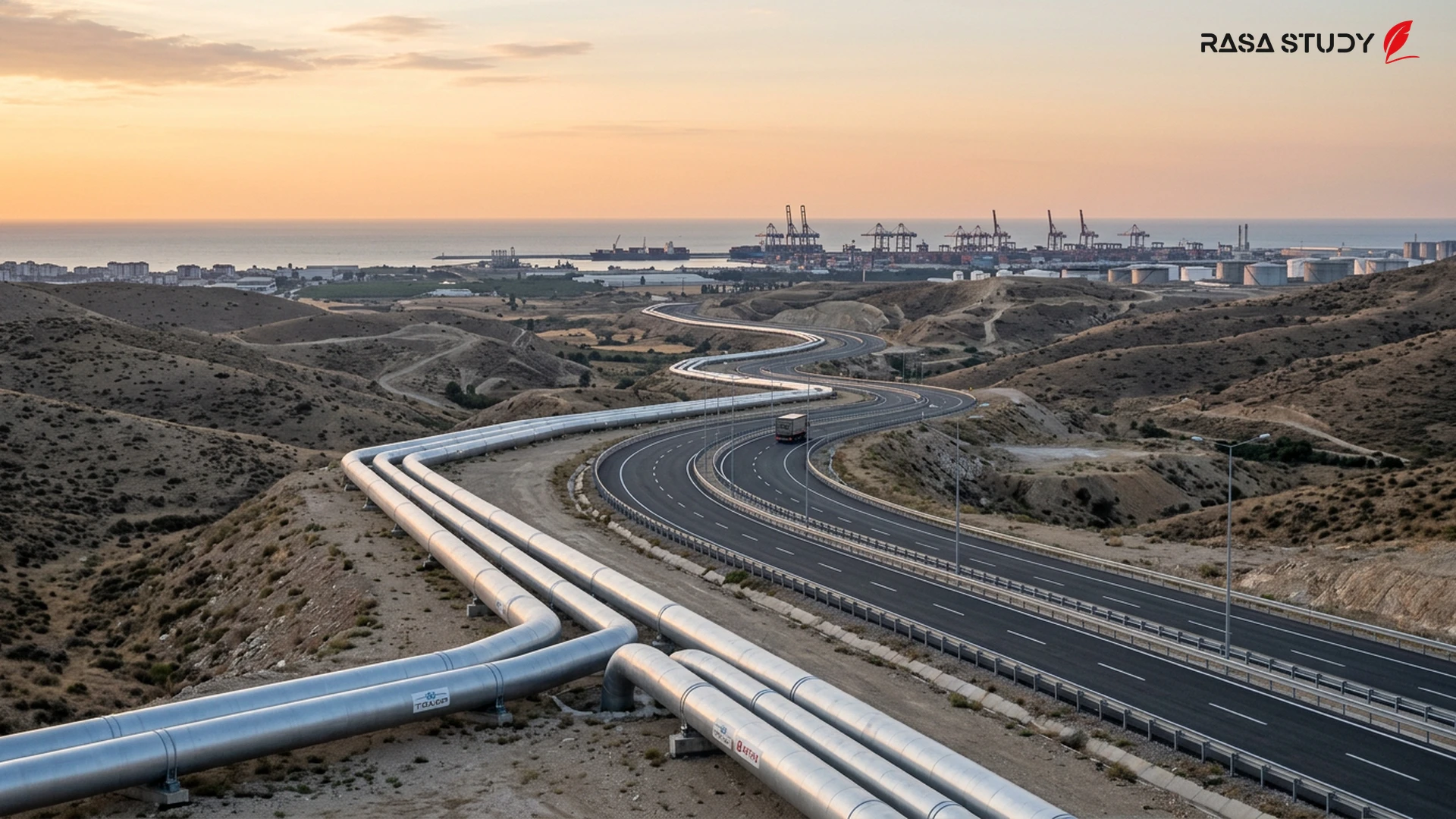
Sovereignty over the Strait of Hormuz and Response to US Claims Regarding the strategic status of the Strait of Hormuz, the Speaker of the Iranian Parliament emphasized that this waterway is part of Iran's territorial waters and Tehran will not allow the US to create controversy by claiming Iranian militarization in this region [2]. He added that Iran and Oman have reached an agreement on legal issues and maritime services, and the temporary exemptions considered for ship traffic were only for a 60-day period and at the request of regional countries [1][3]. Qalibaf concluded by noting that Iran will never retreat from its sovereign positions in this vital region.
Mohammad Bagher Qalibaf, Speaker of the Islamic Consultative Assembly, called uranium enrichment a guarantor of national security and Iran's non-negotiable right.
linkSources
- تا اجرای ۵ بند نخست تفاهم وارد مراحل بعدی نمیشویم / آماده جنگ هم هستیم — Tabnak (2026-06-30)
- Nuclear Enrichment an Inalienable Right; Missile Power Non-Negotiable — WANA News (2026-07-01)
- İran Meclis Başkanı Galibaf: 'Uranyum zenginleştirme meşru ve vazgeçilmez hakkımızdır' — Yeni Mesaj (2026-07-01)