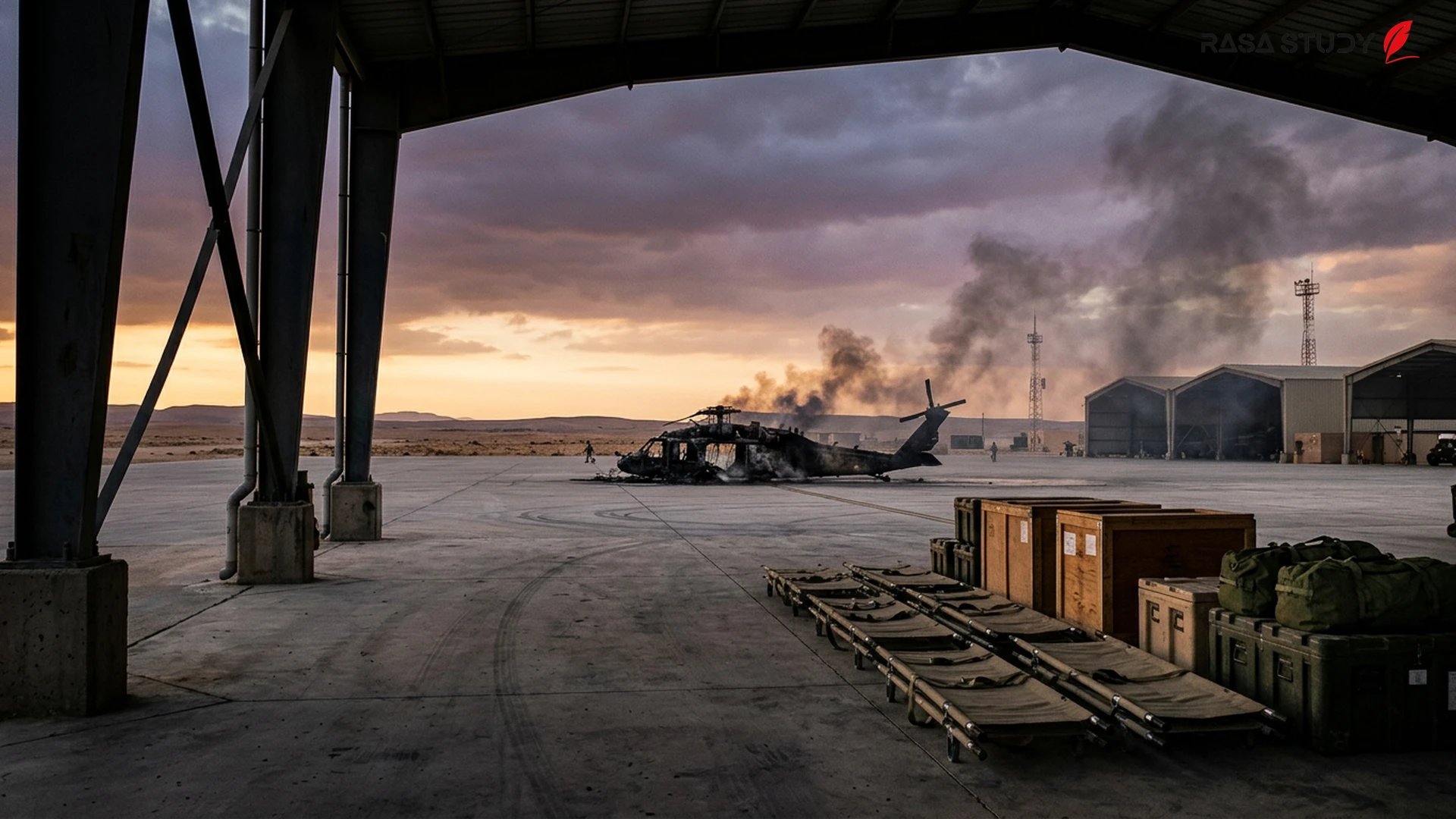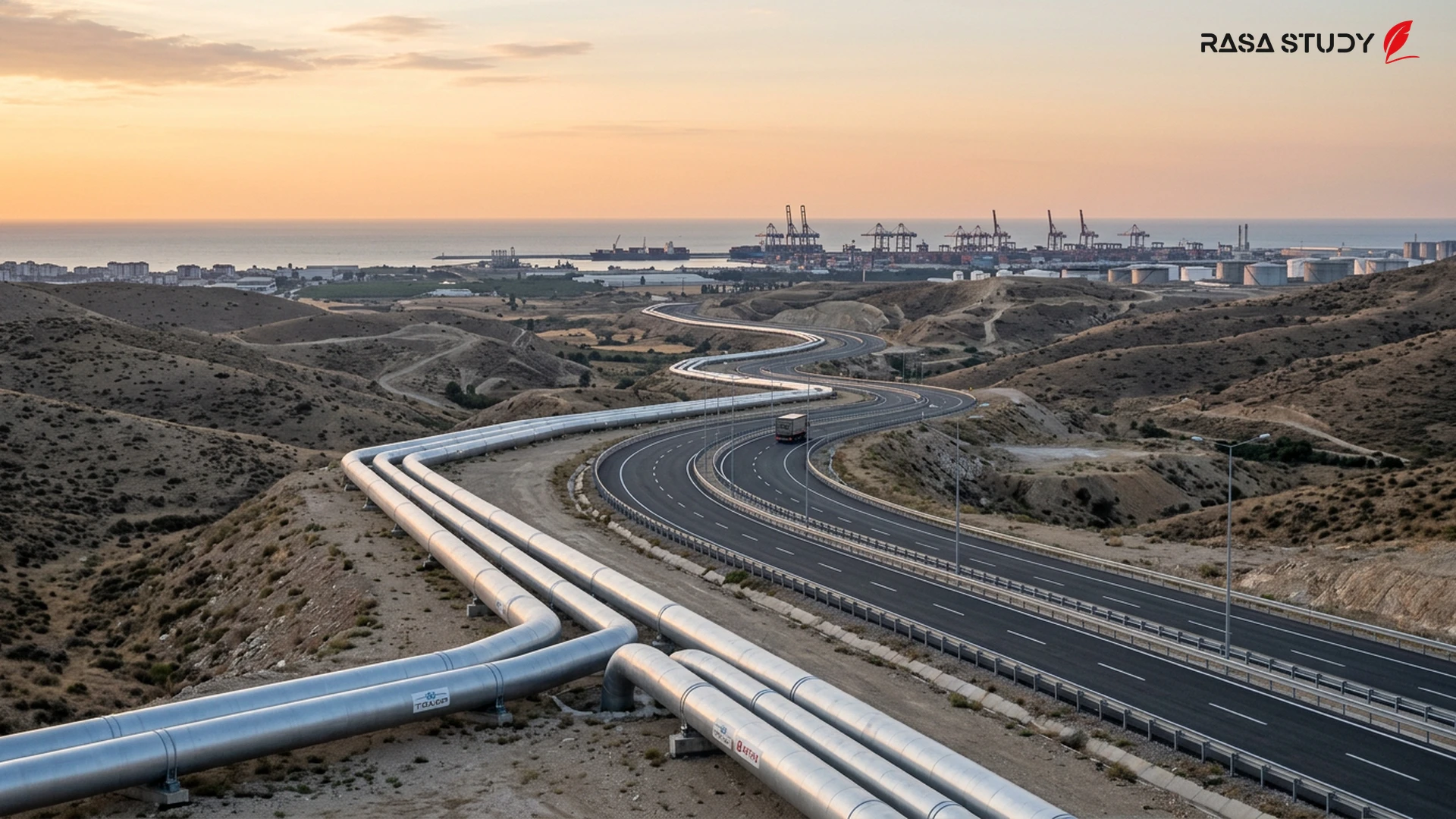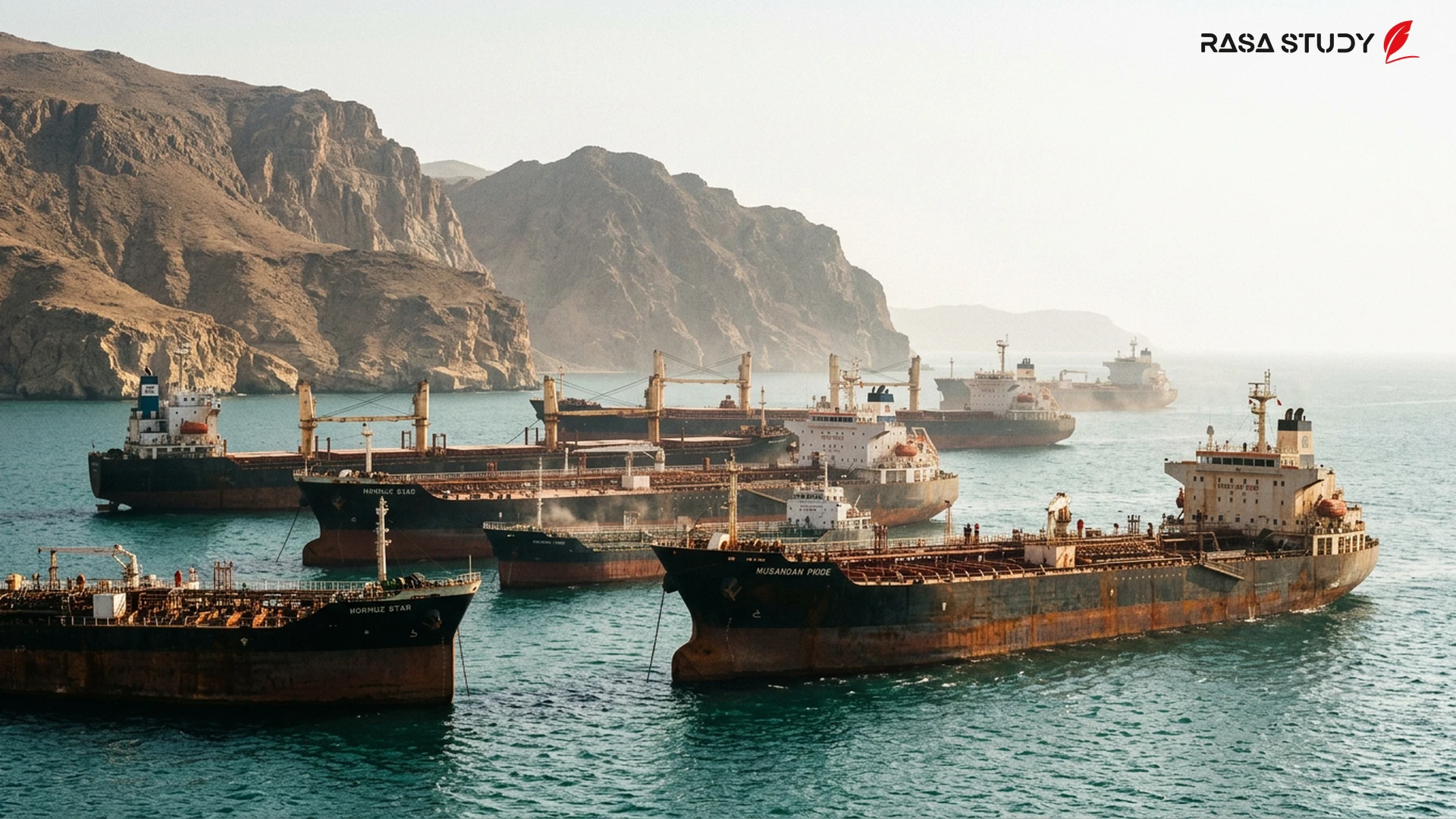
Recent reports from the Financial Times (FT) indicate that the prolonged crisis in the Strait of Hormuz has created a supply shock, leading to a sudden surge in precautionary demand and an unprecedented intensification of commodity scarcity in international markets.
Today, June 26, 2026, as the world grapples with the heavy consequences of military tensions in the Persian Gulf, new economic analyses have revealed darker dimensions of this crisis. The Financial Times reported in an analytical piece that the blockage and disruption of vessel traffic through the Strait of Hormuz have not only caused energy prices to jump but have also drastically altered consumer behavior patterns [1].
Demand Shock and Fear of the Future Contrary to initial forecasts that expected price increases to lead to a decrease in demand, we have witnessed a reverse phenomenon in some sectors. Reports indicate that fear of the crisis continuing has driven consumers and major industries toward panic buying and stockpiling goods. For instance, despite a 15% increase in airfare prices compared to last year, demand for air travel remains high, putting additional pressure on limited jet fuel reserves [3]. This "panic-driven demand" has itself become a factor in exacerbating inflation in global markets.
Commodity Scarcity: From Fuel to the Dinner Table The Hormuz crisis was not limited to oil and gas. The Strait of Hormuz is the transit route for 20% of the world's Liquefied Natural Gas (LNG) and a large portion of global petrochemical products. The blockage of this route has caused serious disruptions in the supply chain of agricultural raw materials, particularly chemical fertilizers. Countries like India, which are heavily dependent on fertilizer imports from the Persian Gulf region, now face the risk of reduced agricultural production and rising food prices [4]. This situation has turned the concept of "scarcity" from a theoretical economic discussion into a tangible reality in the daily lives of millions.
The Role of Regional Media and the Difficulty of Normalization Media outlets such as "Yakın Doğu Haber," echoing Financial Times reports, emphasize that even with recent agreements for the gradual reopening of the route, returning to the pre-crisis state will take months [2]. Damaged infrastructure, stranded ships in ports, and the depletion of strategic reserves are all obstacles preventing the market from quickly reaching equilibrium. According to expert estimates, full normalization of maritime traffic in this region may take until early 2027 [1].
Ultimately, the June 2026 crisis demonstrated that the world's dependence on this strategic bottleneck is beyond previous estimations, and any disruption can spread a wave of economic insecurity from East Asia to the heart of Europe and America.
The Strait of Hormuz in June 2026; the epicenter of the energy crisis and global trade disruption
linkSources
- What fingerprints the Iran war has left on the world's energy markets — Financial Times (2026-06-16)
- Hürmüz Boğazı'nda tansiyon yeniden yükseldi! Devrim Muhafızları durdurdu — Star Gazetesi (2026-06-26)
- The reopening of the Strait of Hormuz has restored the flow of oil — Modern Diplomacy (2026-06-26)
- India's economy exposed to fuel and fertilizer supply disruptions — IFPRI (2026-06-25)