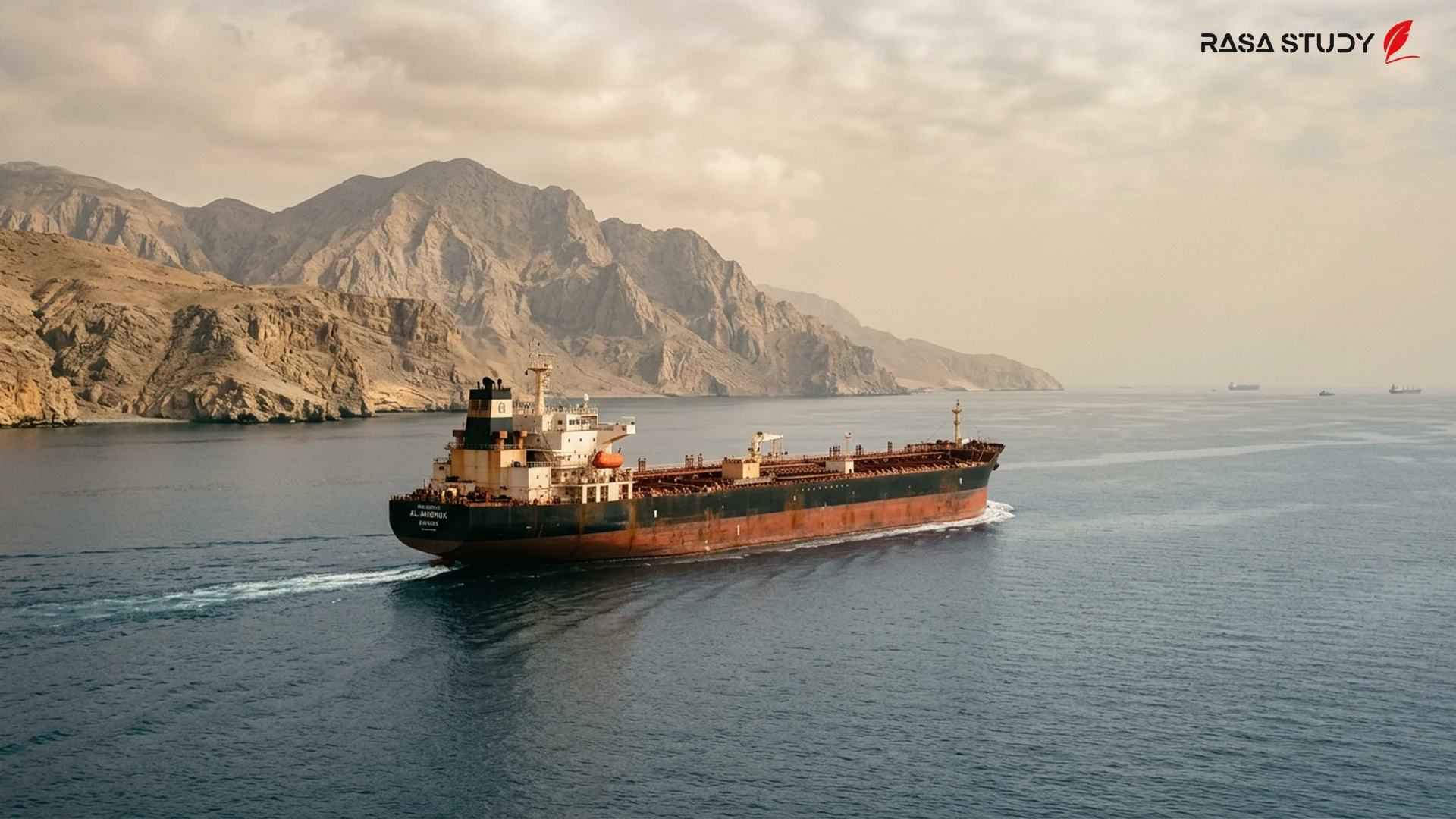
On the eve of sensitive peace negotiations in Qatar, the Strait of Hormuz is witnessing an unprecedented decline in maritime traffic. Although signs of improvement have appeared in recent days, this strategic waterway is still far from its peak days.
Worrying Traffic Statistics in the Vital Energy Artery
According to new data published by the newspaper "Istanbul Ticaret Gazetesi" and analyses by the data processing company Kpler, commercial ship traffic in the Strait of Hormuz has remained at a very low level over the past 24 hours [1]. While an average of 130 ships passed through this route daily before the start of military conflicts in February 2026, this figure has now dropped to about 40 to 50 ships per day. This 70% decline reflects the depth of security concerns and the caution of international shipping companies on the threshold of new political developments.
Field reports show that only 25 commercial ships passed through this waterway in the last 24 hours, including tankers and bulk carriers [1]. Although this figure represents a relative improvement compared to the critical days of last month when traffic reached almost zero, it still remains a significant distance from returning to normal status.
Doha Negotiations and the Heavy Shadow of Diplomatic Tensions
This maritime stagnation is reported as diplomatic delegations from the United States and Iran headed to Doha today, June 30, 2026, to save the memorandum of understanding signed in mid-June [3]. The goal of these technical talks is to stabilize a fragile ceasefire and create a mechanism for the full reopening of trade routes. However, recent statements by senior Iranian officials have affected the atmosphere of the negotiations.
Kazem Gharibabadi, Iran's Deputy Foreign Minister, emphasized in an interview with state television that Tehran is determined to exercise control over maritime traffic in the Strait of Hormuz [2]. Iran is seeking an agreement with Oman for joint monitoring of this waterway and has warned that the involvement of other countries in this matter would be unacceptable. This stance has increased pressure on the Qatar negotiations and kept insurance companies on high alert.
Dispute Over Waterway Management and Maritime Security
One of the main points of contention in the ongoing negotiations is the management of the Strait of Hormuz. While Iran emphasizes its right to monitor and even impose maritime service tariffs, Oman and its international partners, including France, insist on the principle of "unconditional freedom of navigation" [2]. Sultan Haitham bin Tariq, in his recent meeting with Emmanuel Macron in Paris, once again emphasized the necessity of complying with international laws of the sea.
This conflict of interest has caused many ship owners to continue preferring longer and more expensive routes, such as bypassing the Cape of Good Hope. War insurance rates for crossing the Persian Gulf remain at unprecedented levels, and maritime traffic is not expected to return to normal until definitive security guarantees are obtained from the Doha negotiations [3].
Economic Consequences for Global Markets
The Strait of Hormuz is the passage for about 20% of the world's consumed oil and Liquefied Natural Gas (LNG). Long-term disruption in this route has posed a serious challenge to the energy supply chain in Europe and Asia. Although traffic grew by 54% in the past week compared to previous weeks, reaching a record of 76 ships in one day (June 24), recent fluctuations show that the market remains highly sensitive to political news [1].
Analysts believe that the success of the Doha negotiations on June 30 could be the key to returning stability to global markets. Otherwise, the continuation of low traffic and high transportation costs will keep energy prices at high levels in the second half of 2026.
Ship traffic in the Strait of Hormuz remains limited due to security concerns and awaiting the results of the Doha peace talks.
linkSources
- Barış görüşmesi öncesi son durum! Hürmüz Boğazı’nda gemi trafiği düşük seviyede kaldı — İstanbul Ticaret Gazetesi (2026-06-30)
- Traffic through the Strait of Hormuz picked up for the first time since Iran's recent attacks — gCaptain / Bloomberg (2026-06-30)
- Oman Clarifies its Stance on Hormuz as Talks with Iran Widen — The Maritime Executive (2026-06-30)


