In June 2026, the Iranian government took final steps toward implementing a new economic system inspired by the Turkish model, aiming to restructure the financial framework and strengthen non-oil exports to overcome chronic currency challenges.
Tehran's Strategic Shift Toward Ankara's Pattern
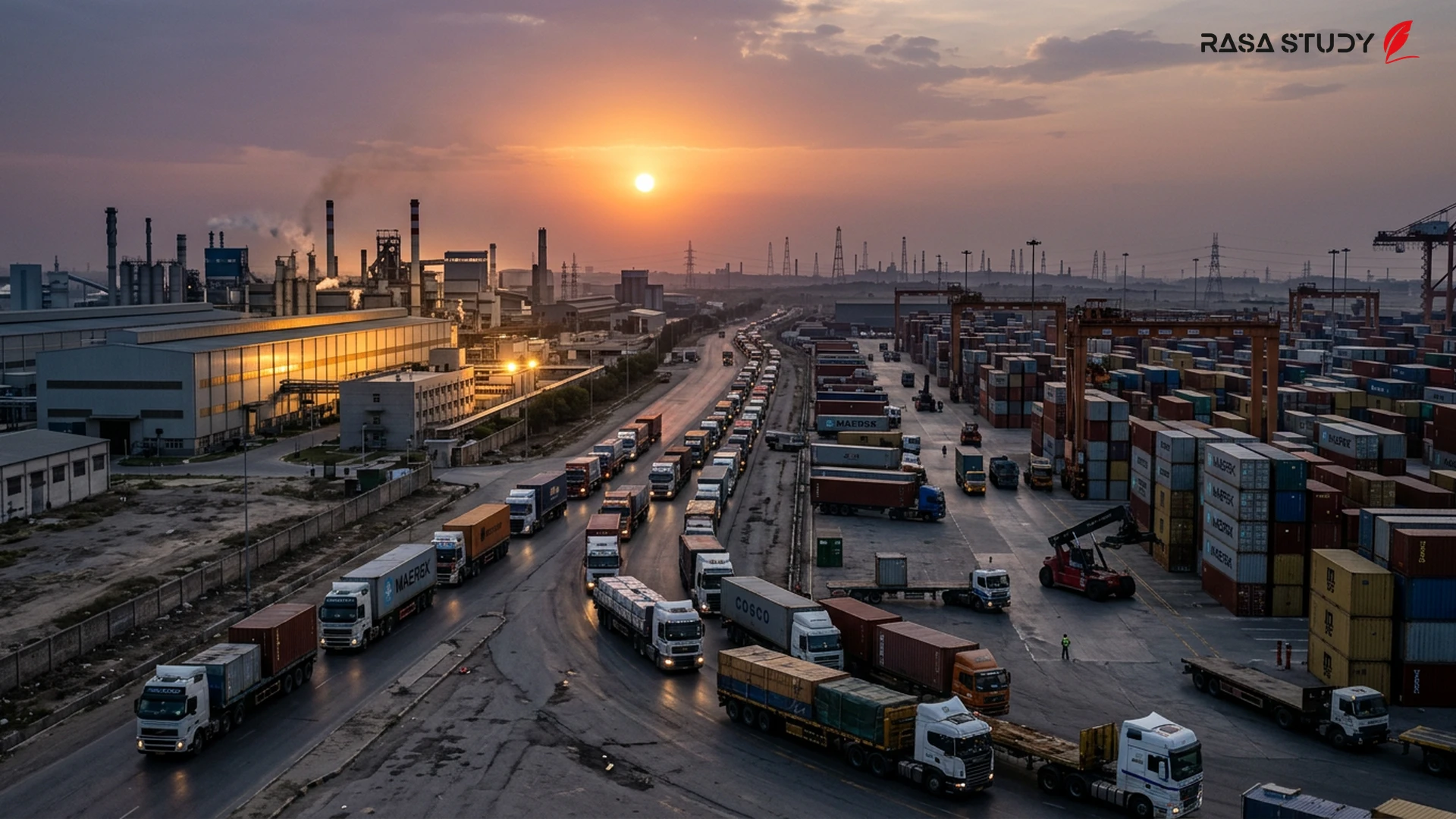
As the first half of 2026 comes to a close, reports from reputable economic sources, including the newspaper "Ekonomim," indicate that high-ranking Iranian economic officials are seriously localizing Turkey's export-oriented development model [1]. This decision, made after months of expert consultations, represents a paradigm shift in the country's trade and currency management. Iran intends to minimize its dependence on oil revenues by emulating Turkey's success in attracting foreign investment and developing manufacturing industries.
Details of the New Currency and Export System
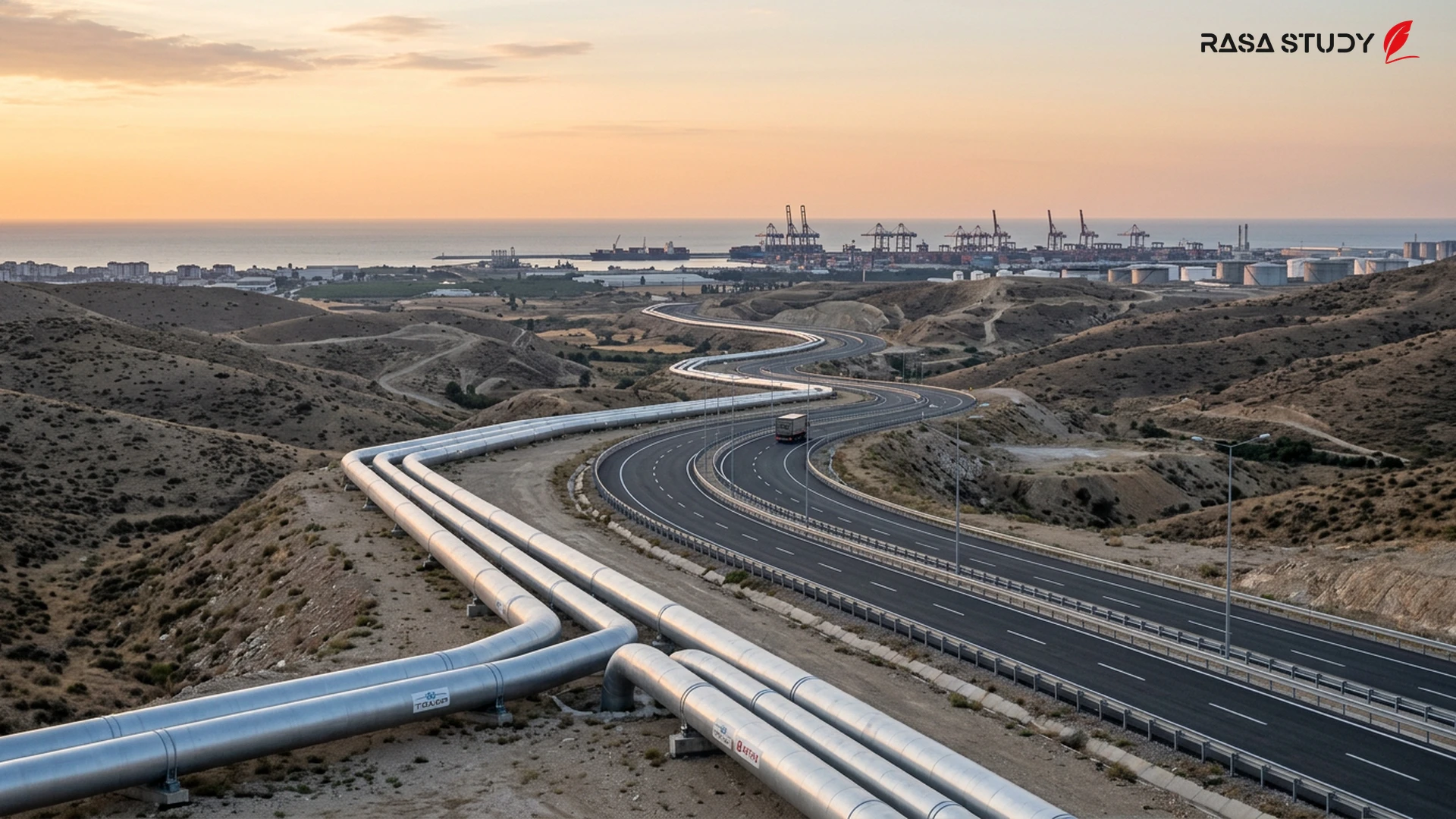
The core of this new system is the unification of the exchange rate and the creation of direct incentives for exporters. According to reports published in June 2026, the Central Bank of Iran is designing a mechanism that, similar to the "New Economic Model" of Turkey, places interest rates and monetary policies at the service of production and exports [2]. The plan includes reducing bureaucracy in customs and establishing joint free trade zones with neighboring countries, directly modeled after the successful experience of Turkish industrial zones.
Role of the Private Sector and Joint Ventures
A key pillar of this transformation is increasing the role of the private sector in international interactions. In recent weeks, numerous meetings have been held between the chambers of commerce of Tehran and Ankara to provide the necessary infrastructure for technology transfer and supply chain management [3]. Experts believe that implementing this model could control inflation in the medium term and restore stability to the capital market, provided that structural reforms in the banking system proceed simultaneously.
Challenges and Outlook in 2026
Despite the optimism, critics believe that structural differences in the political economies of Iran and Turkey, including sanctions pressures, may make the implementation of this model difficult. However, the current Iranian government emphasizes that the Turkish model, due to cultural and geographical similarities, is the best option for breaking the current deadlock [1]. It is expected that by the end of the third quarter of 2026, the first operational results of this system change will appear in the country's export statistics.
Economic cooperation between Iran and Turkey has entered a new phase of structural reforms in 2026.
linkSources
- İran, Türk modeliyle yeni sistem hazırlığında! — Ekonomim (2024-11-12)
- Iran and Turkey: Strengthening Economic Ties in 2026 — TRT World (2026-06-15)
- گزارش تحلیلی از اصلاحات ارزی ایران بر پایه مدلهای منطقهای — IRNA (2026-06-28)