The Ambassador of the Islamic Republic of Iran to Germany, in a message marking the anniversary of the Sardasht chemical bombing, stated that the world's historical memory will never forget the role of countries providing technology and equipment for this war crime, in addition to the direct perpetrators.
Sardasht: A Wound Still Fresh After 39 Years On June 28, 2026, Iran commemorated the 39th anniversary of one of the most horrific war crimes of the 20th century. The chemical bombing of the city of Sardasht on June 28, 1987, is a black stain on the forehead of human rights claimants, with its destructive effects on the bodies and souls of survivors remaining decades later. Majid Nili, the Ambassador of the Islamic Republic of Iran to Germany, published a message on the X social network, emphasizing that Sardasht was the first city in the world to be targeted by a massive chemical attack after World War II [1][3].
International Responsibility and the Role of Western Countries In his message, the Iranian Ambassador in Berlin clearly stated that history does not hold only the direct perpetrators responsible. He noted that the role of countries that facilitated this tragedy by providing technology, equipment, and chemical raw materials to the Iraqi Ba'ath regime is recorded in the historical memory of the Iranian nation [1]. In this regard, senior Iranian diplomatic officials, including Kazem Gharibabadi, Deputy Foreign Minister for Legal Affairs, have explicitly named countries such as Germany, the United States, the United Kingdom, and the Netherlands as the main suppliers of Saddam's chemical weapons who remained silent at the time [2].
Legal Pursuit and Double Standards Abbas Araghchi, Iran's Minister of Foreign Affairs, also described Sardasht as a "living document" of the Iranian nation's victimization and international double standards in a separate message for this anniversary [4]. He emphasized that the legal pursuit to prosecute the perpetrators and supporters of this attack will not be subject to the statute of limitations. As the largest victim of chemical weapons in contemporary history, Iran is now the flagship of the struggle against weapons of mass destruction in the world and demands justice for more than 8,000 chemical victims of this incident who are still struggling with the complications of mustard gas [2][5].
Necessity of Awakening the Global Conscience The message from the Iranian Ambassador to Germany comes at a time when regional tensions have once again sparked debates about the use of force against civilians. Iranian diplomats believe that the international community's silence in 1987 regarding Sardasht was a green light for the repetition of similar crimes in subsequent decades. Now, in 2026, Iran once again emphasizes the need for moral and legal accountability from governments that, by exporting toxic materials to the former Iraqi dictator, were accomplices in the martyrdom of 110 civilians and the poisoning of thousands of others in Sardasht [1][4].
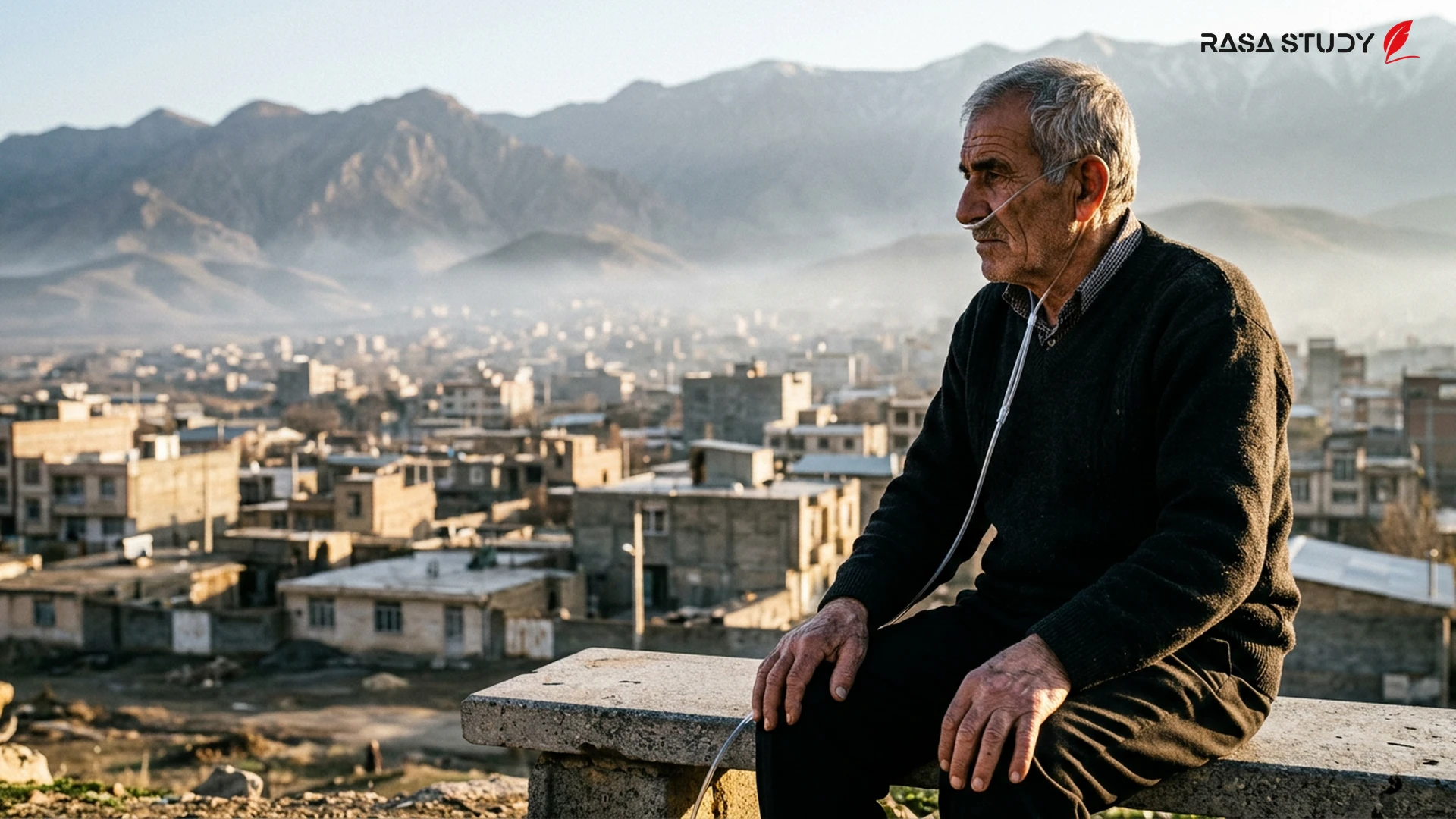
Sardasht; the first city in the world to fall victim to chemical weapons after World War II, still seeking justice.
linkSources
- سفیر ایران در آلمان: تاریخ عاملان و حامیان جنایت شیمیایی سردشت را فراموش نمیکند — ایرنا (IRNA) (2026-06-28)
- Iran vows to pursue accountability for perpetrators of Sardasht chemical attack — IRNA English (2026-06-28)
- Iran Marks 39 Years Since Sardasht Chemical Attack — کیهان (Kayhan) (2026-06-27)
- Sardasht Chemical Attack Anniversary Reminder of Iran's Enduring Resistance — تسنیم (Tasnim) (2026-06-28)


