Following reports of a potential meeting between Iranian and US officials on Pakistani soil on July 11, 2026, Tehran issued an urgent statement rejecting these claims and emphasizing its unchanging stance against Washington's pressure.
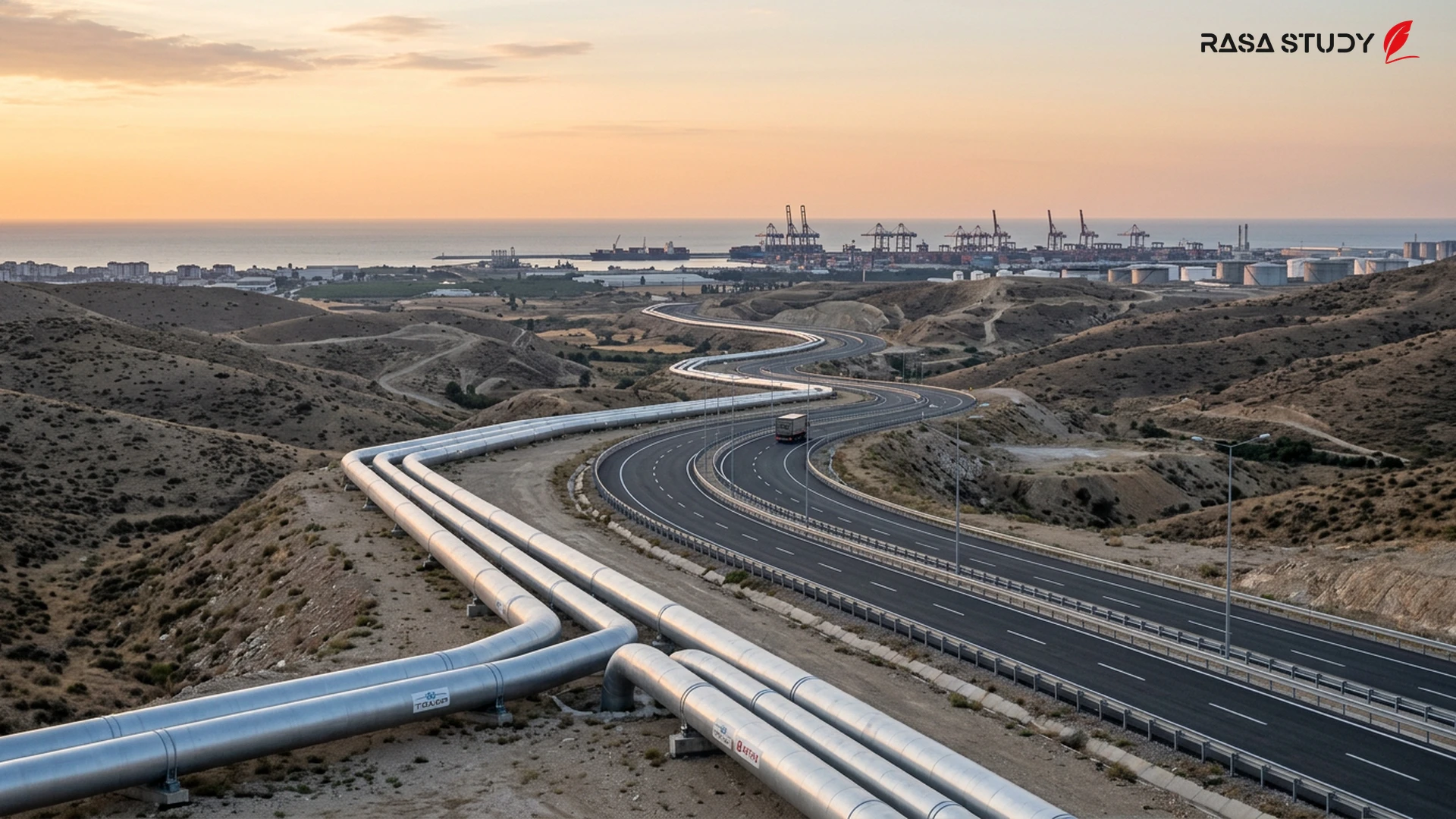
News Controversy in Turkish and Arabic Media Today, July 11, 2026, numerous reports emerged in regional media, including Turkey's "Halk TV" and Saudi Arabia's "Al Arabiya," claiming that technical and diplomatic teams from Iran and the United States were scheduled to meet in Islamabad, the capital of Pakistan [1][2]. These reports suggested the meeting aimed to revive the June memorandum of understanding and discuss lifting sanctions in exchange for de-escalation in the Strait of Hormuz. However, the political atmosphere in the region, fueled by recent conflicts in the Persian Gulf, had cast doubt on the possibility of such a meeting from the outset.
Foreign Ministry's Explicit Response: "We Will Not Surrender" Iranian Foreign Ministry spokesperson, Esmaeil Baghaei, in a swift reaction described by Turkish media as a "jet response," strongly denied any request for negotiations with Washington [3]. Baghaei emphasized that the Islamic Republic of Iran has sent no request for talks with the American side and that Tehran's policy is based on "commitment for commitment." He also warned that any breach of promise by the United States would be met with a decisive and reciprocal response from Iran. This stance, alongside recent statements from high-ranking Iranian officials declaring that "the enemy will only see our surrender in their dreams," indicates a serious deadlock on the path of direct diplomacy [4].
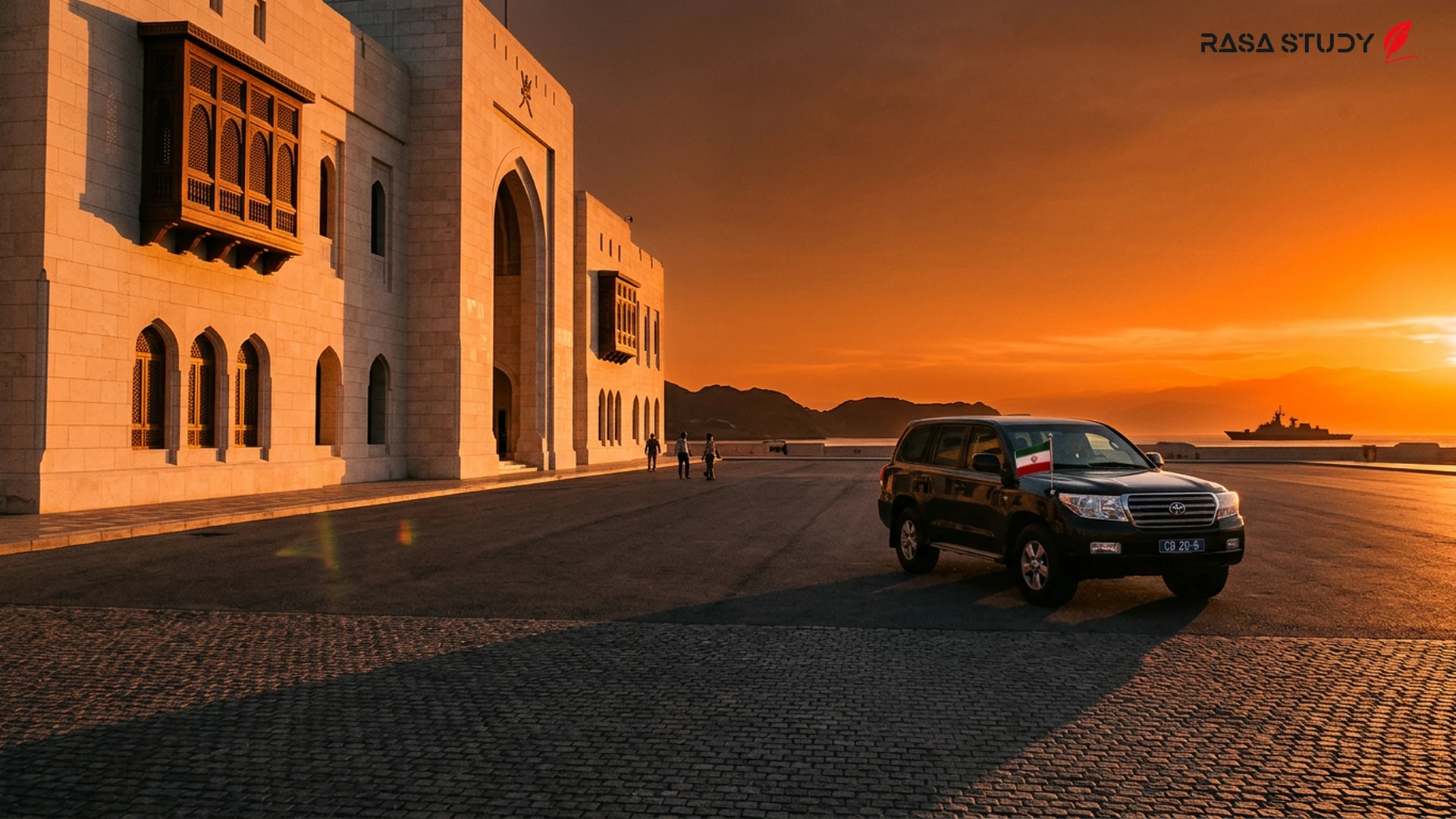
Pakistan and Oman; Mediation Amidst the Fire While rumors regarding Pakistan have been denied, credible reports indicate that Iranian Foreign Minister Abbas Araghchi is in Muscat, the capital of Oman, today to discuss maritime security in the Strait of Hormuz with Omani officials [4]. Pakistan, which played a key role in facilitating the "Islamabad Memorandum of Understanding" in recent months, now finds itself amidst escalating tensions. US President Donald Trump announced yesterday that although he agreed to continue talks, in his view, "the ceasefire is over" [4][5]. These contradictory statements have placed the mediation efforts of Islamabad and Doha to prevent a full-scale war in the region under unprecedented difficulty.
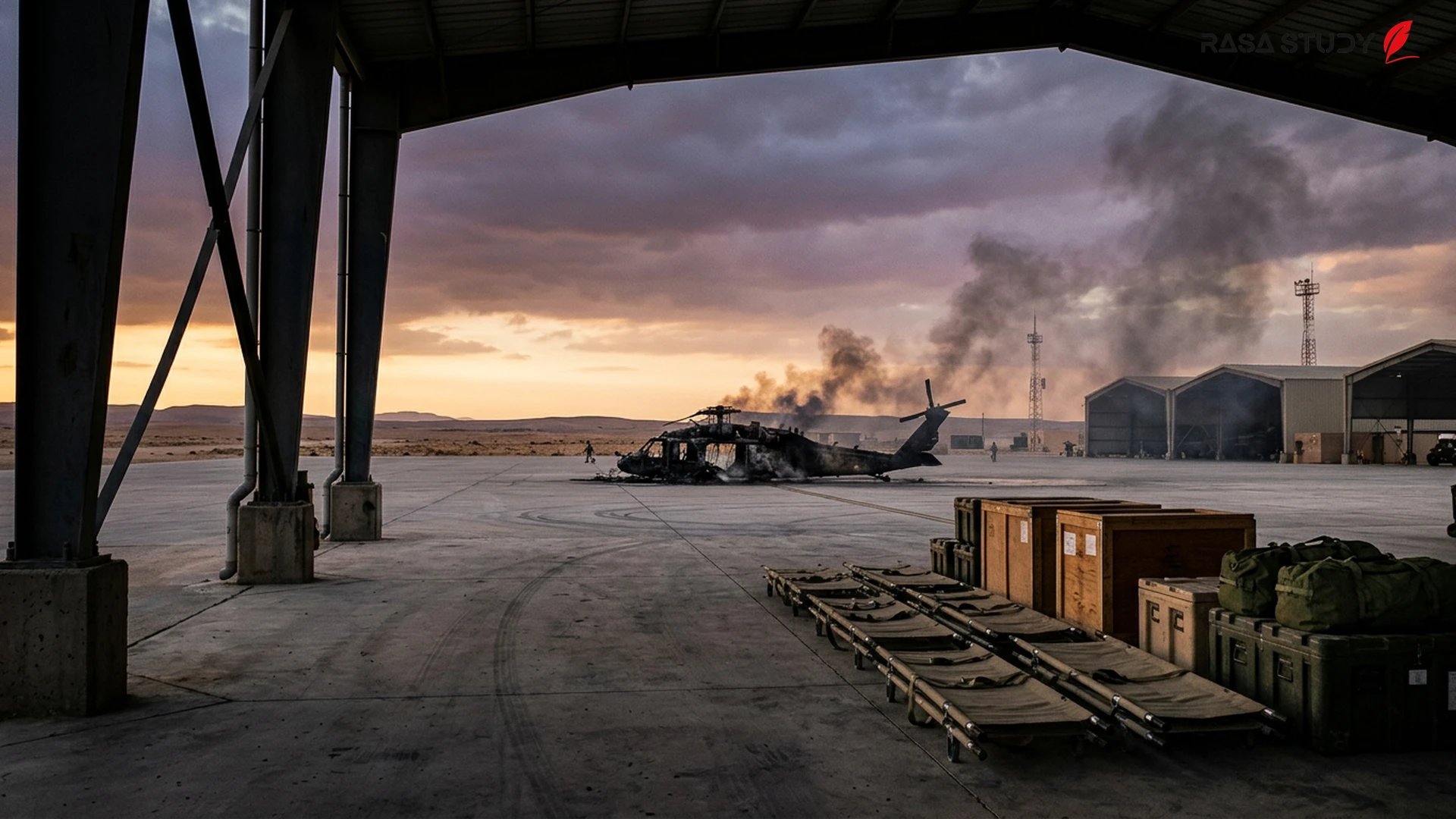
Critical Status of the June Memorandum Current tensions have reached their peak just one month after the signing of the initial memorandum between Tehran and Washington. Recent attacks on commercial vessels in the Strait of Hormuz and retaliatory US airstrikes on positions in southern Iran have effectively sidelined the initial agreements [5]. While international media reported the possibility of technical meetings in Pakistan, field realities and Tehran's official positions show that until Washington fulfills its commitments regarding the lifting of sanctions and the cessation of military threats, no official meeting at the diplomatic level will take place.
Rumors of a diplomatic meeting in Islamabad met with a sharp and negative reaction from Tehran officials.
linkSources
- ABD-İran Pakistan'da görüşecek iddiasına Tahran'dan jet yanıt — Halk TV (2026-07-11)
- İran ve ABD arasındaki müzakerelerin 11 Temmuz'da Pakistan'da devam edeceği iddia edildi — Anadolu Ajansı (2026-07-04)
- Iran denies requesting US talks, warns of 'reciprocal' response — Yeni Şafak (2026-07-10)
- Trump says U.S. has agreed to continue talks with Iran, but ceasefire 'over' — CBS News (2026-07-11)
- Pakistan, other mediators race to salvage US-Iran peace deal — Arab News (2026-07-10)