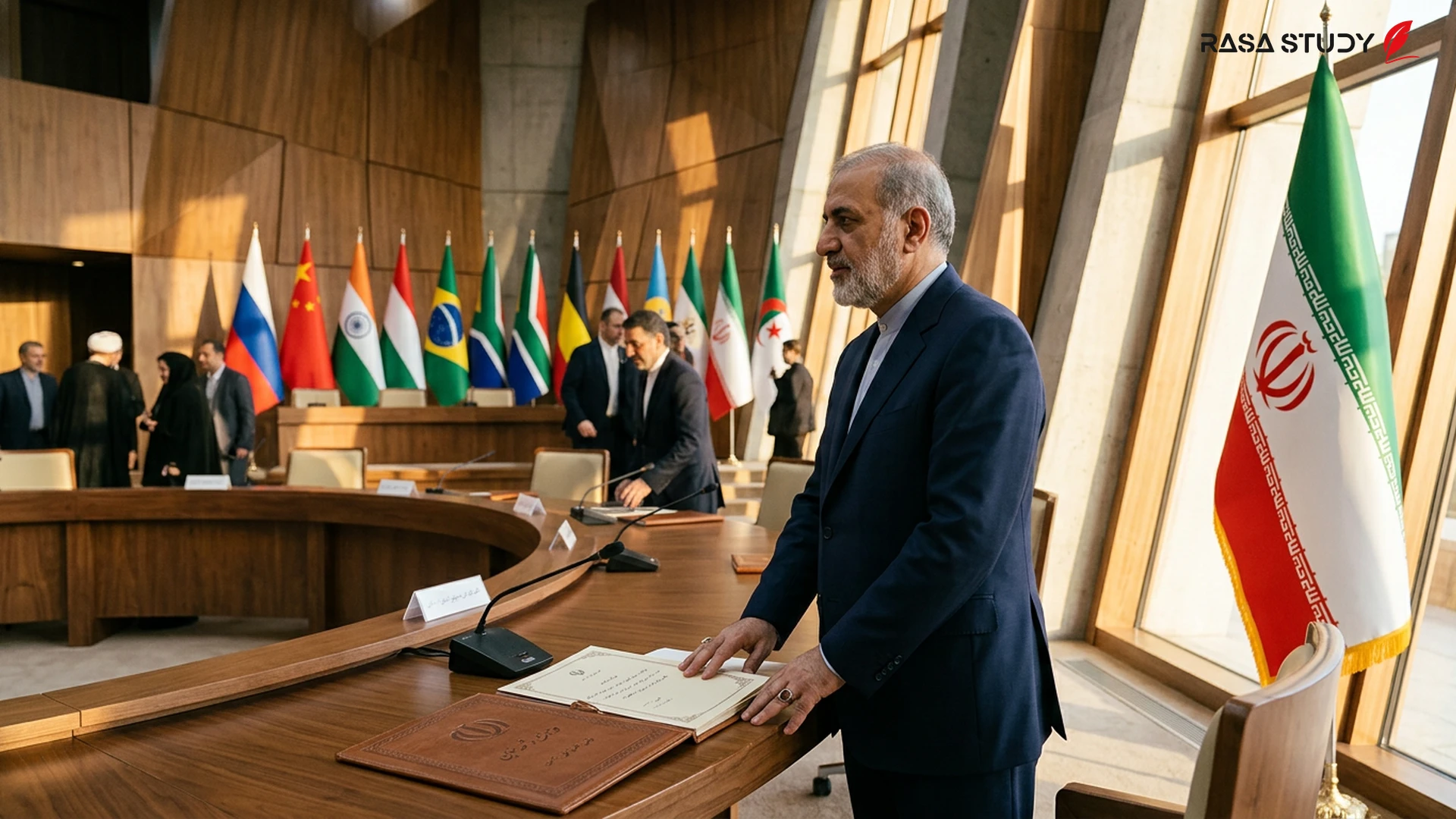
Senior officials of the Islamic Republic of Iran have declared in a firm statement that the era of imposing unilateral international agreements has passed, stating that Tehran will henceforth only engage in negotiations based on mutual interests and a multipolar order.
A New Development in Iran's Diplomacy Doctrine
On July 12, 2026, the Iranian government released an official statement that has been widely reflected in regional media, including the newspaper "Yeni Şafak." The statement declared that the global order has moved toward multilateralism and the era of unilateral agreements has ended [1]. This stance represents a strategic shift in Tehran's foreign policy, indicating that diplomatic pressure to accept unfair treaties will no longer be effective.
This statement comes at a time when global geopolitical tensions have pushed emerging powers toward creating new economic and political blocs. Iran emphasized that any future agreement must guarantee the national interests of all parties, and old models where a major power dictated terms no longer hold executive validity [2].
Transition to a Multipolar Order and Strategic Alliances
Analysts believe these new remarks from Iran are a direct response to changes in the global balance of power. By strengthening its presence in organizations such as BRICS and the Shanghai Cooperation Organization, Tehran now sees itself in a position to resist traditional Western pressures. According to published reports, this new approach will be applied not only in political spheres but also in trade and energy contracts [3].
In its analysis, the newspaper Yeni Şafak noted that this statement could deeply affect the process of nuclear negotiations and security agreements in the Middle East. Iran has explicitly stated that "the era of dictating wills is over" and that the country will only return to the negotiating table within the framework of mutual respect and legal equality [1].
Regional Implications and International Reactions
Iran's announcement of the end of the era of unilateral agreements has sparked various reactions in world capitals. While Iran's regional allies view this approach as a step toward greater political independence, some Western powers have expressed concern that the path of diplomacy may become more difficult [2].
Ultimately, this new stance reflects Tehran's growing confidence in managing international files. Given the developments of 2026, it appears Iran intends to play a more active role in redefining international rules and will refuse to accept any agreement that limits its domestic capabilities [3]. This strategy could lead to the formation of new South-South cooperation patterns and reduce dependence on Western financial and political structures.
In 2026, Iran emphasized changing its foreign policy doctrine and moving beyond unilateralism.
linkSources
- İran'dan yeni açıklama: Tek taraflı anlaşmalar dönemi sona erdi — Yeni Şafak (2026-07-11)
- Tehran signals shift in foreign policy towards multilateralism — Tehran Times (2026-07-12)
- Iran's New Diplomatic Doctrine: The End of Unilateralism — Al Jazeera (2026-07-12)