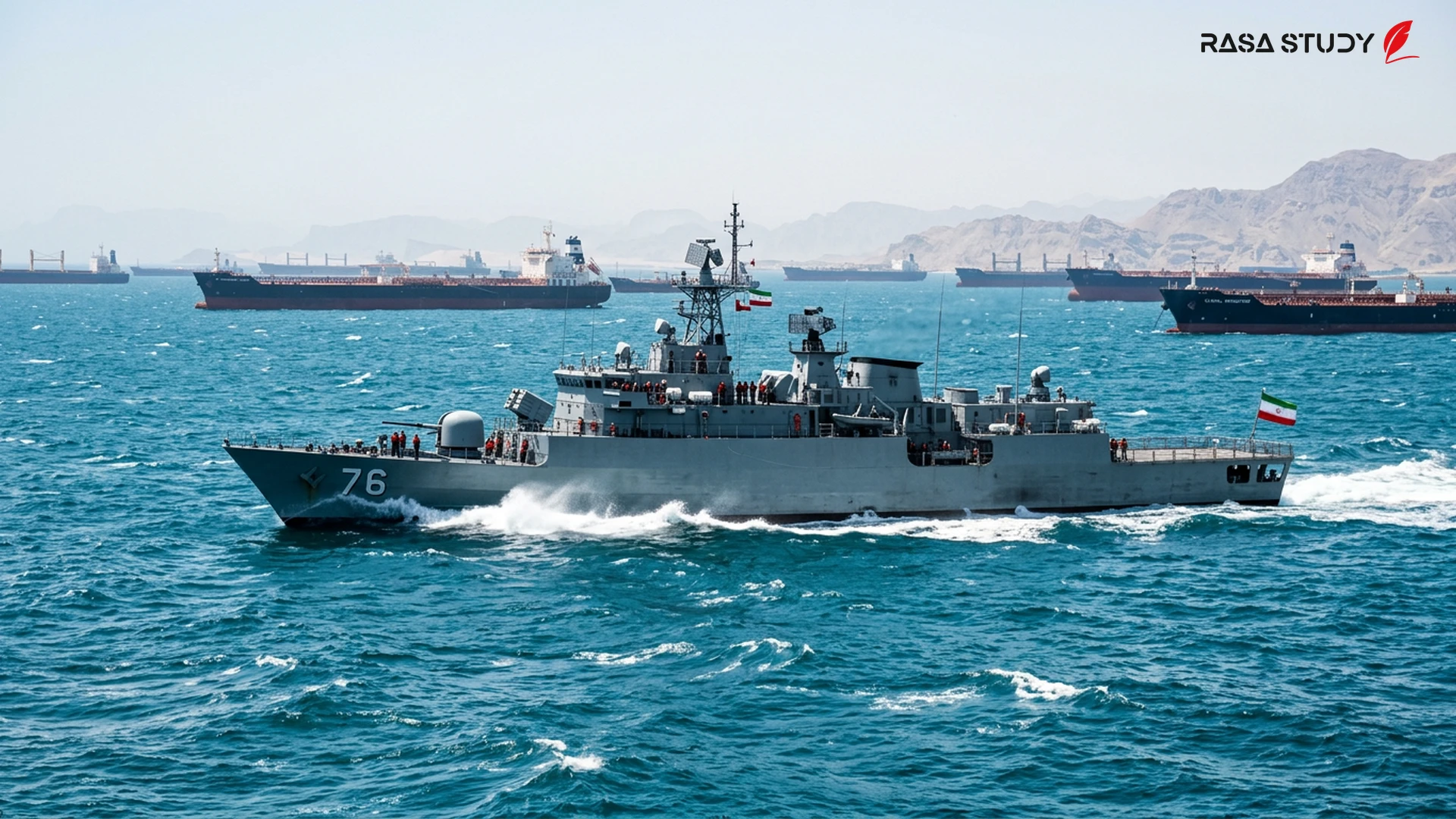
Following claims by the German Foreign Minister regarding the “illegal mining” of the Strait of Hormuz by Tehran, the Iranian Foreign Ministry spokesperson reacted strongly, accusing Berlin of distorting reality and participating in military aggression against the Iranian nation.
Foreign Ministry Spokesperson's Verbal Attack on Berlin
Esmaeil Baghaei, the spokesperson for the Iranian Ministry of Foreign Affairs, in response to recent remarks by German Foreign Minister Johann Wadephul, described these words as “shameful” and an “ugly distortion of reality” [1]. In a message published on the X social network, Baghaei compared the German Foreign Minister's rhetoric to the character “Mephistopheles” in Goethe's play Faust, who symbolizes deception and inversion of truth [4][6]. He emphasized that instead of accusing others, Germany must be held accountable for its complicity in military aggression and war crimes against the Iranian people and pay reparations for its illegal actions [1][5].
Dispute Over Demining and Security Costs
This tension escalated after Johann Wadephul claimed in an interview with the newspaper “Handelsblatt” that Iran had illegally mined the Strait of Hormuz [2]. The German Foreign Minister proposed the formation of an international operation to clear this strategic waterway and emphasized that the costs of this operation should be covered by Tehran [7]. He stated that Germany is ready to participate in this mission, provided that a clear legal and political framework is defined for it [2]. These statements have been interpreted by Tehran as an attempt to evade international responsibilities and interfere in regional affairs.
Strait of Hormuz; Leverage in the 2026 Peace Negotiations
The current situation in the Strait of Hormuz is rooted in developments following the “Ramadan War,” which began on February 28 of last year [2]. While peace negotiations are underway in Doha and Switzerland to reach a lasting agreement between Iran and the United States, the issue of the right of passage in this waterway has become one of the main points of contention [3][4]. Iran recently announced that due to the high costs of providing security, search and rescue, and environmental protection, it intends to collect tolls from passing ships [2]. Western countries, including Germany, have opposed this plan and demanded a return to the pre-war status and free passage for ships [2][3].
Legal Foundations and Mutual Accusations
Legal experts in Tehran believe that Iran's actions in the Strait of Hormuz are justified based on the 1958 Geneva Conventions and the 1982 Law of the Sea [2]. They argue that a coastal state has the right to impose temporary restrictions under conditions of national security threats, and that freedom of navigation is not an absolute and unconditional right [2]. In contrast, Berlin and its allies claim that Iran has endangered global energy security by restricting passage routes and threatening military reaction against violating ships [4][7]. This diplomatic confrontation occurs while both sides insist on their positions, affecting the atmosphere of the peace negotiations [3].
The Strait of Hormuz has once again become a focal point of diplomatic tensions between Iran and European powers.
linkSources
- واکنش بقایی به اظهارات آلمان: شما باید به عنوان همدست در جنگ علیه ما محاکمه شوید! — اکوایران (2026-07-07)
- موضع طلبکارانه آلمان درباره مینزدایی در تنگه هرمز — خبرگزاری فارس (2026-07-06)
- Almanya'nın Hürmüz talebine İran'dan tokat gibi cevap — Milli Gazete (2026-07-07)
- Iran issues fresh warning to ships passing through Hormuz — Al Jazeera (2026-07-03)
- İran'dan Almanya'ya 'Hürmüz Boğazı' tepkisi — Anadolu Agency (2026-07-07)


