Following the recent joint statement by the United States and the Gulf Cooperation Council (GCC), the Chairman of the Iranian Parliament's National Security Commission has set new 'red lines,' warning regional countries about the consequences of continued US military presence and interference in Iran's sovereign affairs.
On June 26, 2026, Ebrahim Azizi, Chairman of the National Security and Foreign Policy Commission of the Islamic Consultative Assembly, redefined the Islamic Republic of Iran's positions on regional security and defense capabilities in a sharp reaction to the joint statement by the foreign ministers of the United States and the Gulf Cooperation Council (GCC) member states [1]. This warning comes as the region faces sensitive negotiations following the Islamabad Memorandum.
Establishing Red Lines: Missiles, Drones, and the Strait of Hormuz In his statement published on social media and official media outlets, Azizi explicitly declared that three key areas—'missile capability,' 'drone power,' and 'sovereign management of the Strait of Hormuz'—are Iran's non-negotiable red lines [2]. He emphasized that any attempt to include these items in diplomatic negotiations or to limit them through international statements is considered 'invalid' and 'interfering' by Tehran [3]. This reaction directly refers to the recent meeting in Bahrain where US Secretary of State Marco Rubio and his Arab counterparts emphasized the need to counter Iranian missile threats.
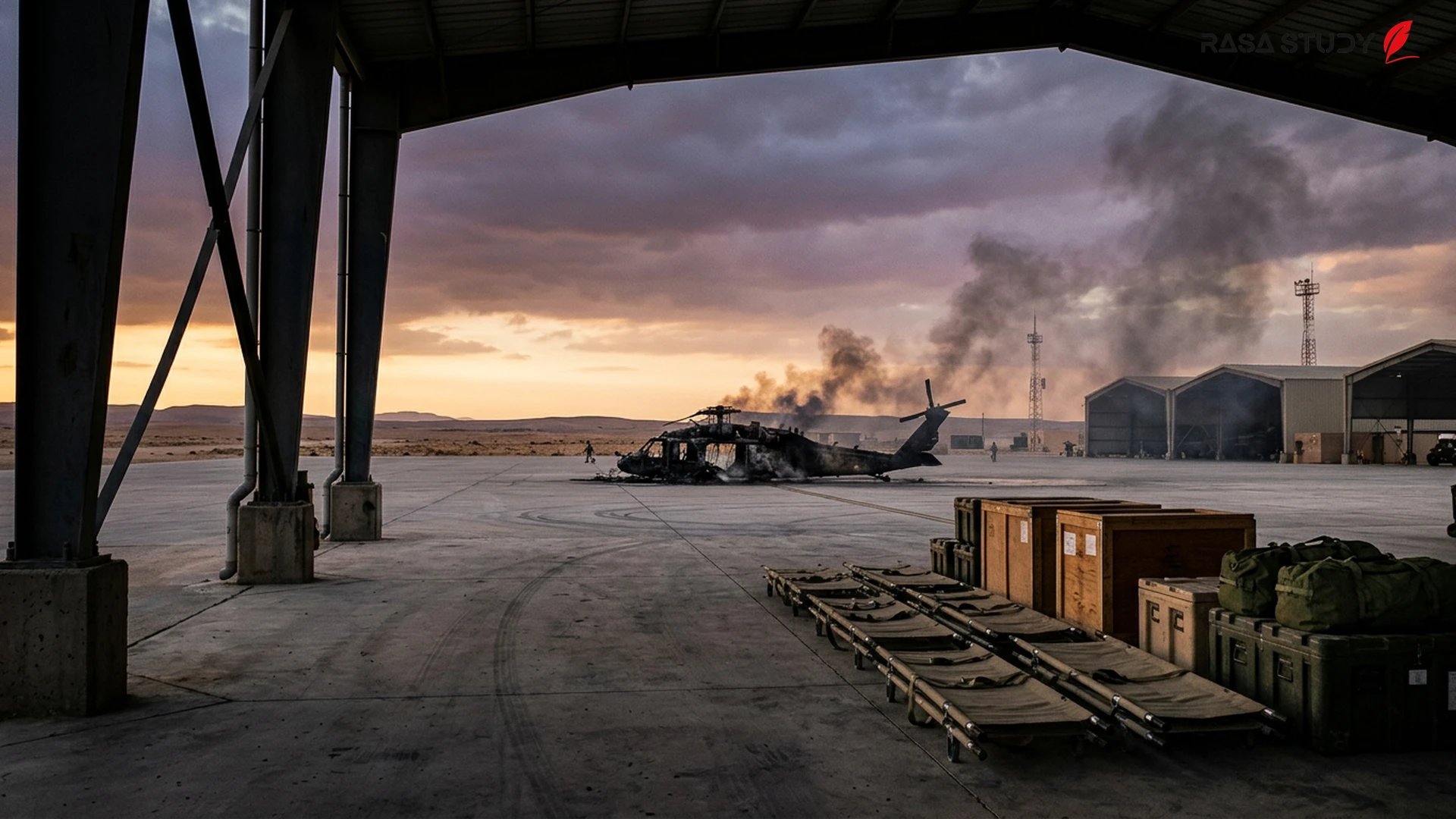
Warning Neighboring Countries about 'Gambling with Security' Addressing the leaders of the Persian Gulf countries, the Chairman of the National Security Commission warned against the consequences of relying on Washington's security umbrella. He stated, 'Gambling on the US scenario will blow away your stability and security' [2]. Referring to recent experiences, Azizi claimed that US military bases in regional countries, instead of providing security, have practically become 'sources of threat,' and the only way to achieve lasting stability is to distance themselves from the White House's interventionist policies [1][3].
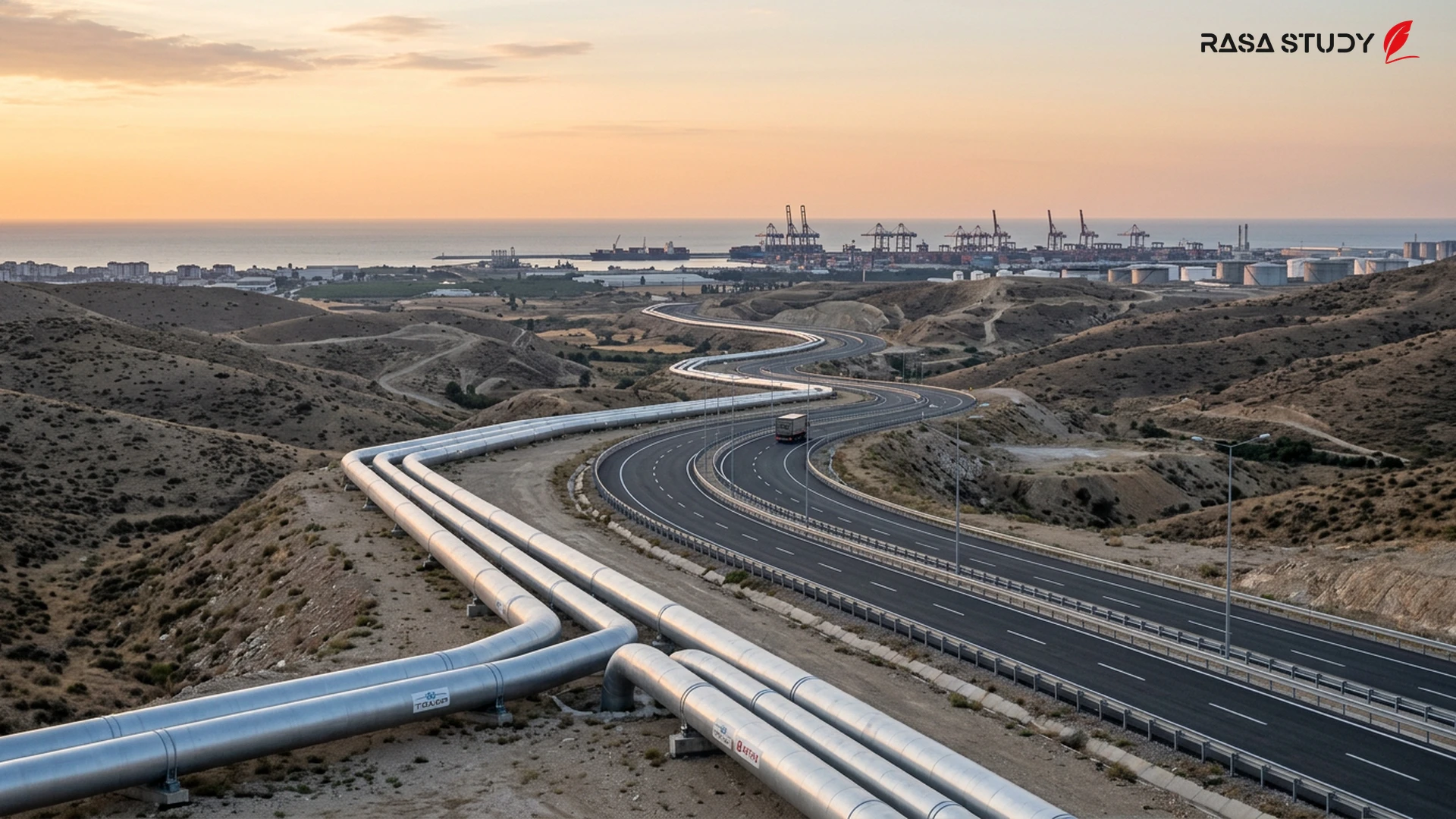
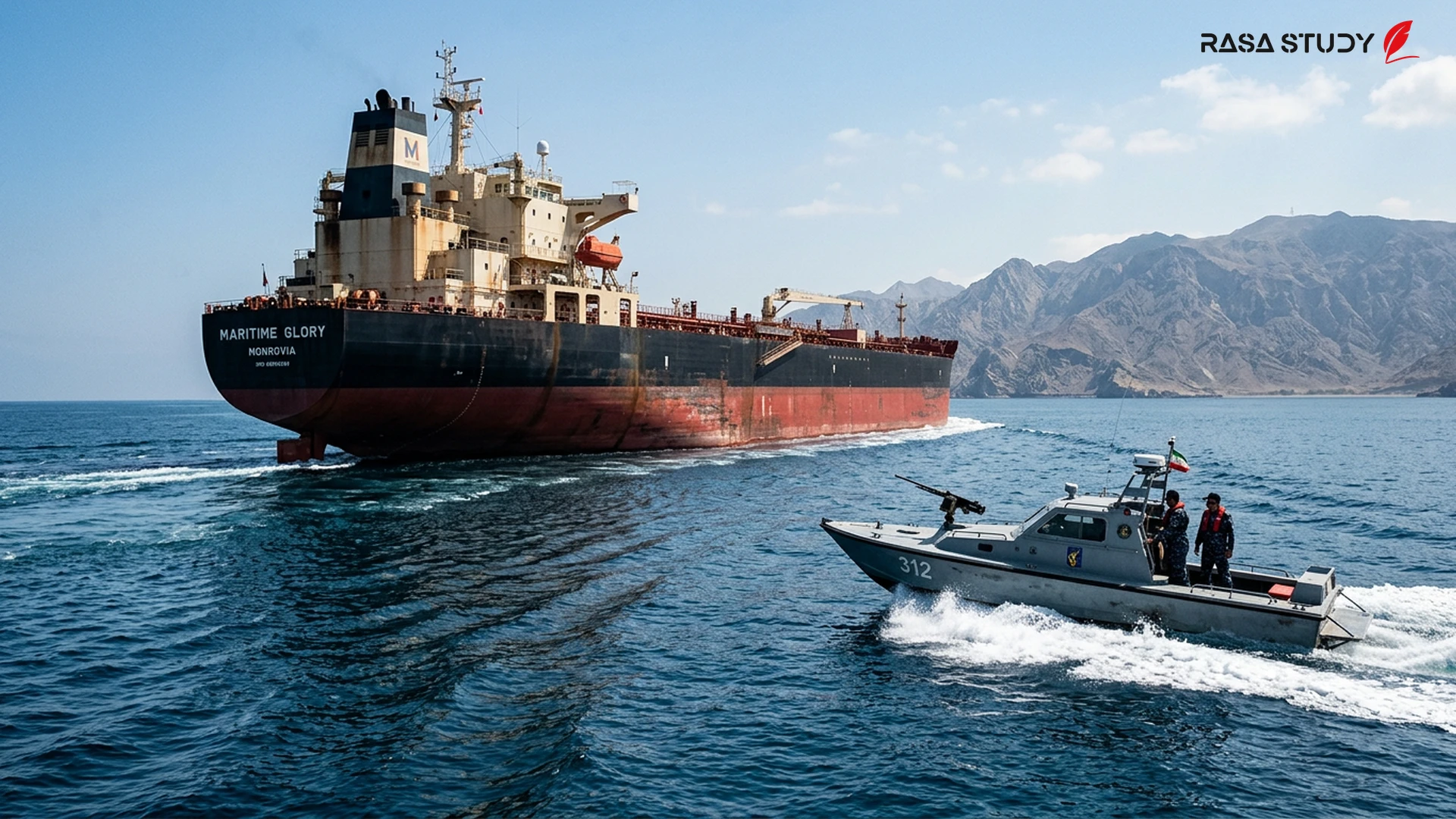
The Challenge of Managing the Strait of Hormuz and Transit Fees One of the main points of contention that has escalated in recent days is the issue of managing the Strait of Hormuz and rumors of Iran imposing transit fees. While the US and GCC countries rejected any imposition of costs or restrictions on this international waterway in their statement [4], Iranian parliamentary officials insist that the management of this strait is an inseparable part of Iran's national sovereignty [3]. These tensions occur right in the middle of a 60-day negotiation period to reach a final agreement between Tehran and Washington and could pose a serious challenge to the diplomatic process.
Regional Security Without Foreign Interference The Iranian Parliament once again emphasized its long-standing position that the security of the Persian Gulf must be ensured only by the countries of the region. Azizi concluded by noting that 'imported security from Washington is nothing more than a mirage' and that returning to the era of direct foreign intervention will bring nothing but instability to neighbors [3]. These remarks indicate parliamentary pressure on the government to maintain a tough stance in the ongoing negotiations.
Ebrahim Azizi, Chairman of the National Security Commission, stated that Iran's defense capabilities are non-negotiable.
linkSources
- İran Meclisi’nden ABD ve Körfez ülkelerine “kırmızı çizgi” uyarısı — CGTN Türk (2026-06-26)
- هشدار رئیس کمیسیون امنیت ملی به سران شورای همکاری خلیج فارس — ISNA (2026-06-26)
- عزیزی: بیانیهٔ آمریکایی شورای همکاری خليج فارس بیاعتبار است — Fars News (2026-06-26)
- US Draws Red Line on Iran's Hormuz Toll Proposal Amid Fragile Peace Negotiations — Hindusthan Samachar (2026-06-24)