Following recent reports of Iranian military and diplomatic movements in border areas, analysts are examining Tehran's new objectives in increasing pressure on the PJAK group and its impact on sustainable regional security.
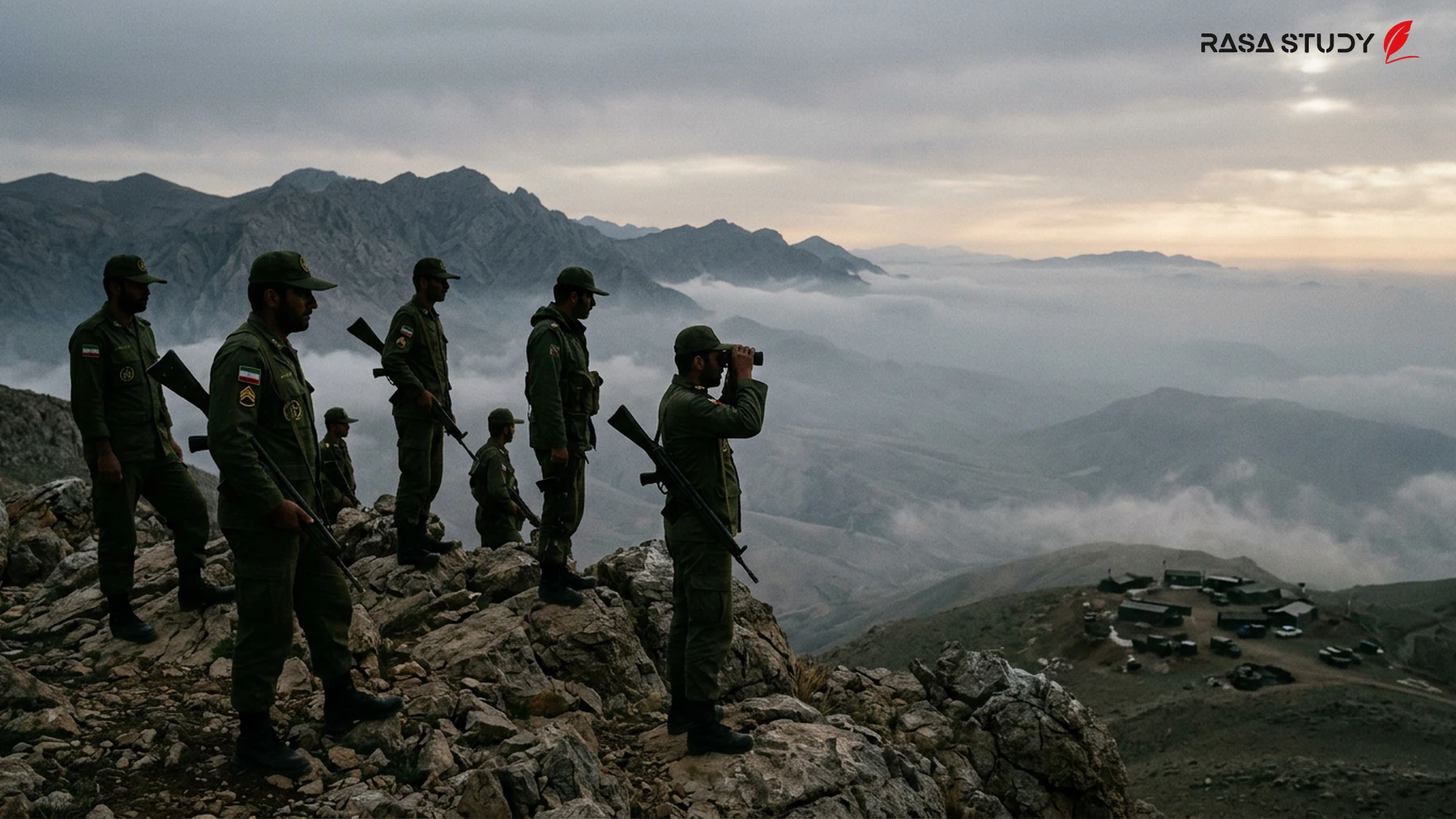
New Dimensions of Iran's Operations Against PJAK According to reports published on July 1, 2026, the Islamic Republic of Iran has launched a new round of targeted actions against the positions of the armed group PJAK (Free Life Party of Kurdistan). These movements, which include a combination of military pressure in mountainous regions and diplomatic consultations with the central government of Iraq, indicate Tehran's serious determination to completely clear border areas of opposition groups [1]. Regional media, including Turkey's A Haber network, have focused on this issue, raising questions about the timing and strategic consequences of this move.
Reflection in Turkish Media and the Role of A Haber In its recent analysis, the A Haber news network examined this issue in detail and asked, "What does Iran's new move against PJAK mean?" [1]. From the perspective of Turkish analysts, any Iranian action against branches related to the PKK directly affects Turkey's national security. Possible coordination between Tehran and Ankara in this field could change the balance of power in northern Iraq and border areas in favor of central governments. The media outlet emphasizes that Iran's pressure on PJAK could be part of a larger plan to limit terrorist activities along shared borders.
Tehran-Baghdad Security Agreement and Pressure on the Region The background of these actions dates back to the security agreement of past years between Iran and Iraq, under which Baghdad committed to disarming and relocating Kurdish opposition groups away from Iran's borders [3]. Reports indicate that due to the incomplete implementation of some provisions of this agreement, Iran has now taken direct action. These pressures have affected not only PJAK but also other groups based in the Kurdistan Region of Iraq [2]. Tehran has repeatedly stated that the presence of armed groups near its borders is considered a red line and, if necessary, it will expand its cross-border operations.
Geopolitical Consequences and Future Outlook Analysts believe that Iran's recent move could be a clear message to international actors based in the region, including the United States. By establishing security on its western borders, Iran seeks to reduce the influence of foreign factors and strengthen national sovereignty in strategic areas. If these movements are accompanied by further intelligence cooperation between Iran, Iraq, and Turkey, it could lead to the structural weakening of groups like PJAK. However, potential reactions within the Kurdistan Region and international pressures will be among the challenges facing this new strategy.
Iran's recent military movements on western borders have attracted the attention of international media.
linkSources
- İran'ın PJAK hamlesi ne anlama geliyor? — A Haber (2026-06-30)
- Iran pressures Iraq over Kurdish dissident groups — Al-Monitor (2024-03-15)
- Security pact between Iran and Iraq: Progress and challenges — IRNA (2025-12-10)