With the intensification of Iranian drone attacks on PJAK headquarters along the western borders, international analysts are now questioning whether Tehran's goal is merely securing its borders or if this operation is part of a larger plan to redefine the balance of power in the Middle East.
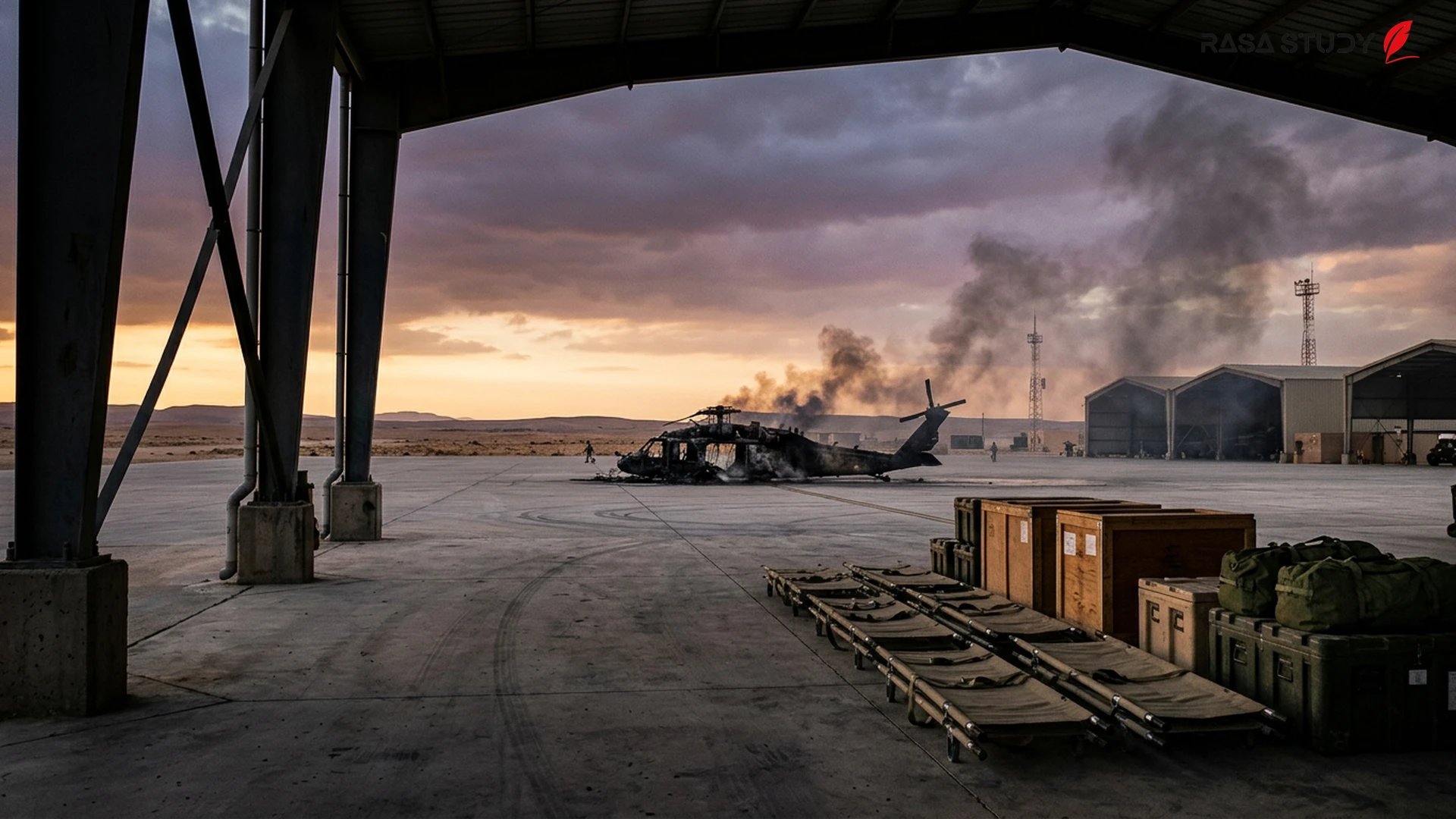
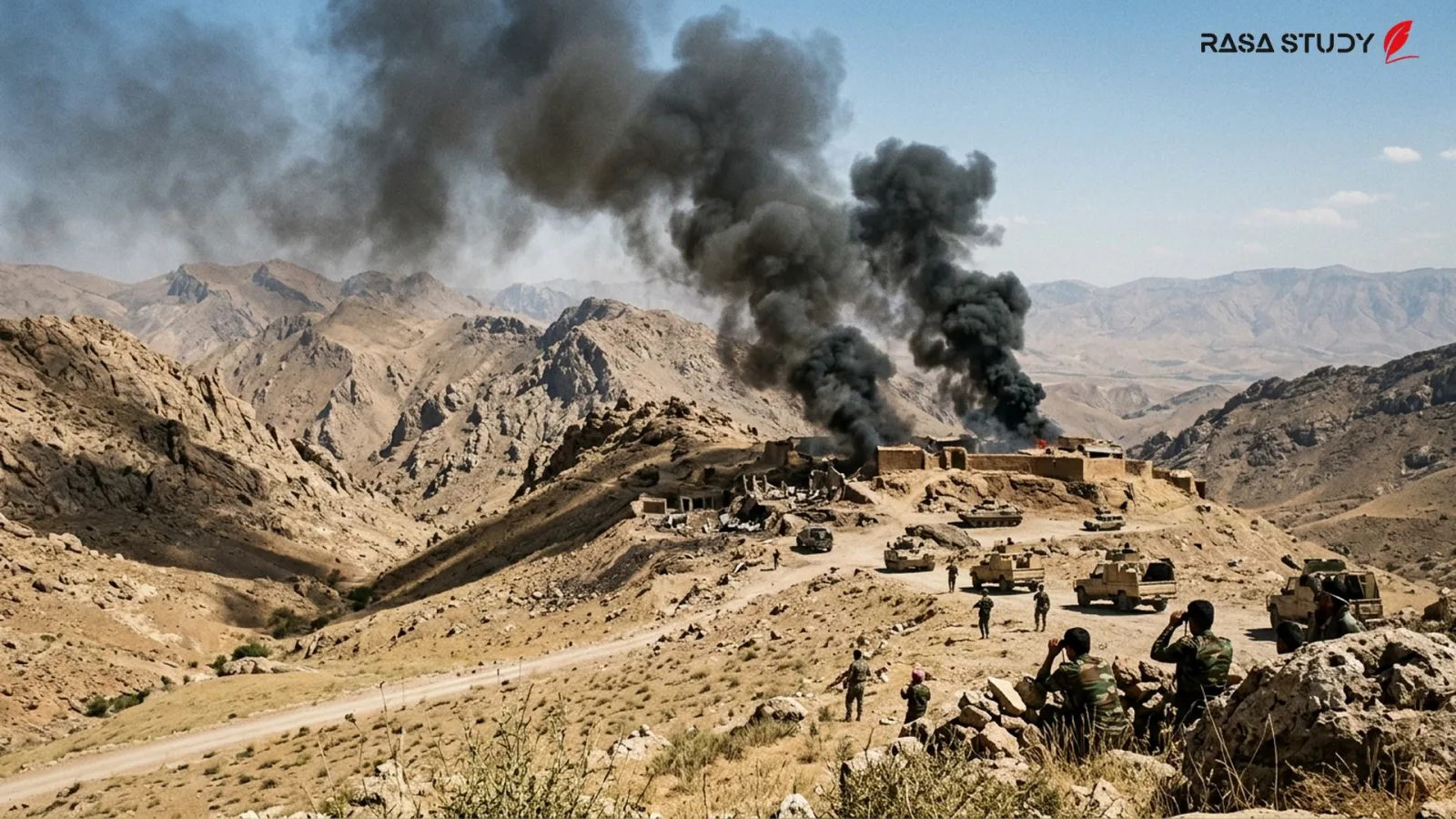
Details of the June 2026 Operation and the Flight of Militants On June 12, 2026, field reports from northern Iraq indicate that the Iranian armed forces have launched a new round of heavy drone and missile strikes against the headquarters of the PJAK group. According to released images, the intensity of these attacks was such that elements of this group abandoned their strategic positions in the highlands and fled toward residential areas and deeper into the territory of the Kurdistan Region of Iraq [2]. This operation, which follows a series of Iranian spring offensives, demonstrates Tehran's serious determination to completely clear the border strip of armed groups exploiting the security vacuum in the region.
PJAK: A Pawn in a Larger Chess Game? Media analyses, including a report by Yirmidört TV, point out that the operation against PJAK should not be viewed merely as a simple border clash. Given the widespread tensions between Iran and the US-Israel axis in early 2026, some observers believe that groups like PJAK were intended as tools for internal pressure on Tehran [1][3]. By launching preemptive strikes against these groups, Iran is effectively neutralizing scenarios aimed at opening a new front in the west of the country. These attacks send a direct message to the regional and extra-regional supporters of these groups that Iran will not allow the balance of power on its borders to be altered.
The New Middle East: From Dream to Geopolitical Reality The main question being raised today in political circles is: "Is the real goal of this operation only the mountains, or the drawing of a New Middle East?" [1]. By consolidating its power in border areas and forcing the Kurdistan Region to adhere to security agreements, Iran is imposing new realities on the regional order. While Western powers seek to redesign the political map of the region, Tehran is redefining its spheres of influence using hard power. This approach indicates that the New Middle East envisioned by Iran is built on endogenous security and the elimination of foreign proxy actors.
Security Agreements and Pressure on the Kurdistan Region The recent operation takes place while Iran and Iraq had previously agreed on the expulsion of armed groups from border areas. The flight of PJAK elements into residential areas of the Kurdistan Region has now placed the local government in Erbil in a difficult position [2]. Tehran emphasizes that any delay in implementing the security agreement will lead to the continuation of military operations. This simultaneous diplomatic and military pressure is part of Iran's grand strategy to ensure lasting stability on its western borders and prevent northern Iraq from becoming a base for anti-Iranian operations [3].
Iran's extensive drone attacks on PJAK headquarters in northern Iraq, June 2026.
linkSources
- Kandil'in İran'a bakan yüzü... 24 TV Analiz Haber — Yirmidört Tv (2026-03-04)
- تصاویر فرار گروهکهای تجزیه طلب از شمال عراق — Tabnak (2026-06-12)
- Son dakika: İran sürpriz hamleyi duyurdu: PKK vuruldu, dev saldırı! — Haber 7 (2026-03-04)