In a strongly worded response to the joint statement by the United States and the Gulf Cooperation Council, Iran's Ministry of Foreign Affairs identified Washington as the primary source of military tensions and division in the region, describing the presence of trans-regional forces as a burden on nations.
Condemnation of Manama Statement and Interventionist Allegations On June 26, 2026, the Ministry of Foreign Affairs of the Islamic Republic of Iran issued an official statement strongly condemning the positions raised during the joint meeting of the Foreign Ministers of the United States and the Gulf Cooperation Council (GCC) member states in Manama [1]. The meeting, attended by US Secretary of State Marco Rubio, issued a statement criticizing Iran's nuclear programs, missile capabilities, and regional policies. Tehran described these remarks as "interventionist, irresponsible, and provocative," warning against Washington's continued bellicose behavior in the region [2].
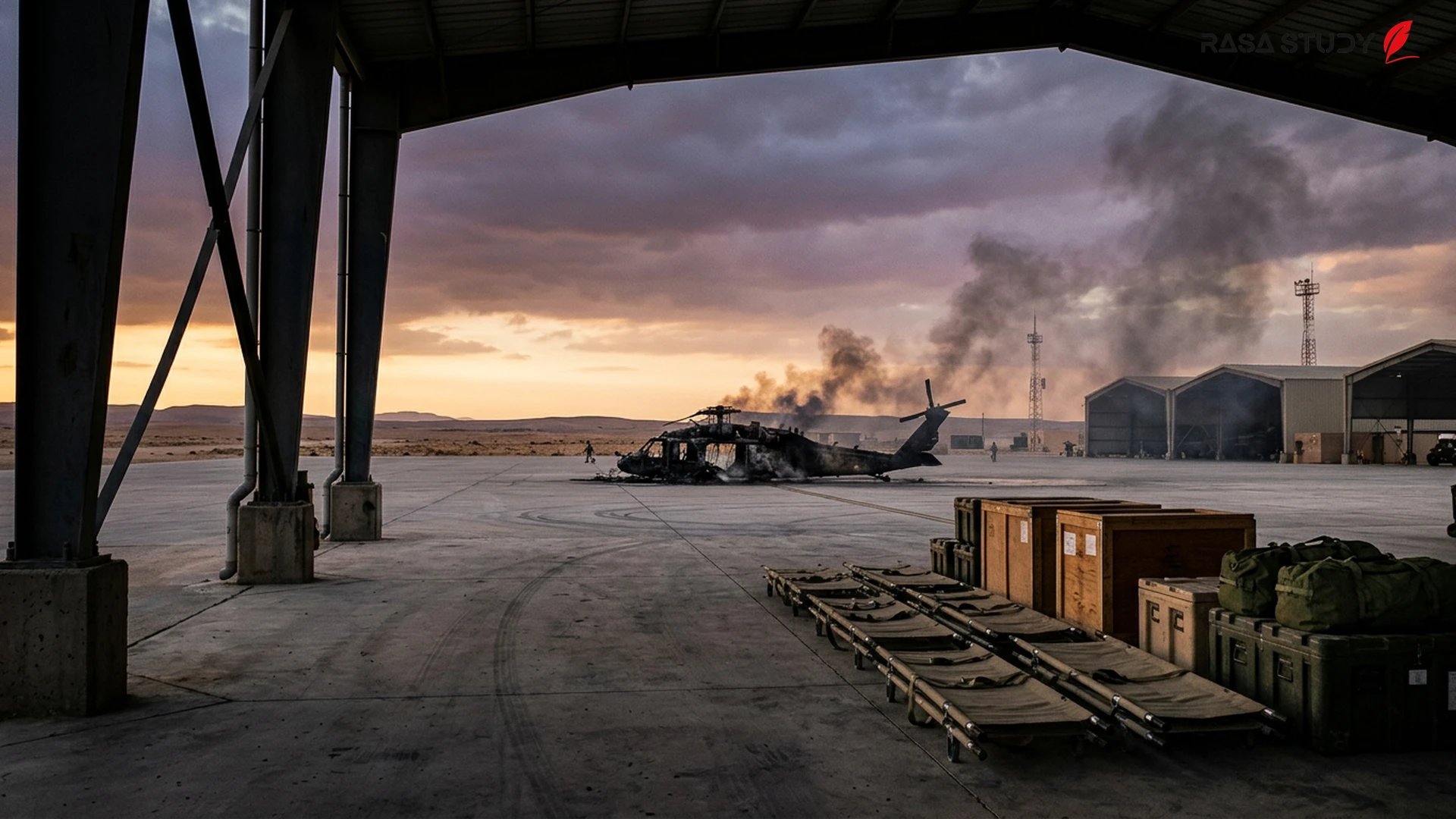
USA: The Root of Military Rifts and Insecurity In this official reaction, Iran called the US claim of a lasting commitment to the security of GCC member states "rhetoric and a distortion of reality." Iran's diplomatic apparatus emphasized that Washington's military presence in the Persian Gulf countries is not only not a guarantor of security but has itself become the main source of insecurity and division among regional countries [3]. The statement, referring to military tensions in recent months, clarified that the US use of military bases and facilities located in regional countries for actions against Iran clearly shows that Washington places no value on the security and neighboring relations of these countries [4].
Rejection of Nuclear Charges and the Issue of "Proxy Forces" Another part of Tehran's reaction was dedicated to the nuclear program. While expressing disgust at the repetition of allegations regarding its nuclear activities, Iran called these claims a "big lie" fabricated by the United States and the Zionist regime [1]. The Iranian Foreign Ministry advised GCC member states to cooperate with Tehran to realize the "Nuclear-Weapon-Free Zone" initiative instead of aligning with US threat-mongering policies [3]. Furthermore, Iran strongly rejected the definition of resistance groups in Palestine and Lebanon as "proxy forces," noting that the only real proxy force in the region is the Zionist regime [2].
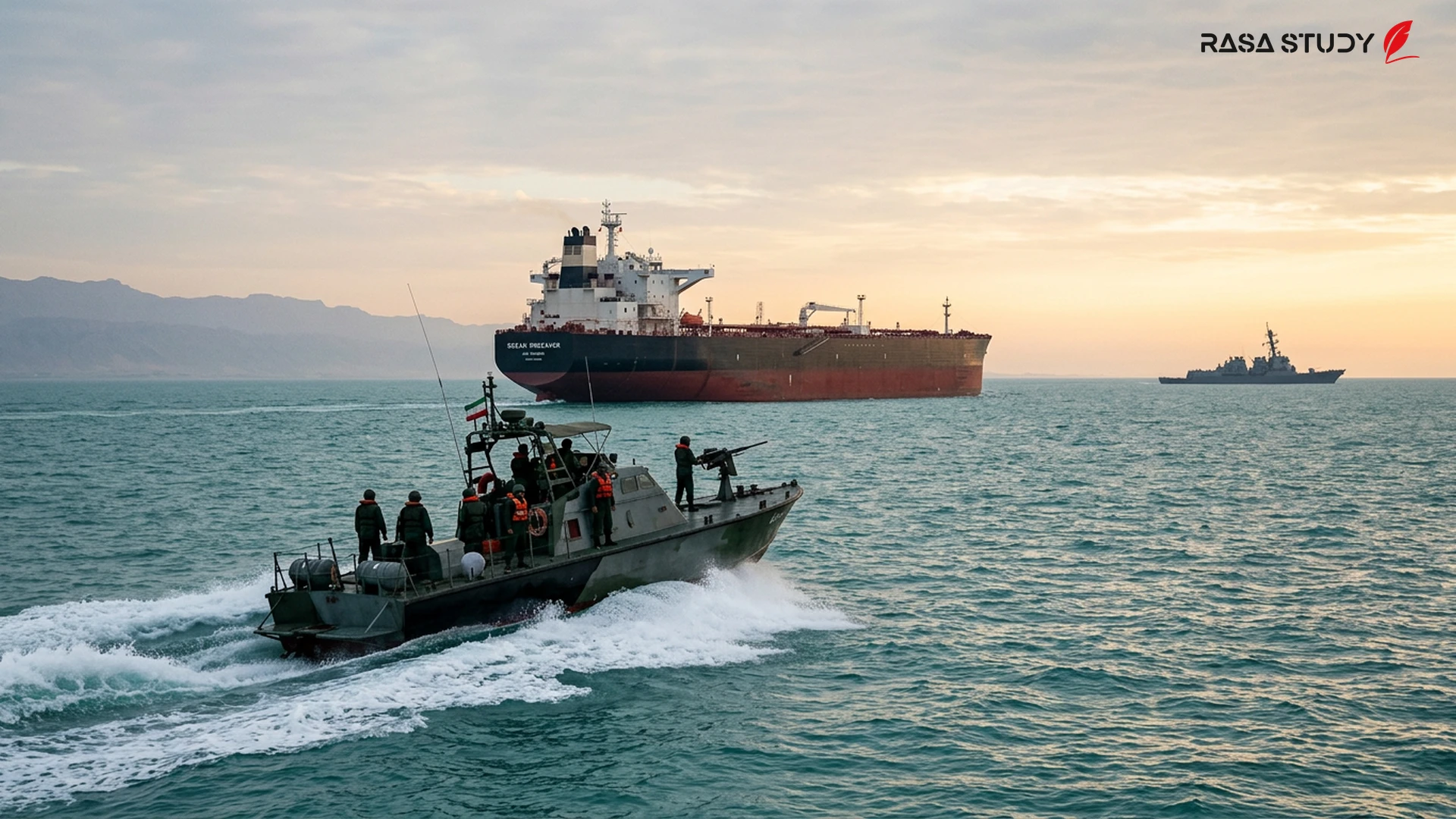
Emphasis on Indigenous Security and the Status of the Strait of Hormuz Regarding maritime security and the Strait of Hormuz, Iran once again emphasized its sovereignty. The statement noted that the Strait of Hormuz lies within the territorial waters of Iran and Oman, and maritime management therein must be based on indigenous agreements without the interference of foreign forces [5]. Tehran called on neighboring countries to reconsider their security approaches and move toward an intra-regional collective security model instead of relying on trans-regional powers that have repeatedly destabilized the region [4]. This stance comes as Iran emphasized the defense of its military deterrent capabilities without any retreat.
Iran's Ministry of Foreign Affairs called the US-GCC joint statement interventionist and provocative.
linkSources
- İran'dan ABD-KİK ortak bildirisine tepki — Anadolu Agency (2026-06-26)
- İran'dan ABD-KİK ortak açıklamasına tepki: 'ABD’nin askeri bölünmenin kaynağıdır' — Evrensel.net (2026-06-26)
- Iran dismisses U.S. claimed commitment to GCC security as 'rhetoric, distortion of reality' — Xinhua (2026-06-26)
- Iran calls US-GCC statement 'interventionist' — Middle East Eye (2026-06-26)
- واکنش وزارت خارجه ایران به بیانیه مشترک آمریکا و شورای همکاری خلیج فارس — IRNA (2026-06-26)