On June 12, 2026, Iran warned the United States that it would not cross its 'red lines' in ongoing peace negotiations. This statement was issued as Donald Trump claimed to have reached a major agreement.
Today, June 12, 2026, the Middle East is at one of its most critical historical junctures. After three months of extensive military conflict that shook global energy markets, whispers of peace are louder than ever [3]. US President Donald Trump announced in a message on his social media network that he has halted planned strikes against Iranian targets due to progress in negotiations [1]. However, Iranian Foreign Ministry spokesperson Esmaeil Baghaei emphasized in a cautious tone that Tehran has not yet reached a final result and will not bargain over its red lines [2].
Suspension of Attacks and Washington's Optimism Donald Trump stated in a statement that he issued the order to cancel nightly bombings due to reaching an understanding at high levels of the Iranian leadership [1]. He claimed that this agreement, which he called 'a grand settlement,' could be signed in Europe as early as this weekend [3]. Trump also mentioned that Vice President JD Vance might be dispatched for the signing ceremony. However, sources close to the Iranian negotiating team say Trump's claims may be premature and many technical details remain [9].
Tehran's Red Lines and the 14-Point Draft Turkey's 'Yeni Akit' newspaper and other regional media have reported that Iran has set a series of non-negotiable conditions as red lines. According to a 14-point draft published by Iranian state media, Tehran demands a complete lifting of the naval blockade within 30 days, the withdrawal of US forces from areas surrounding Iran, and a commitment from Washington to non-interference in the country's internal affairs [5, 6]. One of the most controversial clauses of this proposal is Iran's request for a $300 billion package to reconstruct war damages; a request that US officials had previously rejected [5].
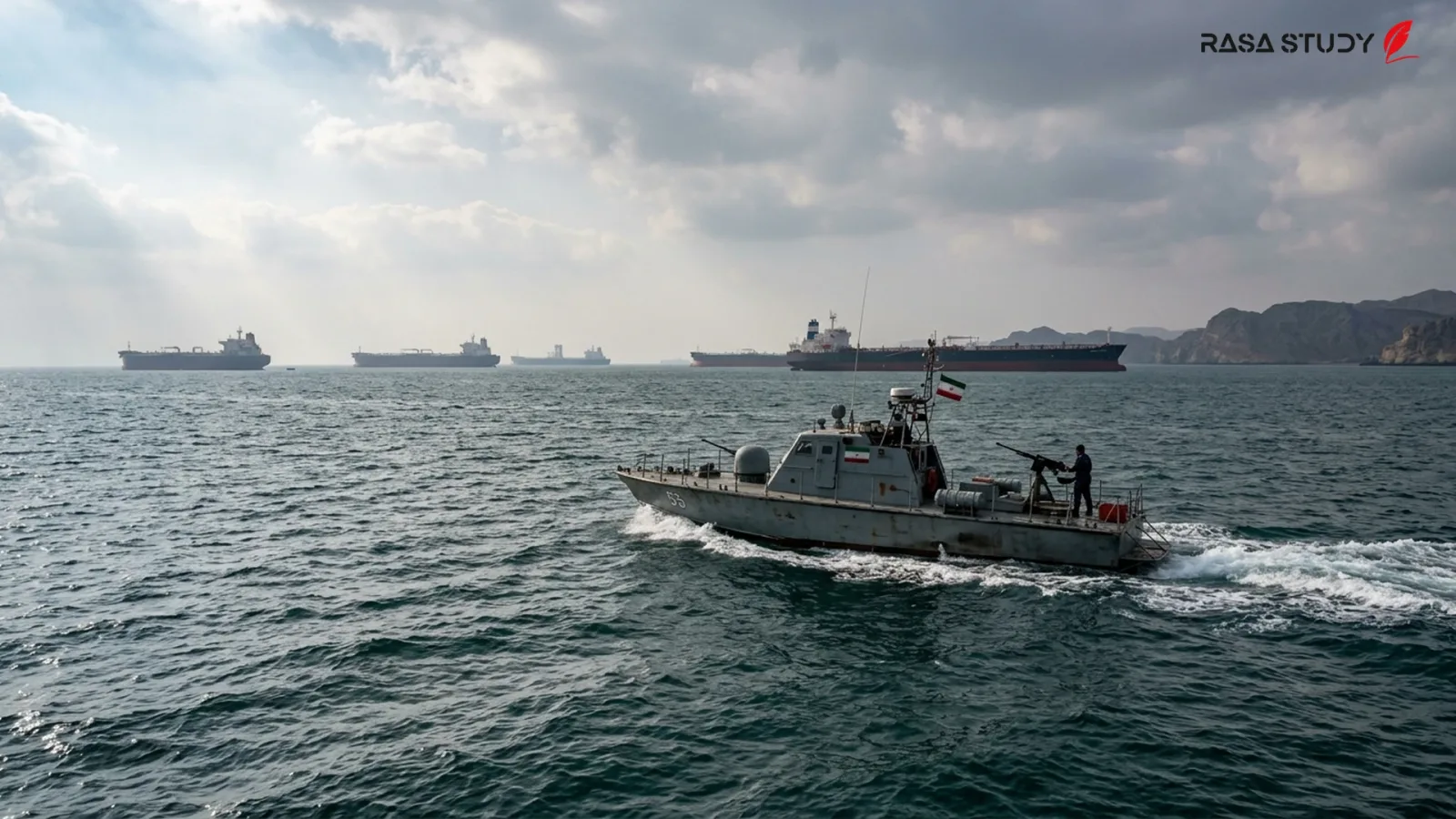
Reopening the Strait of Hormuz and Economic Consequences The closure of the Strait of Hormuz during this three-month war has sharply increased global oil prices and created a fuel crisis. According to the potential memorandum of understanding, Iran has committed to reopening this strategic waterway under its control within 30 days [2]. In exchange, the US must suspend oil and petrochemical sanctions and provide Iran access to financial resources from oil sales [6]. It is also reported that $24 billion of Iran's frozen assets must be released over a 60-day period [6].
Pakistan's Mediation and Remaining Ambiguities Pakistan, as the main mediator of this crisis, has played a key role in bringing viewpoints closer. Pakistani Prime Minister Shehbaz Sharif confirmed that both sides are close to a final agreement text [2]. However, Anadolu Agency reported that serious differences still exist regarding the monitoring of Iran's nuclear program and war reparations [4]. Iran has emphasized that it will not begin final negotiations until half of the frozen assets are released [6].
Intensive negotiations to reopen the Strait of Hormuz and end the three-month war between Iran and the US have reached a decisive stage.
linkSources
- Trump claims US and Iran on verge of signing peace agreement, but Tehran says no final decision made — The Guardian (2026-06-11)
- What we know: Inside the US-Iran 'great settlement' — The National News (2026-06-12)
- Trump says Iran war deal close as Strait of Hormuz tensions linger — AL-MONITOR (2026-06-12)
- Iranian media reveals details of 7-point draft memorandum with US — Anadolu Ajansı (2026-06-12)
- Iran's 14-Point Proposal Demands $300 Billion 'Recovery Plan,' Complete Troop Withdrawal — The Media Line (2026-06-12)