As Tehran navigates the political transition following the death of Ayatollah Ali Khamenei, conversations with two influential security and diplomatic figures reveal Iran's new strategies toward the West and the new regional order.
Today, July 11, 2026, Tehran stands at one of the most sensitive junctures in its contemporary history. While the funeral ceremonies for Ayatollah Ali Khamenei, the late leader of Iran, have recently concluded in Mashhad and the country has come under the new leadership of Ayatollah Mojtaba Khamenei, the primary question in international circles is: How does Iran define itself in this new order? Gökhan Göçmen, a correspondent for the "Harici" media outlet, in a field report from Tehran, sat down with two key figures—Esmail Ahmadi-Moghaddam, President of the National Defense University, and Dr. Hassan Kazemi Qomi, Special Representative for Afghanistan Affairs—to analyze the current strategic mindset prevailing in the capital [1].
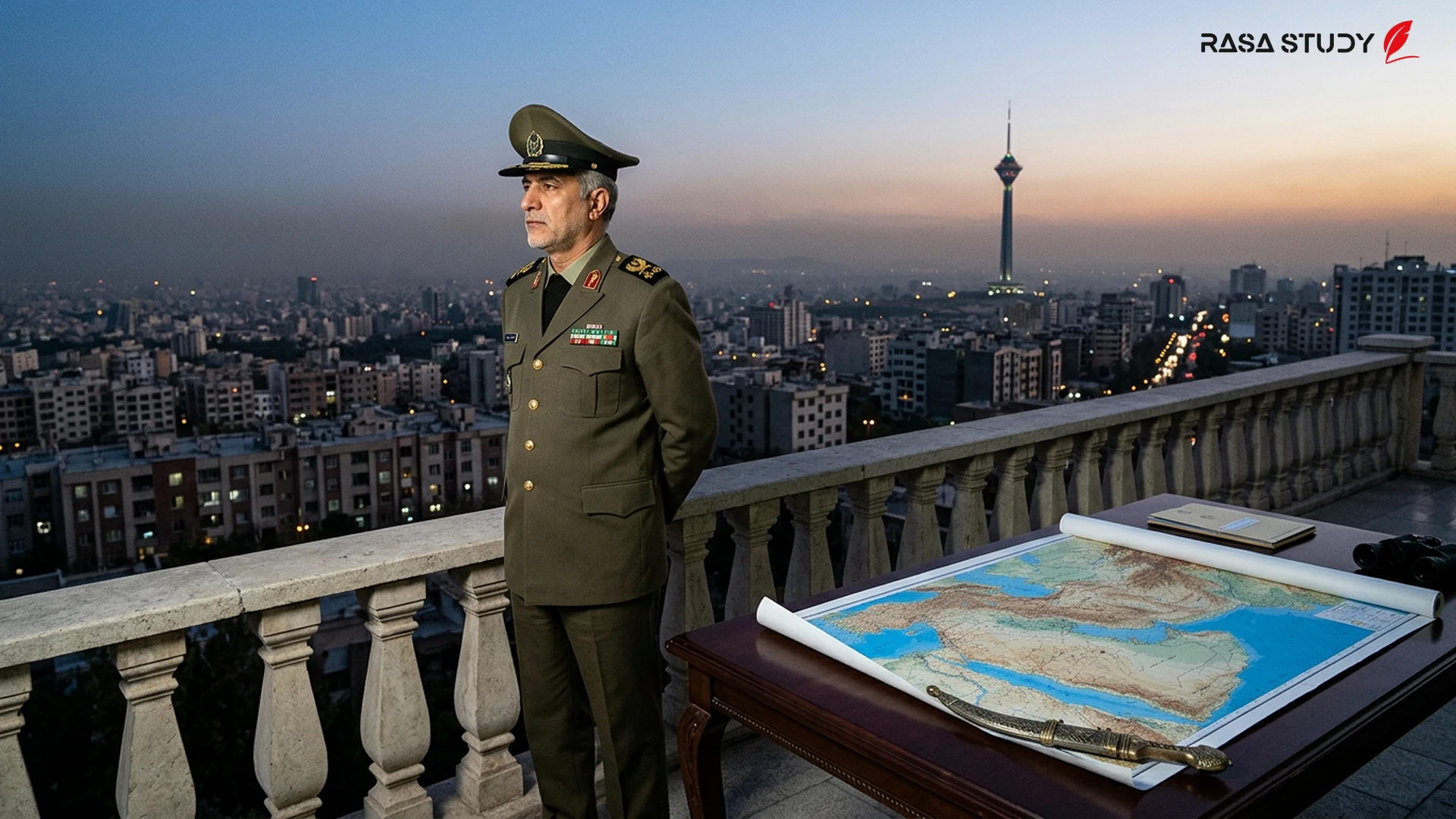
National Security Doctrine; Beyond Borders Esmail Ahmadi-Moghaddam, who previously served as the Commander-in-Chief of Iran's Law Enforcement Force, emphasized in this conversation that Iran's view of security is transborder and based on "preemptive defense." He believes that the wars of 2025 and early 2026 demonstrated that Iran has maintained the ability to transfer the battlefield away from its borders. According to him, what is interpreted in the West as "instability" is, from Tehran's perspective, an attempt to create a new balance of power against the hegemony of the United States and Israel [1][5].
This former commander stresses that Iran is preparing for "future wars" and views even temporary agreements (such as the June 2026 MoU with the Trump administration) only as an opportunity to rebuild its military and missile capabilities [4].
Resistance Diplomacy and the "Unity of Fields" In another part of this analysis, Dr. Hassan Kazemi Qomi, a veteran diplomat and figure close to the Quds Force, explains the concept of the "Unity of Fields." He believes that Iran no longer views regional issues in isolation. From Tehran's perspective, security in the Persian Gulf, stability in Lebanon, and influence in Afghanistan are all links in a single chain [1][3].
Kazemi Qomi notes that the "Axis of Resistance" in 2026 has not only not weakened but has transformed into a decentralized and resilient force that can continue its activities even in the event of extreme pressure on the center (Tehran). This view indicates that Iran does not intend to retreat from its regional influence as part of nuclear negotiations or the lifting of sanctions [5].
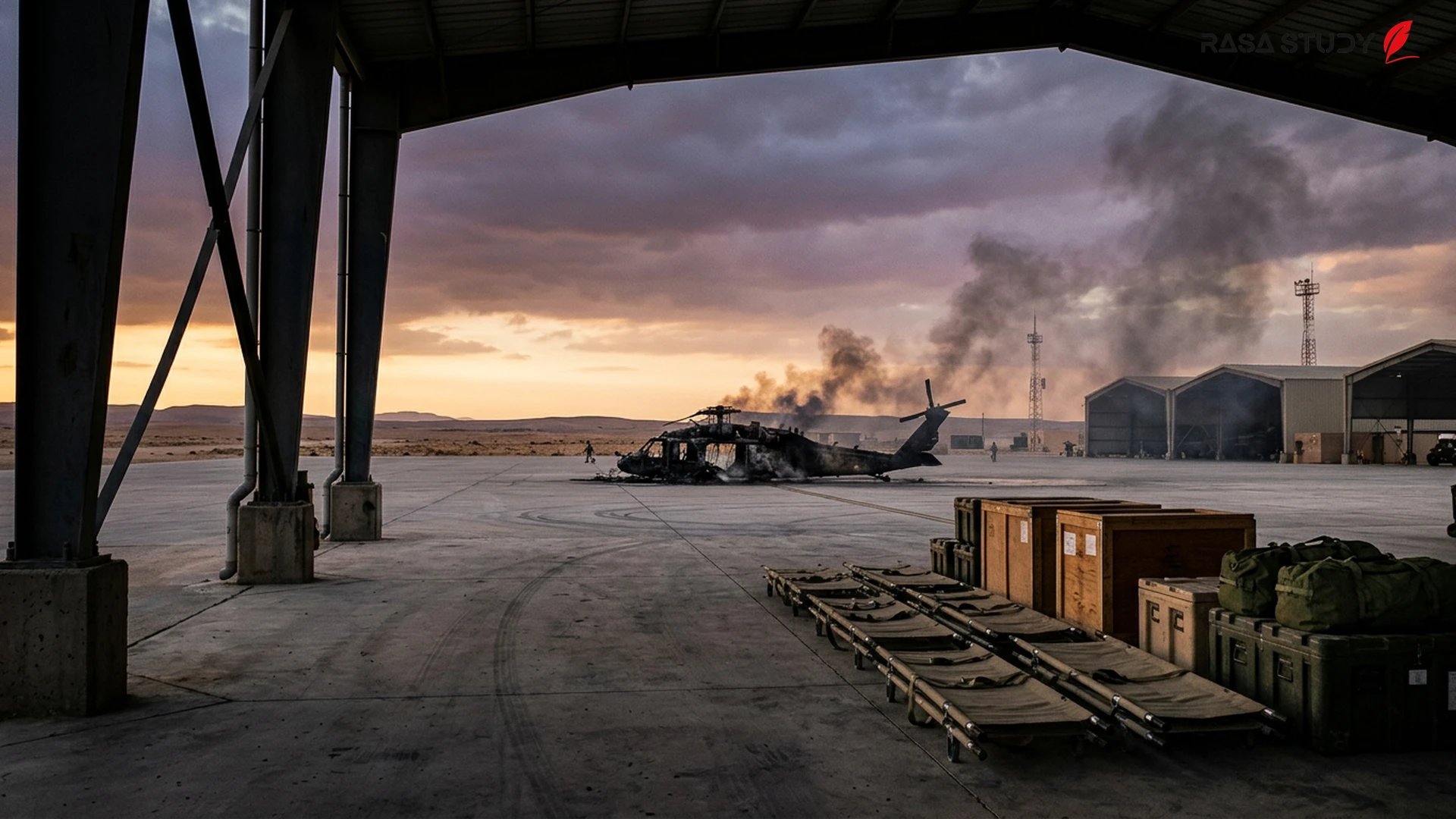
Challenges Ahead; A Fragile Peace Despite the signing of a memorandum on June 17, 2026, between Masoud Pezeshkian and Donald Trump, tensions have peaked again in recent days. Attacks on commercial vessels in the Strait of Hormuz on July 6 and 7 and reciprocal missile threats demonstrate the fragility of this agreement [2][4]. President Pezeshkian has warned that any lasting agreement requires mutual respect and practical adherence to commitments, while Iran's new leadership emphasizes avenging the blood of the former leader [3].
Ultimately, what emerges from the conversation with these two prominent officials in Tehran is a picture of a country that sees itself not as an isolated actor, but as the main pole of an emerging multipolar order; a country that, while negotiating, keeps its finger on the trigger.
Tehran amidst political transition and regional tensions; July 2026
linkSources
- Tahran’da iki kritik isimle konuştum: İran kendisini nasıl görüyor? — Harici (2026-07-11)
- Iran's supreme leader vows to avenge predecessor's death — CBS News (2026-07-11)
- Iran's President Warns of Attempts to Destabilize Region — Tasnim News Agency (2026-07-11)
- The U.S.-Iran Memorandum of Understanding, June 2026 — JINSA (2026-06-23)
- Iran's regional deterrence: Mutating into a resilient force? — Al Jazeera (2026-06-30)