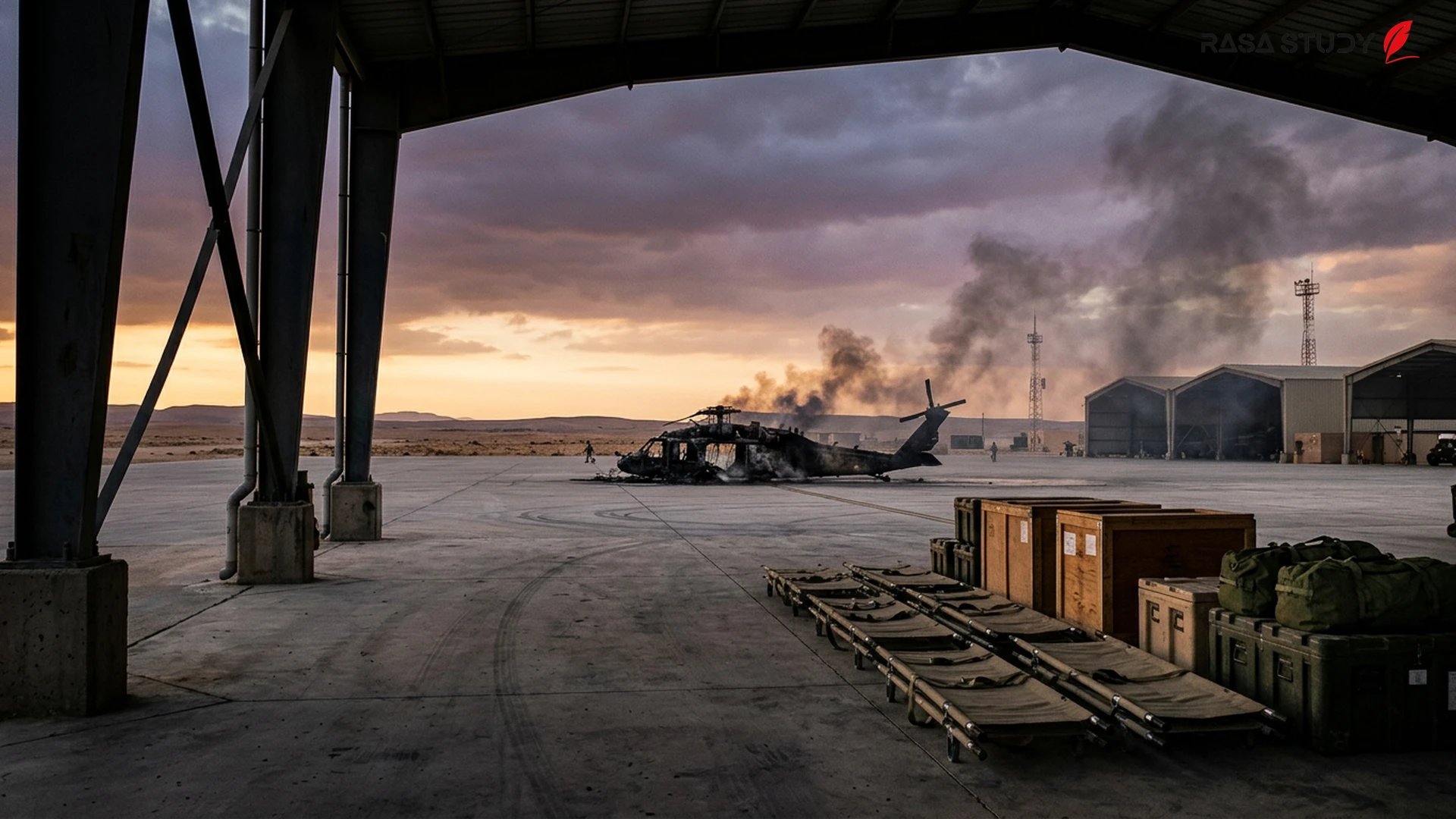
While military tensions in the region have reached their peak, new reports from July 17, 2026, indicate that Iran has lost its strategic advantage in controlling transit routes, and Turkey is on the verge of an unprecedented geopolitical leap.
The End of Iran's Transit Monopoly and the Changing Regional Map Recent developments in the Middle East and the Caucasus indicate a historical shift in the balance of power between Tehran and Ankara. According to reports published on July 17, 2026, Iran, which for decades used its geographical position and control over the Strait of Hormuz as a "trump card" (Koz) in international equations, is now facing serious challenges [1]. The occurrence of military conflicts and instability in traditional Persian Gulf routes has prompted the international community and major logistics companies to seek safer alternatives.
Turkish media, including the newspaper "Yeni Akit," have described this situation as the "sunrise for Turkey." Analysts believe that the decline of Iran's influence in transit routes has provided a golden opportunity for Ankara to consolidate its position as the main bridge between East and West [1][2].
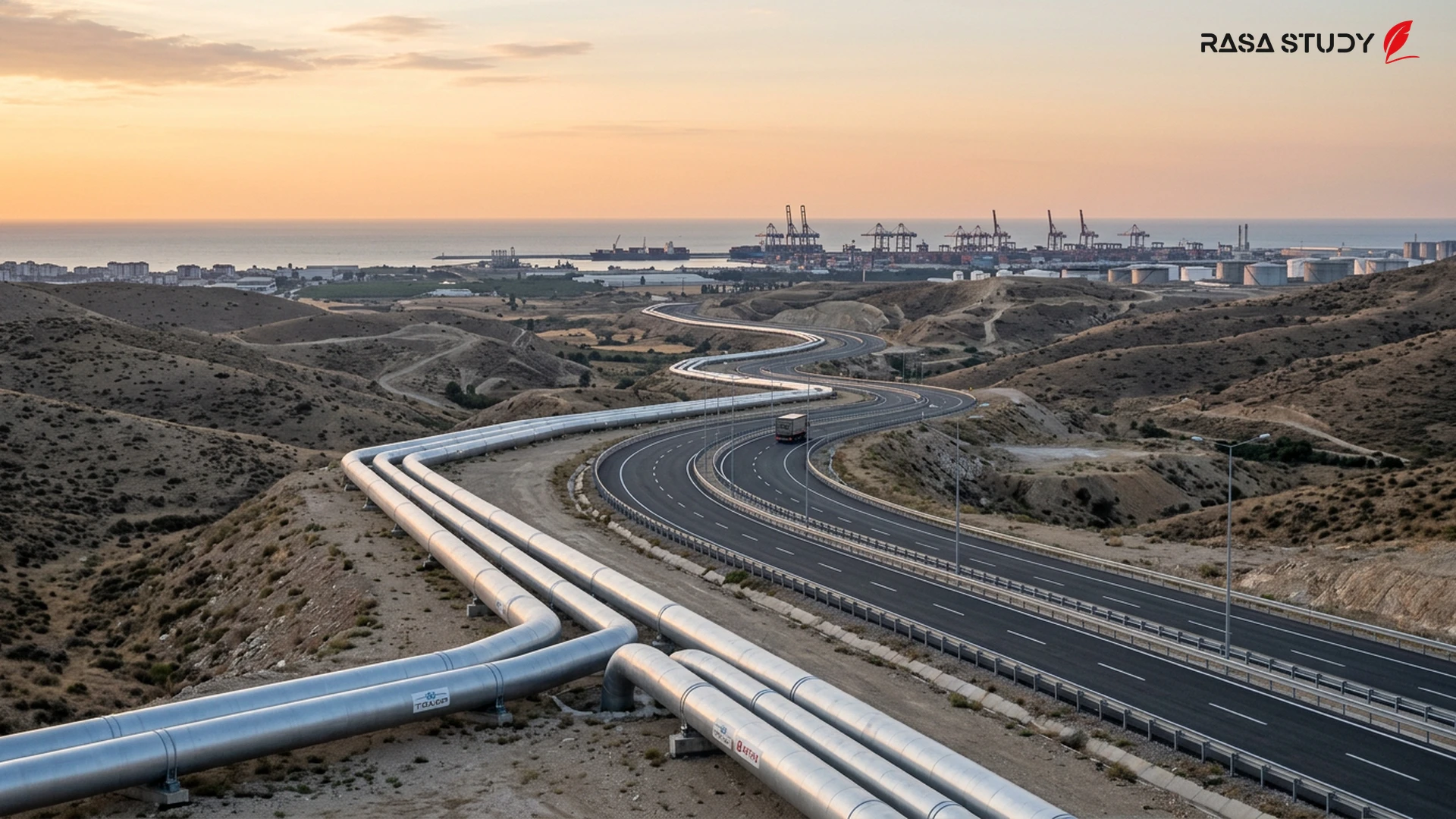
The Development Road and Zangezur Corridor: Strategic Alternatives One of the main reasons for the loss of Iran's superiority is the rapid progress of infrastructure projects in Turkey and neighboring countries. The "Development Road" project, which connects the Persian Gulf to Turkey via Iraq, is now recognized as a serious alternative to high-risk sea routes [3]. This corridor not only reduces the region's dependence on the Strait of Hormuz but also significantly reduces the time and cost of transporting goods to Europe.
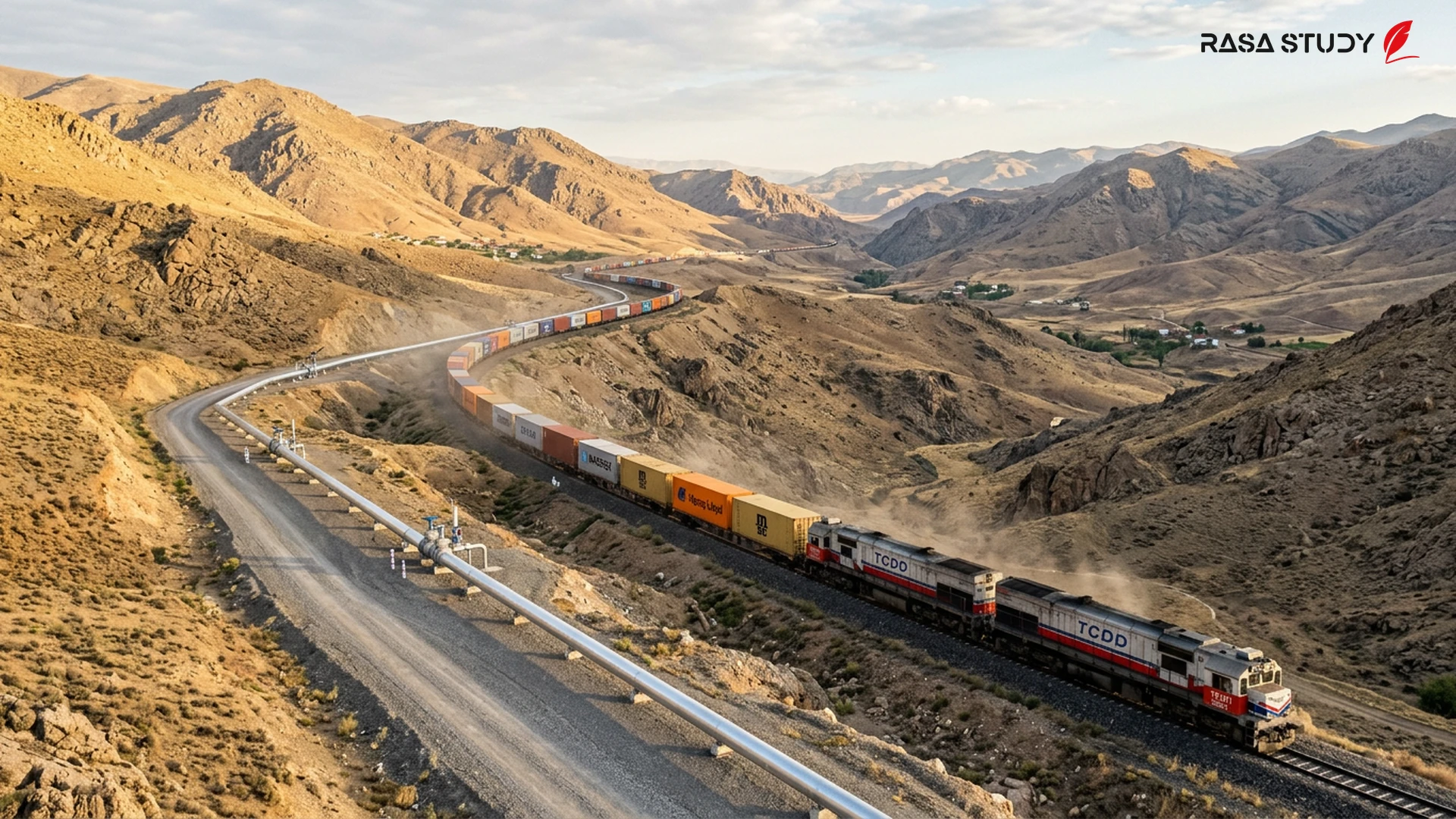
Simultaneously, developments in the Caucasus and the approaching full operation of the "Zangezur Corridor" have put additional pressure on Iran's transit position. Iran, which previously opposed the opening of this route, is now faced with a fait accompli that connects Baku directly to Ankara and from there to Europe [3][4].
Turkey: The New Hub for Energy and Goods in 2026 Ankara officials emphasize that Turkey is now the "safest, shortest, and cheapest" route for the transfer of energy and goods. Given the disruptions caused by war in the southern routes, Turkey's energy pipelines and rail networks have become the only sustainable option for global markets [4]. This situation has led to an unprecedented increase in Turkey's diplomatic influence in Central Asia and the Middle East.
While Iran grapples with the consequences of its declining influence in the "Axis of Resistance" and international pressures, Turkey is rewriting the rules of the game in the region by leveraging active diplomacy and infrastructure investment [2]. This geopolitical shift not only strengthens the Turkish economy but also solidifies the country's role as an indispensable player in the new global order.
The Development Road and Zangezur Corridor projects have shifted the balance of power in favor of Turkey in 2026.
linkSources
- İran’ın kozunu kaybetmesi sonrası kritik gelişme! Türkiye’ye resmen gün doğdu — Yeni Akit Gazetesi (2026-07-17)
- As Iran Declines, Turkey Advances — Geopolitical Futures (2026-07-15)
- Turkey as a transit hub between continents — TRT World (2026-07-11)
- Energy transport routes: Turkey appears to have a significant advantage — Anadolu Agency (2026-04-18)