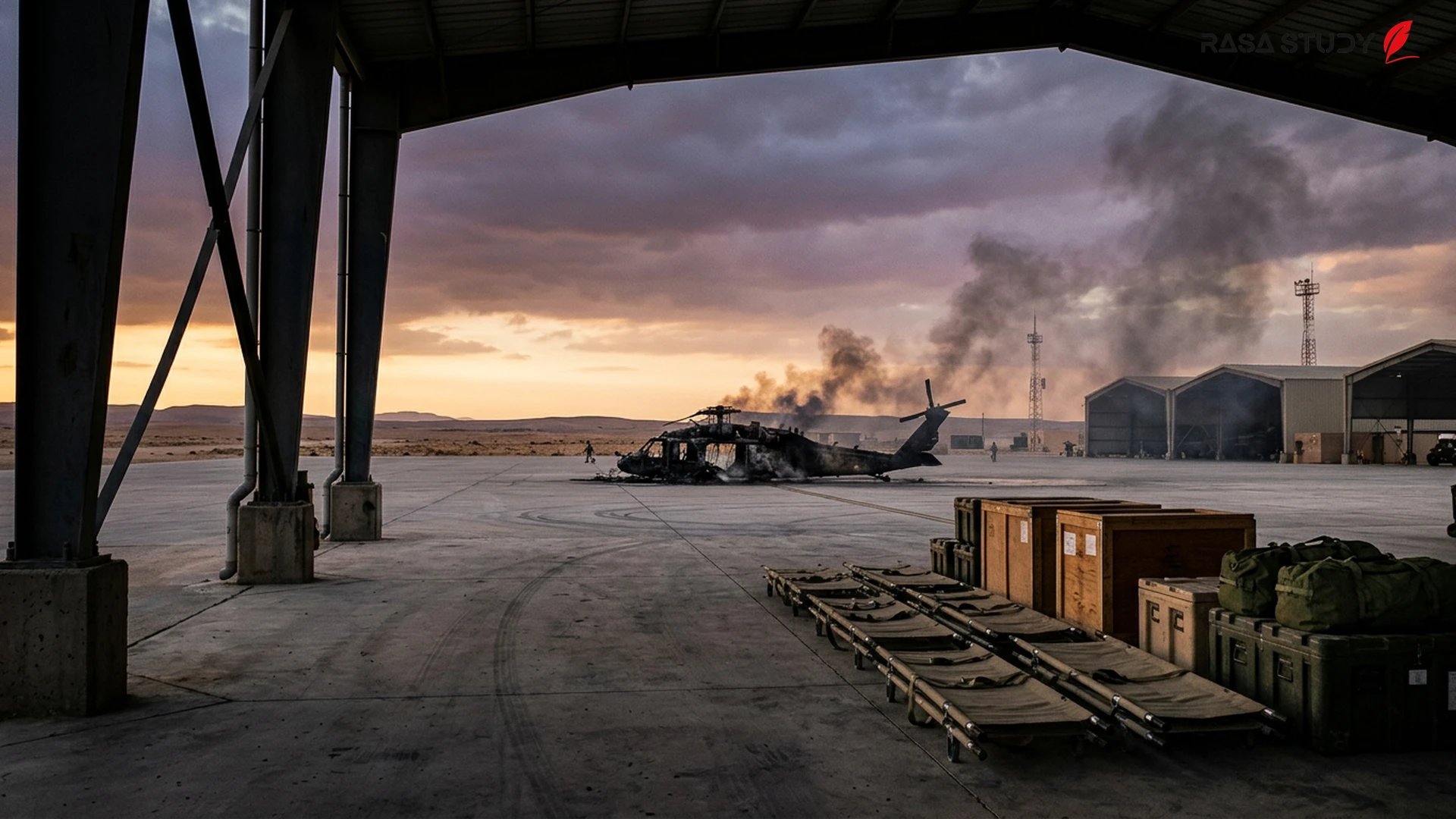
Iran's Ministry of Foreign Affairs announced today, July 13, 2026, that recent US military attacks have neutralized all diplomatic efforts of the past months to reduce regional tensions and have posed a serious challenge to the path of peace in West Asia.
Diplomatic Deadlock Following Washington's Airstrikes
Following the escalation of military conflicts in the Persian Gulf region, the Ministry of Foreign Affairs of the Islamic Republic of Iran issued an official statement strongly condemning the recent United States attacks on Iranian soil. The statement emphasized that Washington's military actions have "rendered futile all efforts made over the past several months to reduce tension and establish peace in the West Asia region" [2]. This reaction came after the United States Central Command (CENTCOM) announced it had launched a new wave of attacks to weaken Iran's capabilities to target commercial vessels in the Strait of Hormuz [1].
Violation of the Peace Memorandum and Return of Insecurity
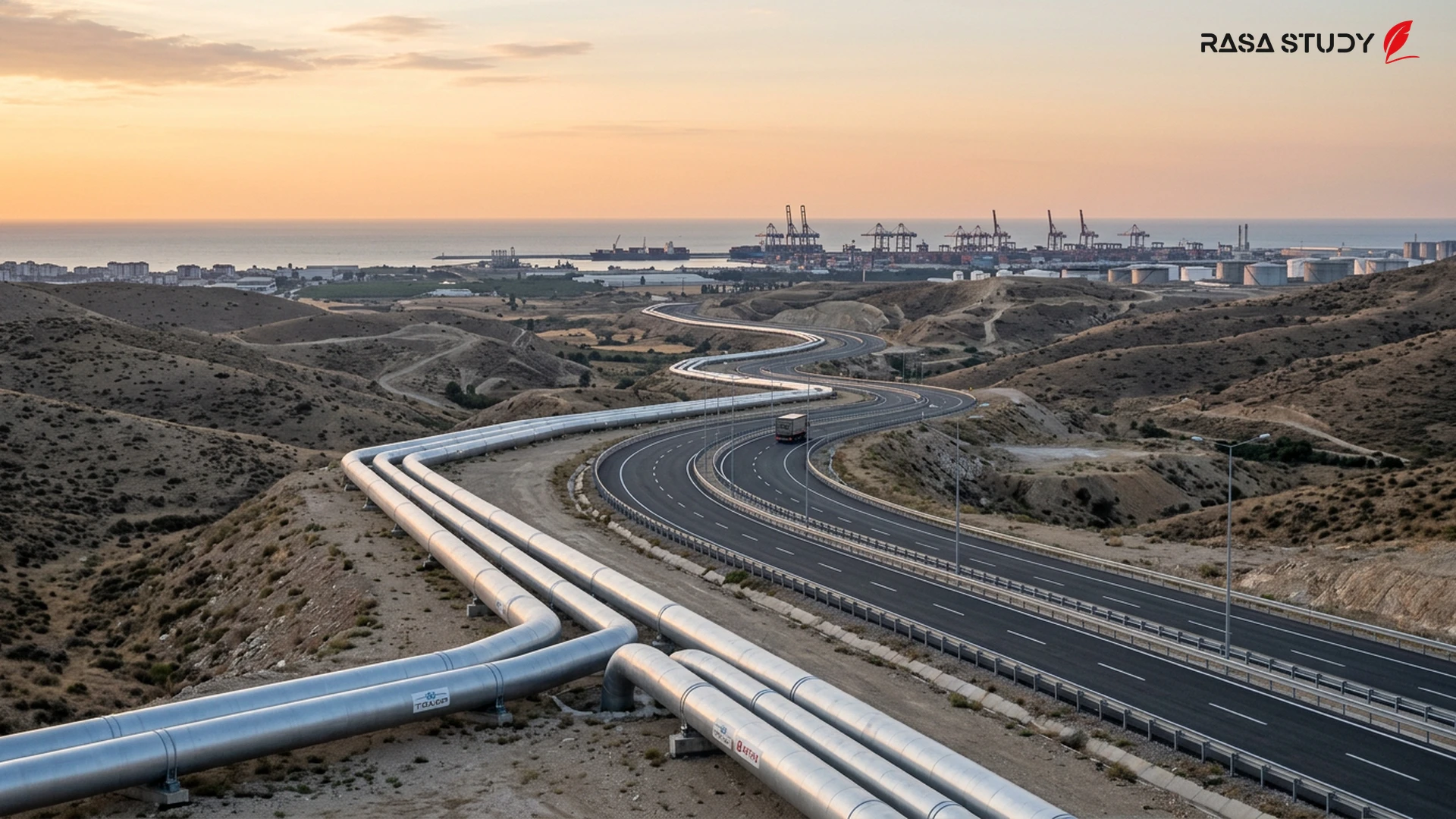
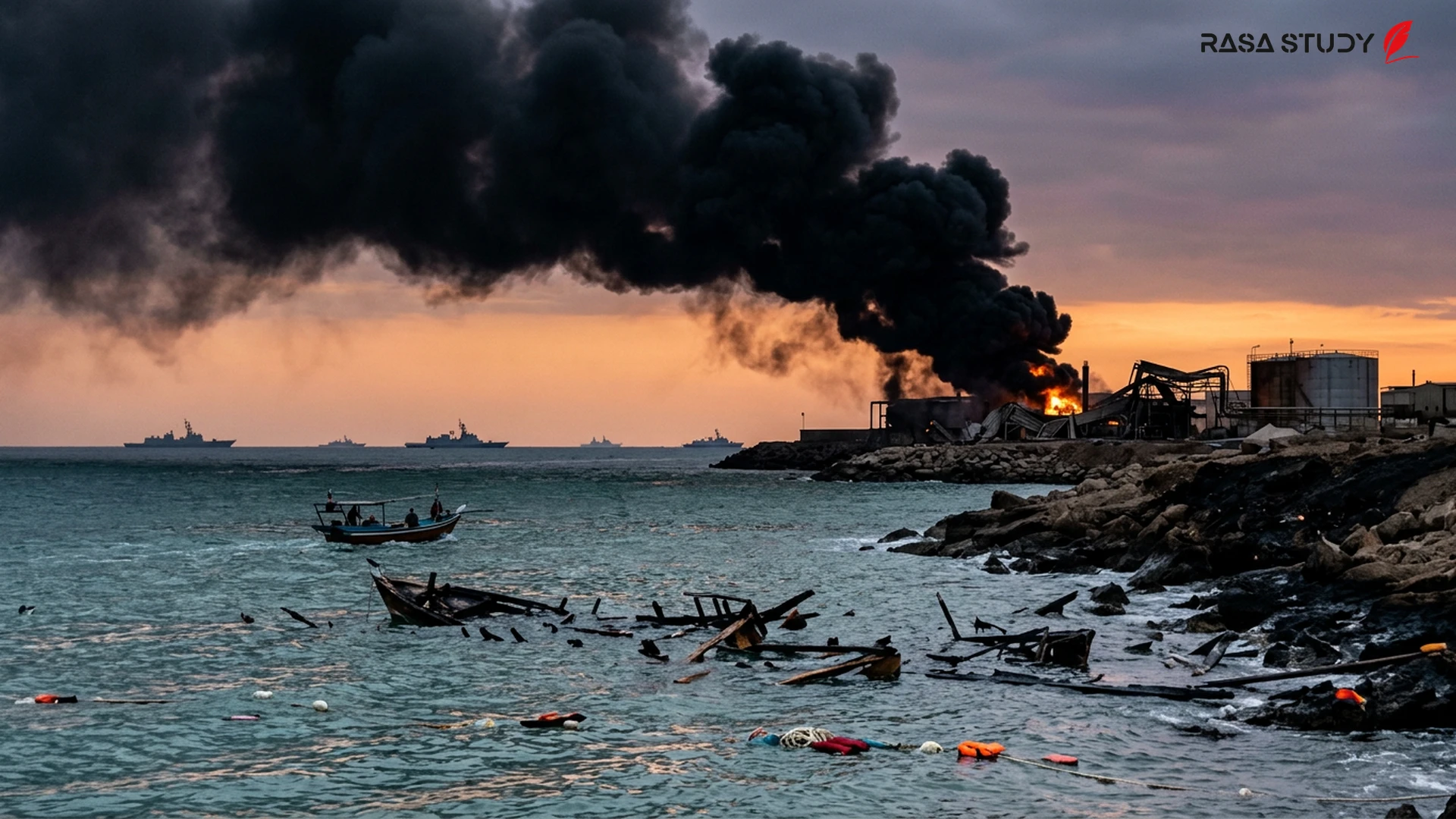
Tehran claims these attacks occurred only 25 days after the signing of the "Memorandum of Understanding to End the War," and that the United States has violated almost all provisions of this agreement [3]. According to reports published by international media, including MSN and Reuters, the US attacks targeted transportation infrastructure, fishing boats, and meteorological facilities, which Iran considers examples of "war crimes" [2][4]. The spokesperson for the Iranian Ministry of Foreign Affairs noted that the overt US interference in the security arrangements of the Strait of Hormuz has caused the return of insecurity to this strategic waterway and disrupted international shipping.
Iran's Counter-Response and Expansion of Conflicts
In response to these attacks, the Islamic Revolutionary Guard Corps announced that it had targeted US military bases in regional countries, including Kuwait, Bahrain, Jordan, and Qatar [4]. Local reports indicate explosions near the coastal cities of Bandar Abbas, Sirik, and Qeshm Island [1]. The IRNA news agency also confirmed that at least one person was killed and four others were injured following US missile attacks on a water pumping station in Mahshahr [2].
Uncertain Future of Regional Stability
US President Donald Trump, speaking to the media while defending the attacks, claimed that Washington is "punishing" Iranian forces, but simultaneously asserted that the doors for dialogue remain open [1]. However, analysts believe that given Iran's announcement of the re-closure of the Strait of Hormuz and the rise in global oil prices, the region has been pushed toward a full-scale conflict [5]. Oman, which previously played the role of mediator, reported the failure of the Muscat negotiations due to US pressure [3]. Now, with the destruction of the diplomatic achievements of recent months, stability in West Asia is at greater risk than ever before in 2026.
Military tensions between Iran and the US reached their peak in July 2026, facing diplomatic efforts with a deadlock.
linkSources
- US and Iran exchange strikes as Tehran declares strait of Hormuz closed again — The Guardian (2026-07-13)
- Foreign Ministry statement on US military aggression against Iran — Ministry of Foreign Affairs of Iran (2026-07-13)
- Iran Condemns Fresh US Attacks, Warns of Consequences — Tasnim News Agency (2026-07-13)
- U.S. hits Iran as Gulf states targeted in flare-up over Hormuz — The Hindu (2026-07-13)
- Why the Iran-US ceasefire is falling apart — Al Jazeera (2026-07-12)