Kazem Gharibabadi, Iran's Deputy Foreign Minister, strongly criticized the recent CENTCOM security meeting in Bahrain, emphasizing that sustainable security in the Persian Gulf is only possible through the withdrawal of US forces and the acceptance of new geopolitical realities.
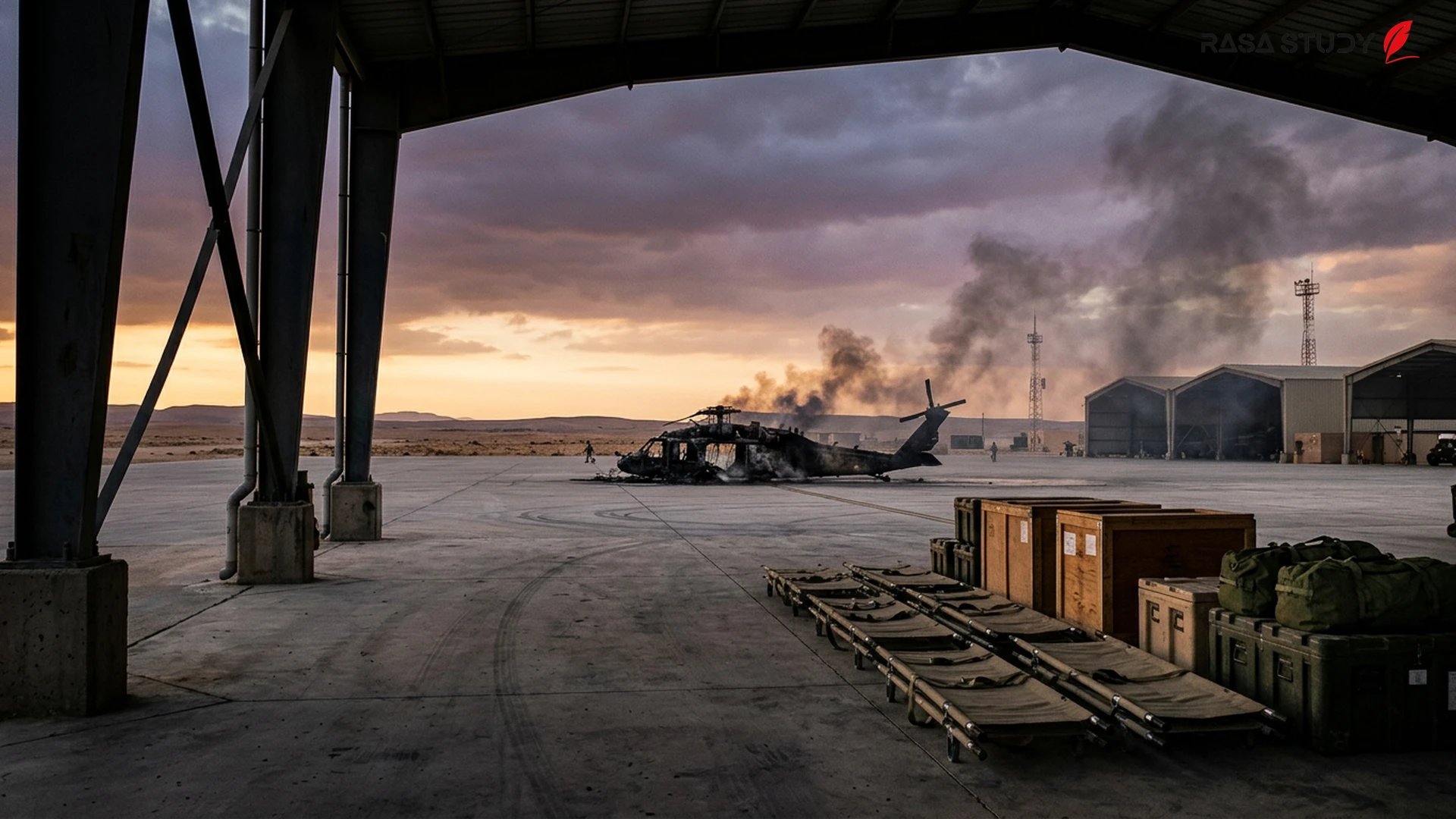
On July 2, 2026, Kazem Gharibabadi, Deputy for Legal and International Affairs of the Ministry of Foreign Affairs and Iran's senior negotiator, stated in an explicit announcement that the United States military presence in the region is the main obstacle to achieving stability. These remarks were made in response to the recent security meeting hosted by Bahrain and attended by the United States Central Command (CENTCOM), where military officials from 11 regional countries discussed maritime security [1][3].
Rejection of CENTCOM's Eligibility in Securing the Persian Gulf Gharibabadi, in a message published on the social media platform X, emphasized that US-led military meetings in Manama cannot create a legal order or sustainable security for the Persian Gulf. He clarified that regional security must be ensured "not under the US military umbrella," but through ending foreign interventions, respecting the national sovereignty of countries, and accepting new geopolitical realities [2]. This stance comes as regional media outlets such as BloombergHT have also highlighted Tehran's emphasis on the necessity of a full withdrawal of US forces as a prerequisite for security [1].
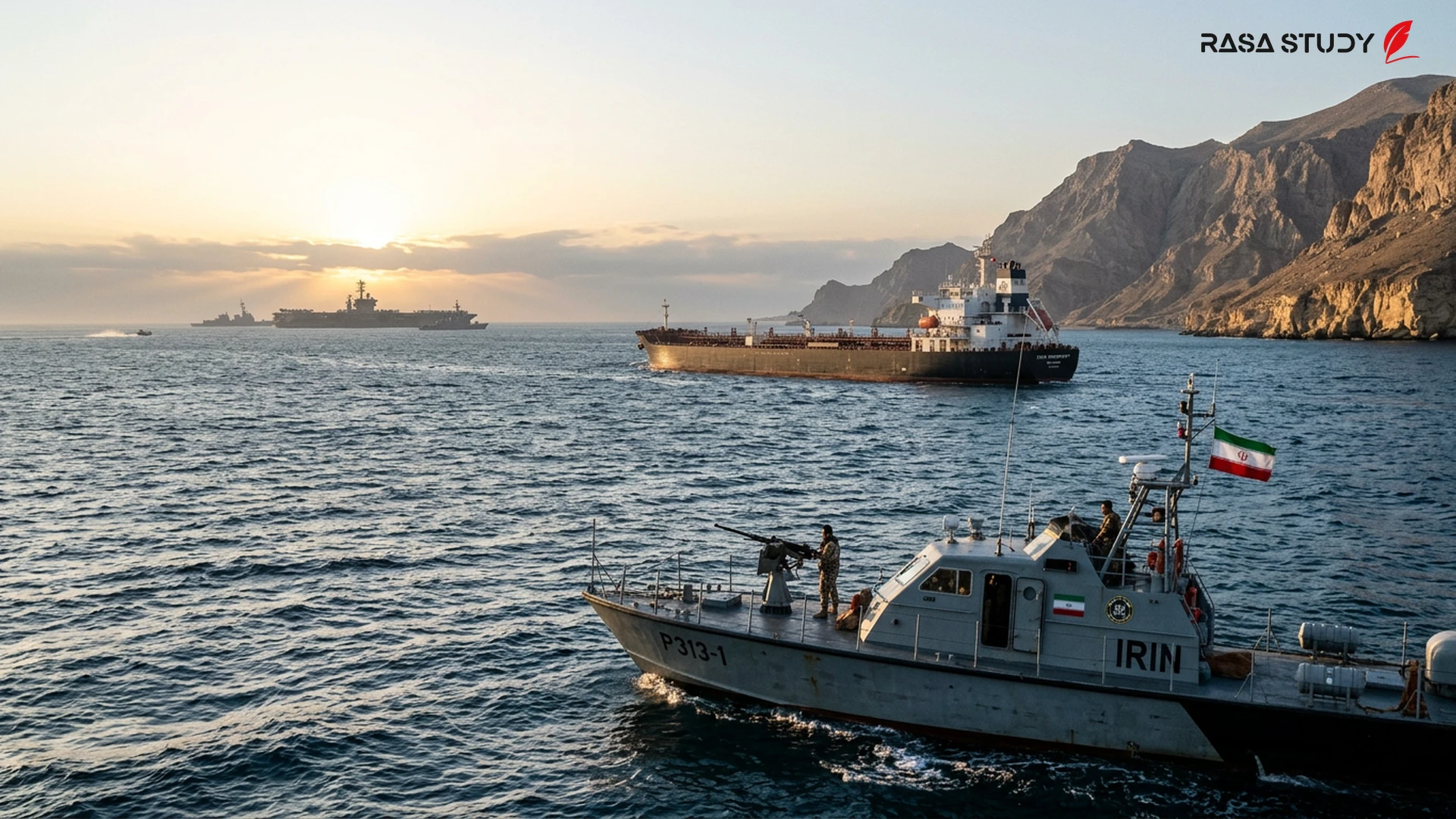
Strait of Hormuz: Under Tehran's Command, Not Washington's One of the main pillars of the high-ranking diplomat's remarks was the strategic status of the Strait of Hormuz. Rejecting CENTCOM's claims regarding the monitoring of this vital waterway, Gharibabadi noted that "the Strait of Hormuz is defined under Iran's command, not CENTCOM's" [3]. These statements are made amid reports of some American B-52 bombers halting operations and returning to their main bases after a period of military tension, although analysts believe these movements do not necessarily signify a change in Washington's military doctrine [2].
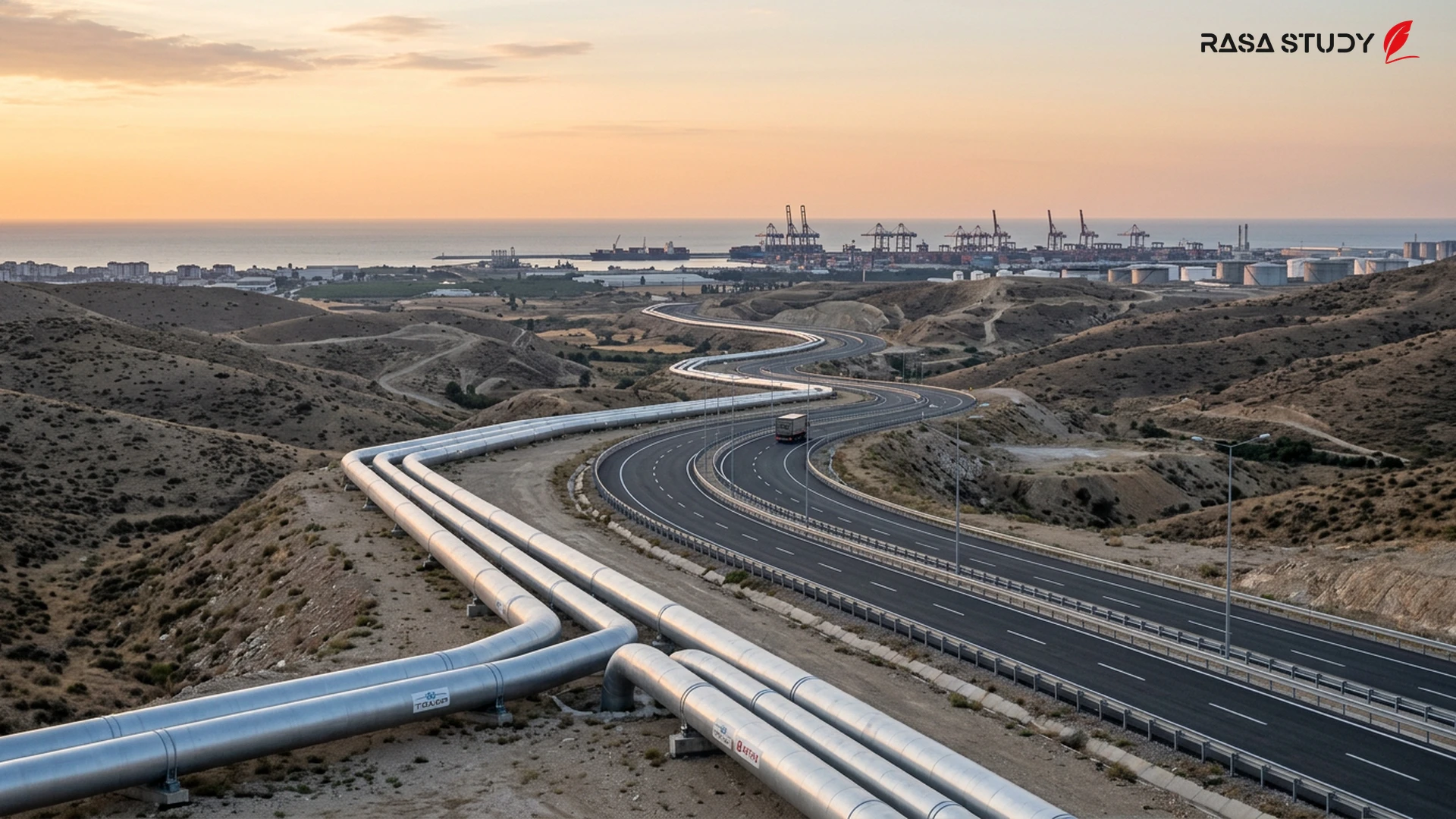
Doha Negotiations and the Shadow of Recent Tensions This sharp positioning was taken at a sensitive time; representatives of Iran and the Donald Trump administration are currently conducting indirect technical negotiations in Doha, Qatar, to reach a lasting peace agreement and reopen shipping routes [4]. Despite reported progress in the talks, Tehran continues to insist on its right to control transit routes in the Strait of Hormuz and receive transit fees, an issue that has faced opposition from the United States and some Arab countries in the Persian Gulf [4].
Regional Security Outlook As Iran prepares for the historic funeral of the "Martyr Leader of the Revolution" in the coming days, the country's diplomatic apparatus emphasizes maintaining national cohesion and advancing the "endogenous security" doctrine [3]. From Tehran's perspective, any new security architecture in West Asia must be formed without the presence of trans-regional powers and with the direct participation of Persian Gulf littoral states to prevent a recurrence of the military conflicts of recent years [2].
Iran once again emphasized the need for the withdrawal of trans-regional forces to ensure the security of the Persian Gulf.
linkSources
- İran: Bölgenin güvenliği, ABD'nin bölgeden çekilmesiyle sağlanabilir — Bloomberg HT (2026-07-02)
- Hormuz Strait Is Defined under Iran's Command, Senior Diplomat Emphasizes — Tasnim News Agency (2026-07-02)
- غریب آبادی: تنگه هرمز زیر فرمان ایران تعریف میشود نه سنتکام — Al-Alam (2026-07-02)
- U.S. and Iran enter technical talks to secure peace deal — The Hindu (2026-07-01)