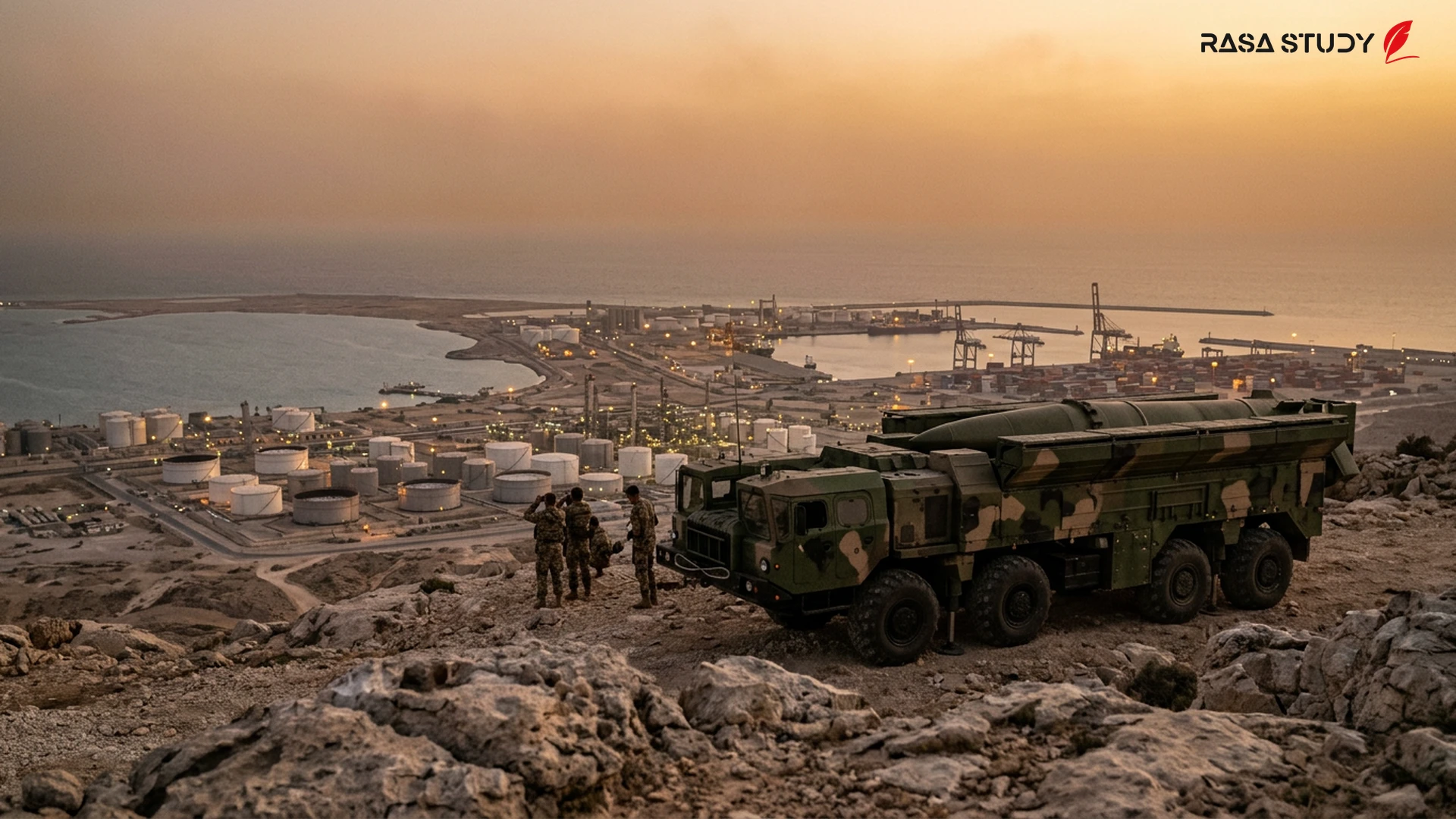
Mohammad Bagher Zolghadr, Secretary of Iran's Supreme National Security Council, issued a statement warning that the Zionist regime will not be safe from the retaliatory responses of Iran's armed forces. These remarks come amidst the violation of the temporary ceasefire and recent attacks.
Escalation of Tensions and the End of the Temporary Ceasefire As the Middle East experiences one of its most critical periods, Mohammad Bagher Zolghadr, Secretary of Iran's Supreme National Security Council, announced on Friday, July 10, 2026, that the Zionist regime will be the primary target of Iran's retaliatory responses [1]. This warning was issued after U.S. President Donald Trump declared that the temporary ceasefire agreement signed in mid-June has effectively ended due to recent attacks on commercial vessels in the Strait of Hormuz [5].
According to Iranian officials, any attack on the country's vital infrastructure will be met with a reciprocal and crushing reaction. Zolghadr emphasized that the "criminal Zionist regime," which is the main instigator of these hostile actions, will not be immune to the consequences of the response from Iran's fighters [2]. These statements indicate a shift in Tehran's tone toward a more direct confrontation if the attacks continue.
Targeting Critical Infrastructure In recent days, reports have emerged of U.S. airstrikes on several cities in southern Iran, as well as the targeting of railway bridges in the northeast of the country [3]. Washington claims these attacks were carried out in response to Iranian threats against international navigation in the Strait of Hormuz. However, Tehran views these attacks as a clear violation of its national sovereignty and an attempt to undermine internal security during the sensitive period following the passing of the late Leader of the Revolution [4].
In his statement released through state media, Zolghadr clarified: "As we previously announced, any aggression against energy infrastructure, power plants, and desalination facilities will be met with a proportionate response, and the occupying regime will be at the heart of this response" [4].
Israel's Role in the Recent Crisis Although the United States has taken direct responsibility for many of the recent attacks, Iranian security officials believe the Zionist regime plays a key role in designing and provoking these operations. Unofficial reports indicate explosions near the Bushehr nuclear facility, which some sources attribute to joint U.S.-Israeli operations [3].
Israel Katz, the Defense Minister of the Zionist regime, also stated in response to Tehran's threats that Tel Aviv is ready to resume its military campaign with greater intensity against Iranian targets if necessary [4]. This verbal and military confrontation has increased concerns about the occurrence of a full-scale regional war.
Diplomatic Efforts Under the Shadow of Threat Despite the prevailing wartime atmosphere, diplomatic efforts to prevent the total collapse of negotiations continue. Qatari mediators arrived in Tehran on Saturday, July 11, 2026, to find a way to reduce tensions and return to the negotiating table [5]. On the other hand, Turkish President Recep Tayyip Erdoğan has warned that the Zionist regime should not be allowed to derail peace agreements between Iran and the United States through its provocative actions.
While some Iranian officials have privately messaged Trump's team that the recent attacks in the Strait of Hormuz were due to internal lack of coordination and expressed a desire to continue talks, official statements continue to emphasize military readiness and a harsh response [5]. The coming days will be vital for determining the fate of security in the Persian Gulf and the Mediterranean.
Iranian security officials emphasized that any attack on vital infrastructure will be met with a direct response against Israel.
linkSources
- İran: Vereceğimiz karşılıktan işgal rejimi muaf olmayacak — Doğruhaber (2026-07-10)
- Iran says it will respond against Israel if infrastructure attacked — Middle East Eye (2026-07-10)
- Security official: Iran will respond against Israel if infrastructure attacked — Arab News (2026-07-10)
- Iran: Israel will 'not be spared' in future attacks — Jerusalem Post (2026-07-10)
- Iran privately told Trump advisers 'they made a mistake' in shooting at ships — CBS News (2026-07-11)


