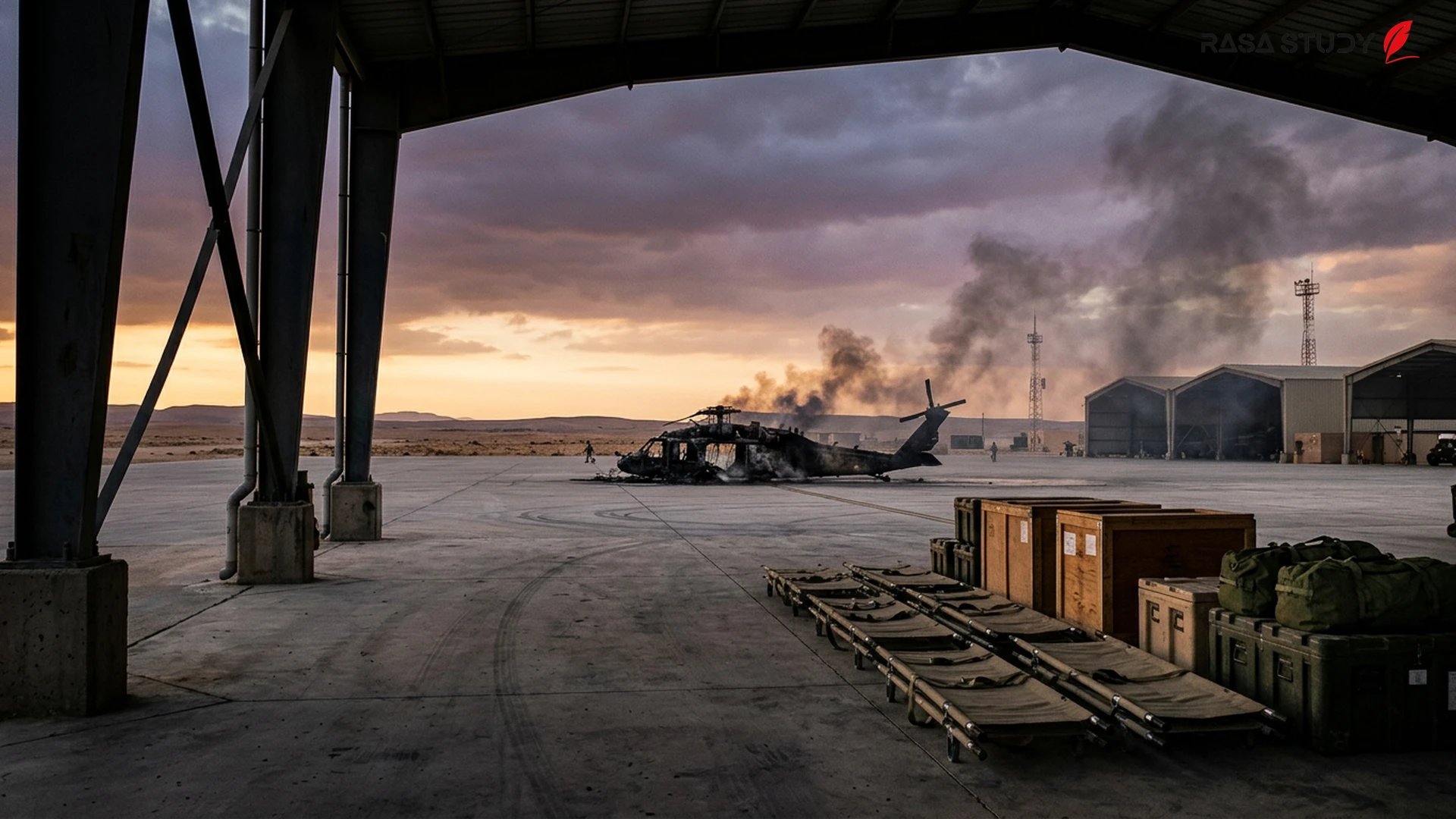
As military confrontations between the United States and Iran resumed in July 2026, Israel launched extensive attacks on South Lebanon in violation of the ceasefire agreement, pushing the region to the brink of a major explosion.
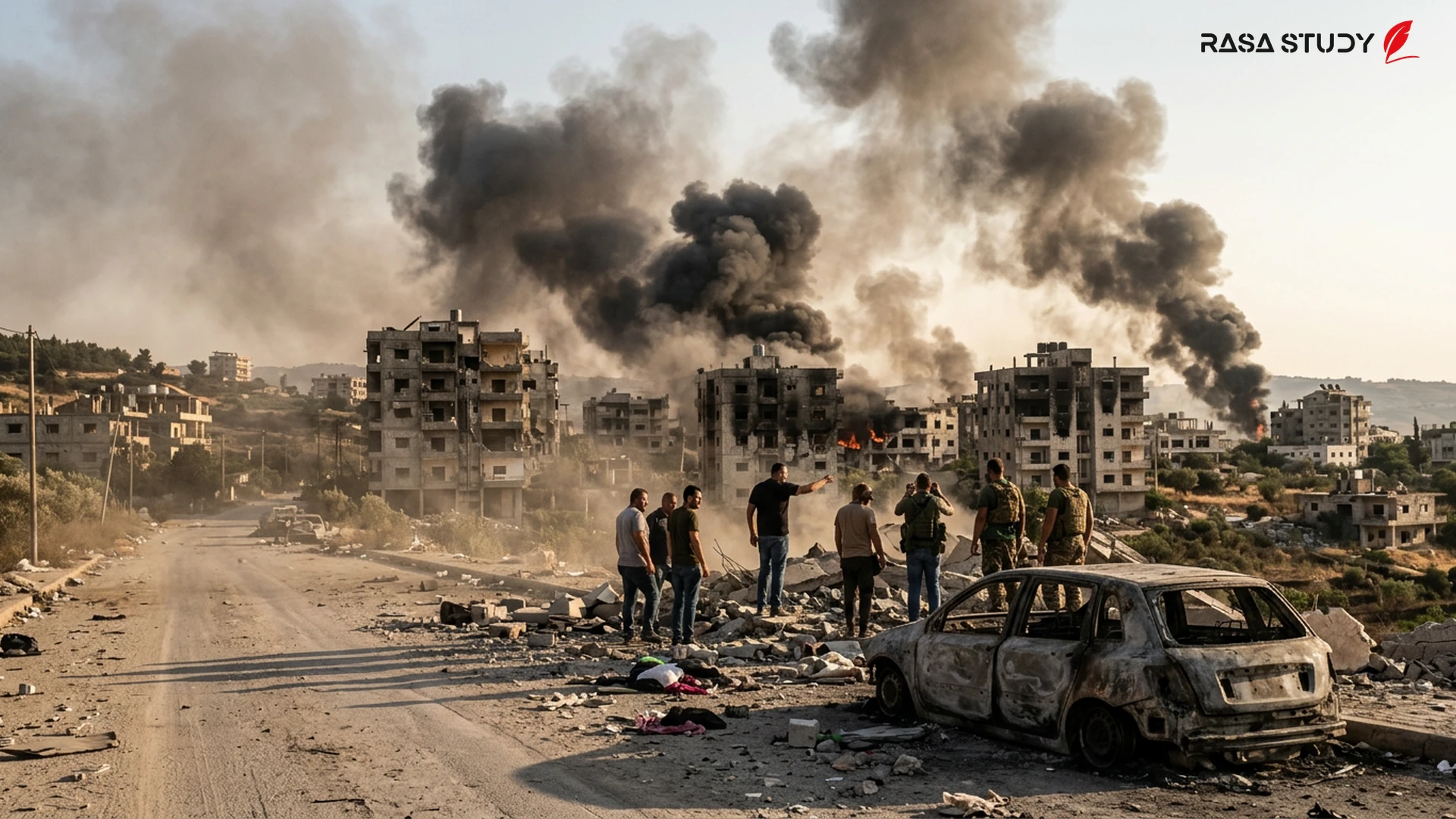
Escalation of Tensions and Collapse of the Ceasefire on Northern Borders While the world watches the direct military confrontation between the United States and Iran, the Israeli army, exploiting this tense atmosphere, completely violated the ceasefire agreement signed on June 26, 2026. Field reports indicate that Israeli forces have begun large-scale demolition operations in southern Lebanese areas, particularly in the town of Khiam [1]. These attacks, involving successive and targeted explosions of civilian infrastructure, indicate a shift in Tel Aviv's strategy toward creating uninhabitable zones near the borders.
Key Role of US-Iran Conflicts in Israeli Boldness According to analyses by the Strategic Thinking Institute (SDE), Israel has been emboldened by the collapse of the June memorandum between Washington and Tehran. After US President Donald Trump announced on July 8 that the ceasefire with Iran had ended and ordered strikes on more than 90 targets inside Iranian territory, Israel immediately expanded its operations in Lebanon [3][4]. Security officials believe that US involvement in the Persian Gulf and the Strait of Hormuz has provided the necessary political and military cover for Israel to reignite the Lebanese front without fear of international pressure.
Details of Airstrikes and Civilian Casualties Reports from the National News Agency (NNA) show that Israeli army drones, in their latest crime, targeted a garbage truck on the outskirts of the towns of Shoukin and Kfar Dajjal, resulting in several civilian injuries [1]. In Nabatieh, missile strikes led to the deaths of at least two young men [2]. While Israel claims to target only Hezbollah infrastructure, field evidence shows extensive destruction of residential homes and medical centers [2][4].
Reactions and Dark Prospects for Peace Israeli Defense Minister Israel Katz, repeating his hardline positions, stated that his country's army does not need permission from any party to continue operations in Lebanon and is ready to continue attacks with greater force [4]. This situation occurs simultaneously with the funeral of the late Iranian leader in Mashhad, which has become a factor in intensifying anti-American and anti-Israeli sentiments in the region [3]. Given the practical withdrawal of the US from its role as a mediator and its focus on direct conflict with Iran, it appears the June 2026 diplomatic agreements have completely collapsed, and the region has entered a new phase of wars of attrition.
Israeli army demolition operations in the Lebanese town of Khiam coinciding with escalating regional tensions.
linkSources
- Lübnan’a Saldırı — Stratejik Düşünce Enstitüsü (SDE) (2026-07-10)
- 2 killed in Israeli drone strike in southern Lebanon despite ceasefire — Anadolu Agency (2026-07-08)
- The US and Iran traded retaliatory strikes on Thursday — The Guardian (2026-07-09)
- What to know about the Iran war today — CBS News (2026-07-10)