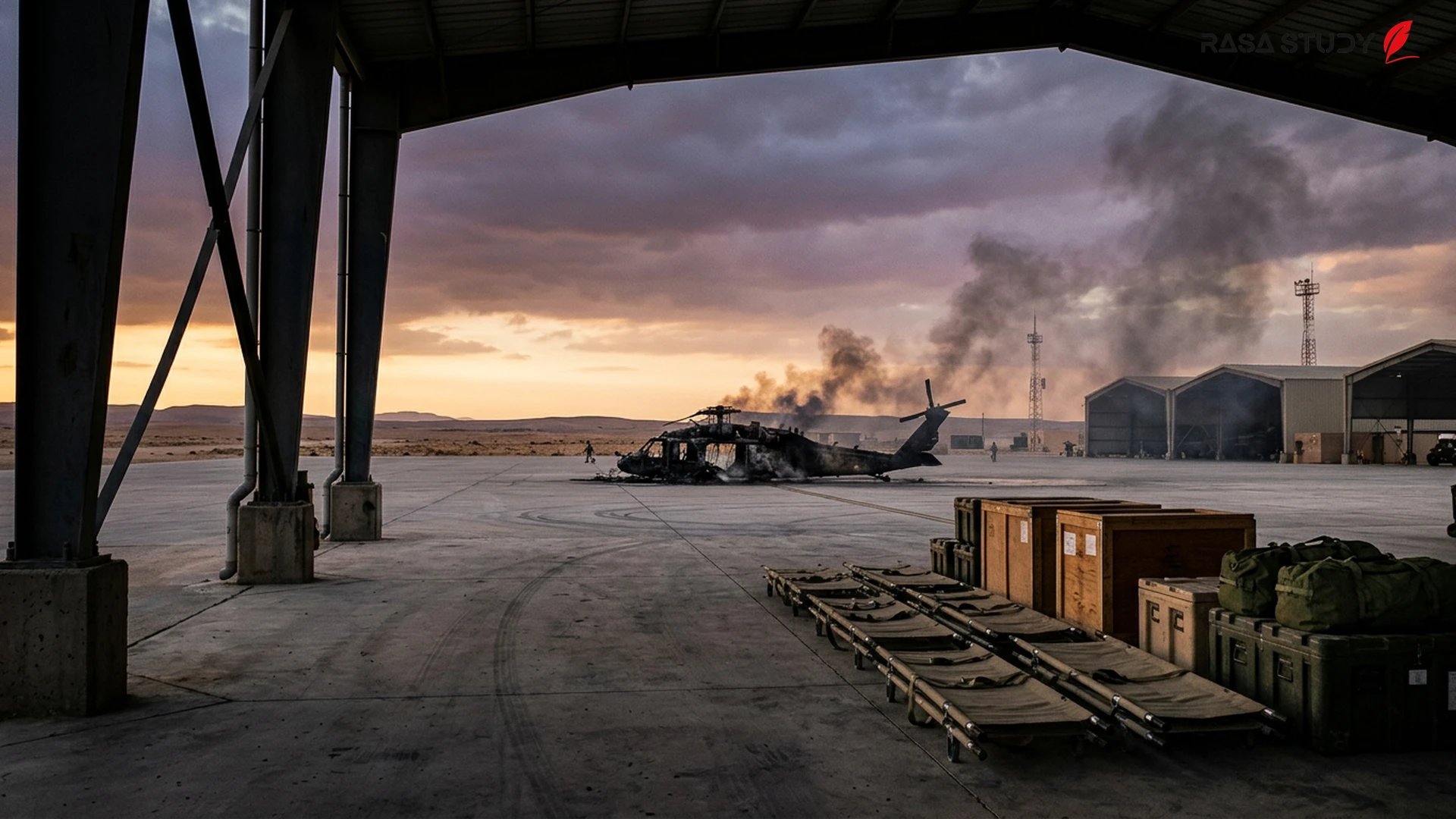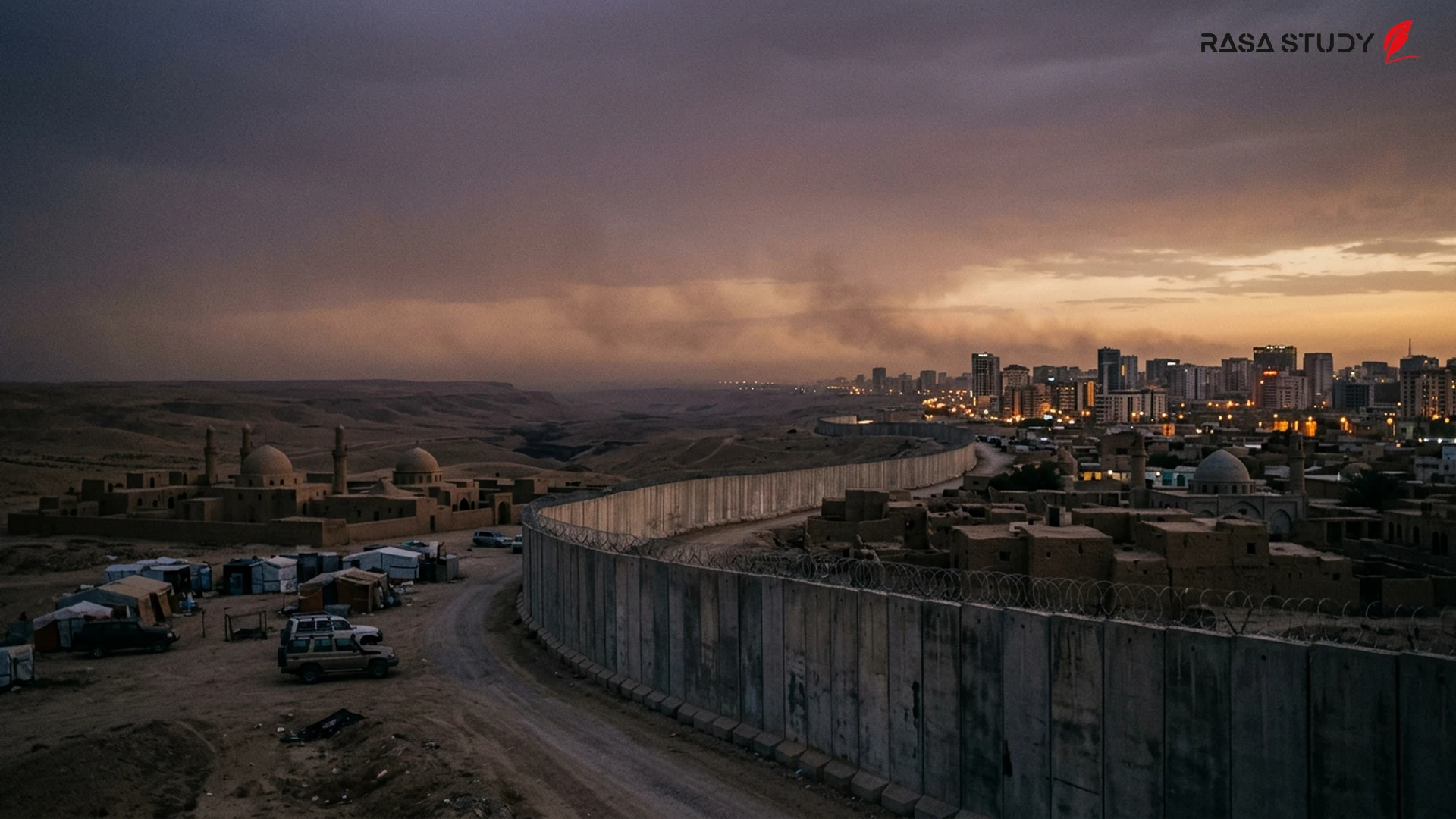
Recent reports from regional analysts and reputable media indicate that the Israeli government and some influential clerics in Iran, despite international pressure, view peace as detrimental to their political and ideological interests.
While the Middle East region remains embroiled in diplomatic and military tensions in late June 2026, the newspaper *Türkiye Gazetesi* has examined the main obstacles to peace in a controversial report. This report emphasizes that contrary to the will of the nations, the power structures within the Israeli government and specific religious circles in Iran see their survival in the continuation of a "neither war nor peace" status quo [1].
Türkiye Newspaper's Analysis of the Peace Deadlock The newspaper *Türkiye* claims that a strategic but unwritten alignment has formed between hardliners on both sides. According to this analysis, the current Israeli government needs a powerful foreign enemy to keep public opinion united and escape domestic crises and legal cases. On the other hand, some hardline clerics in Iran also exploit the atmosphere of confrontation to strengthen ideological discourse and justify their regional policies [1][2]. These two currents perceive peace as a threat to their political existence.
Survival Strategy in Tel Aviv The Israeli government has faced a wave of domestic protests in recent months. International analysts believe that fueling fear of Iran is an effective tool for maintaining fragile government coalitions in Tel Aviv [3]. Any real diplomatic opening could lead to a return of focus to domestic issues and the potential defeat of the government in upcoming elections. Therefore, maintaining a state of crisis with Iran has been placed on the agenda as a false security priority.
The Role of Hardline Circles in Tehran In Tehran as well, some hardline religious and political figures interpret any inclination toward de-escalation as a retreat from revolutionary ideals. This group believes that their existence is tied to the concept of "Resistance," and lasting peace could weaken their influence within the power structure [1]. Field reports indicate that these circles, by influencing decision-making bodies, prevent the diplomatic initiatives of regional mediators from coming to fruition.
Consequences of Continued Tension for the Region The continuation of this situation has not only jeopardized the region's economic stability but also increased the likelihood of unintended conflicts. While international actors in June 2026 attempt to find a way to reduce tensions, the solid wall of hardliners in both capitals has dimmed hopes for a peaceful Middle East [2][3]. Experts warn that as long as the political interests of these groups are not tied to peace, the region will not witness true tranquility.
Analysts believe hardliners on both sides use the continuation of the crisis to maintain their power.
linkSources
- İsrail devleti ve İran’daki bazı mollalar barış istemiyor — Türkiye Gazetesi (2026-06-28)
- Middle East at a Crossroads: The Hardliners' Agenda — Al Jazeera (2026-06-27)
- The Shadow War: Why Peace is Sidelined in June 2026 — Reuters (2026-06-25)