Prominent analyst Murat Ali, in a column for Independent Turkish, examines the devastating dimensions of the recent war between Iran and Israel, arguing that this conflict has pushed the Middle East toward an irreversible stage of geopolitical transformation.
On July 18, 2026, the Middle East is grappling with the aftermath of one of the largest military conflicts in recent decades, as analysts believe the old regional order has vanished forever. Murat Ali, a lawyer and author, dissected this vital question in the first episode of his new analytical program titled "Beyaz Gömlek" (White Shirt) on Independent Turkish: "Has the Iran-Israel war changed the world?" [1].
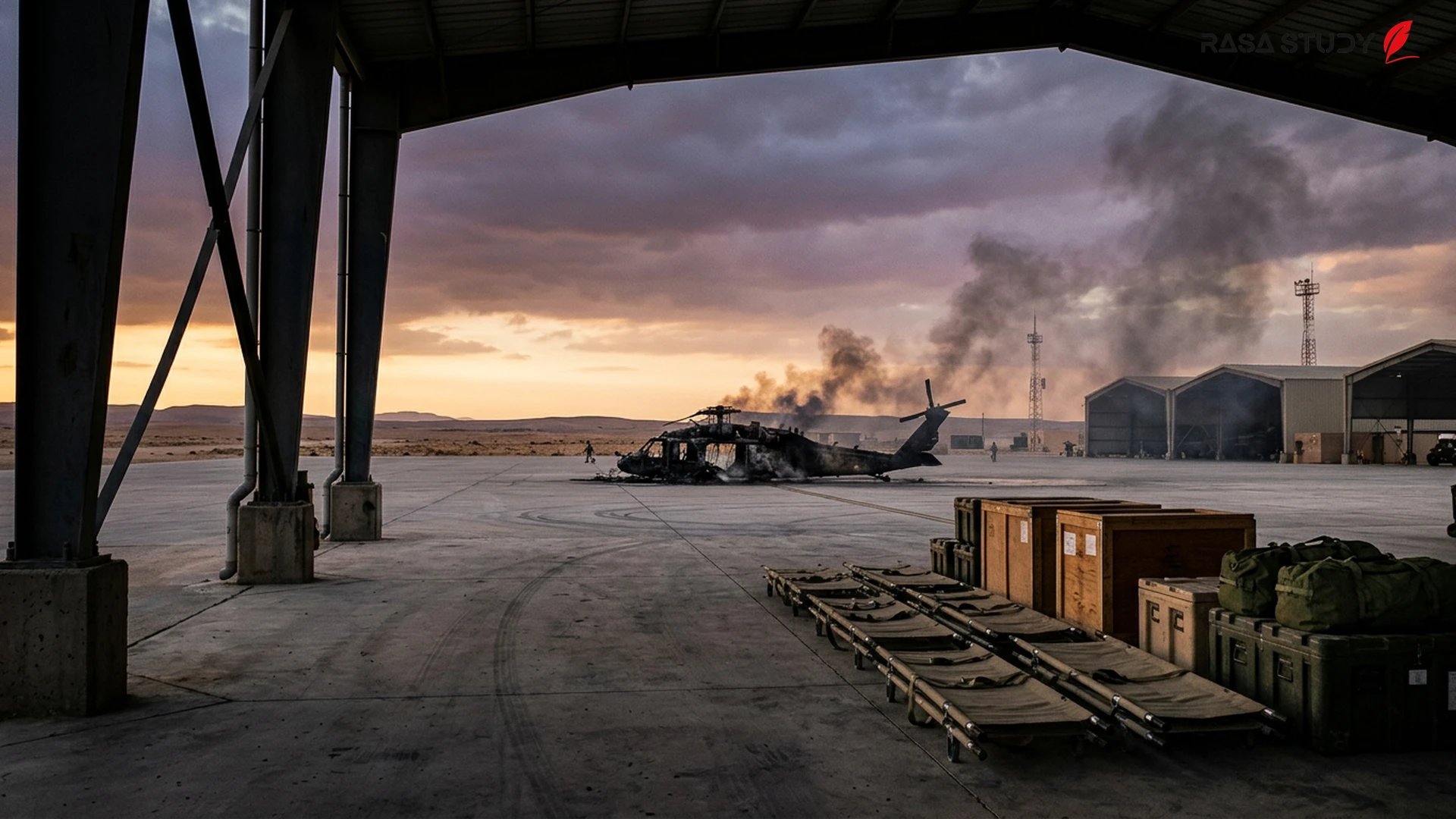
The Beginning of an End: A Rupture in the Traditional Order This conflict, which began with the so-called "Operation Epic Fury" on February 28, 2026, involved extensive airstrikes on strategic infrastructure and power centers in Iran [2]. Murat Ali emphasizes that this war was not merely a military confrontation between two actors, but a spark for a complete redefinition of the balance of power at the international level. He describes this situation as an "irreversible rupture" where old alliances have collapsed and regional players are seeking new alternatives for their security [1].
Shifting Positions of the Gulf States One of the most significant aspects of Murat Ali's analysis is the change in behavior among the Arab states of the Persian Gulf. Following retaliatory attacks and insecurity in transit routes, these countries are now maneuvering with greater caution between Washington, Tel Aviv, and Tehran. According to him, regional countries have realized that absolute reliance on the Western security umbrella no longer guarantees their safety against modern warfare [1]. This shift in perspective has led to the emergence of an "asymmetric diplomacy" where economic interests take precedence over political ideologies.
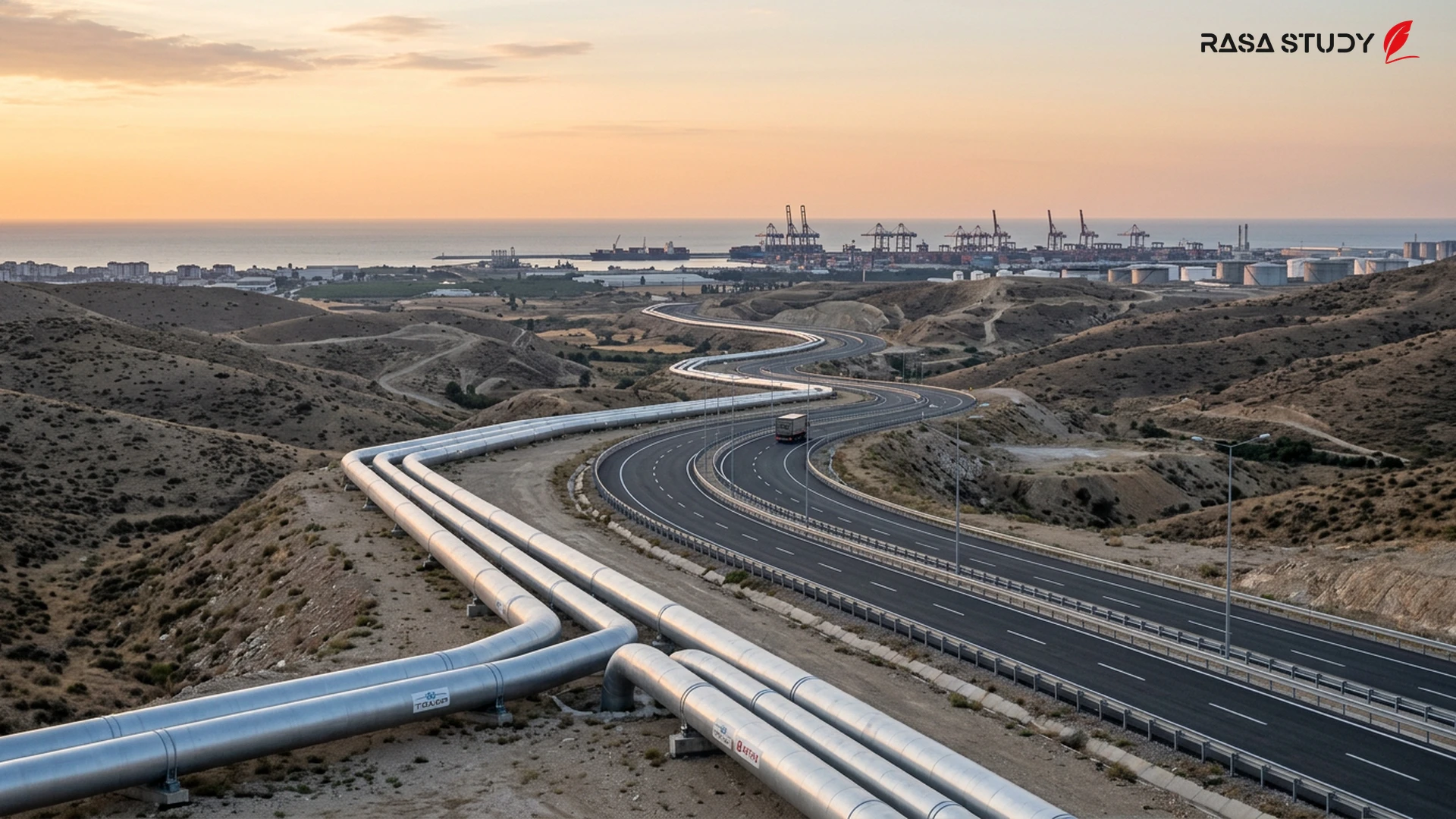
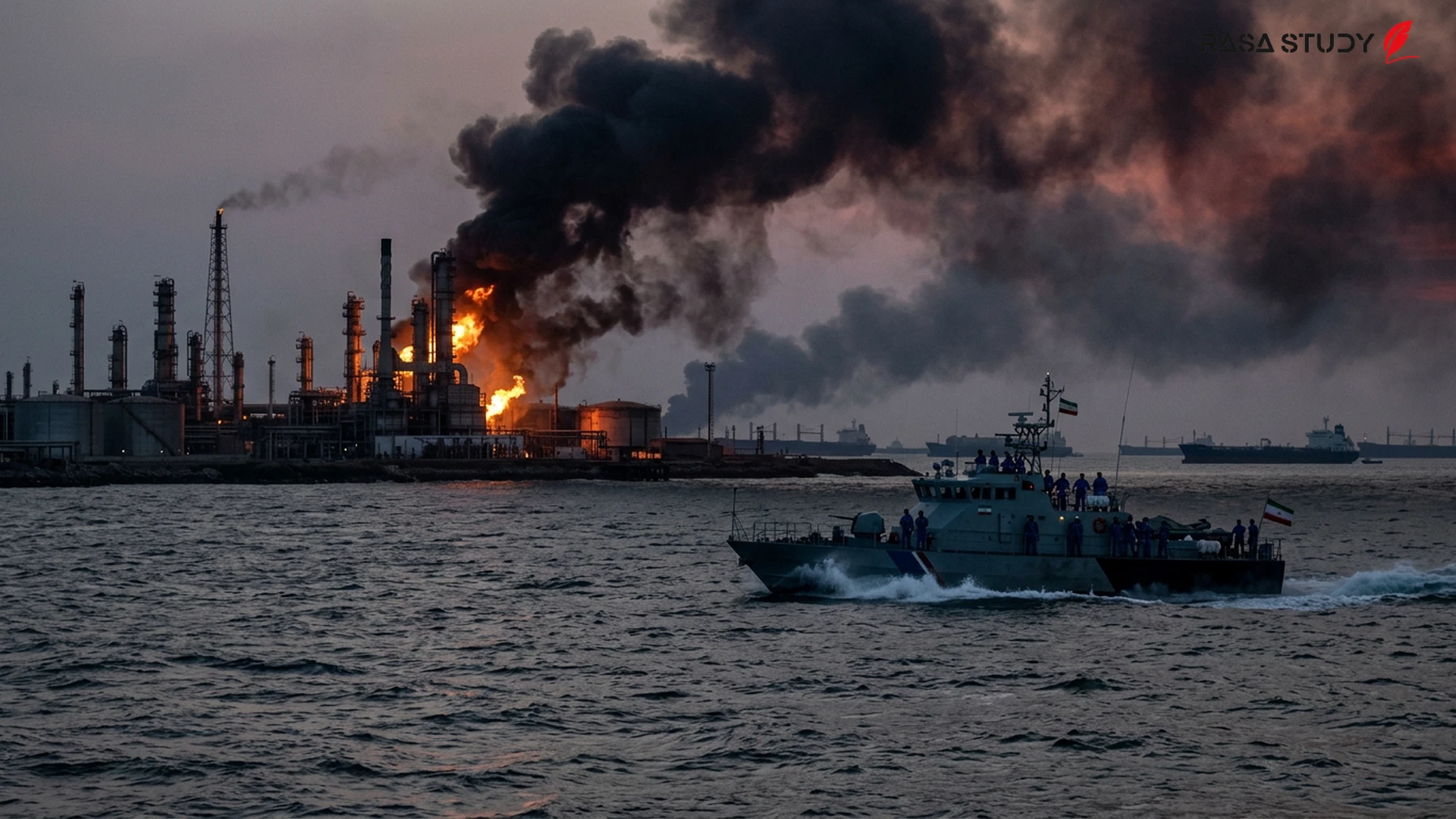
Energy Security and the Strait of Hormuz at the Center of the Crisis The crisis in the Strait of Hormuz and the disruption of oil and Liquefied Natural Gas (LNG) exports have subjected the global economy to successive shocks [3]. In his analysis, Murat Ali points out how the Iran-Israel war has turned energy security into a tool for political pressure. He believes that even with temporary ceasefires, global market confidence in the stability of this region has been severely damaged, accelerating the movement of major powers toward alternative sources and shifting trade routes [1].
The New Equation: USA, Israel, Iran, and China Ultimately, this war has led to a more serious entry of China into Middle Eastern security equations. While the United States, led by Donald Trump, emphasizes military pressure and naval blockades, Beijing plays the role of an economic mediator [2][3]. Murat Ali believes that the Middle East has now become the primary stage for great power competition, and any future stability will require a comprehensive agreement that extends beyond the borders of Iran and Israel. He warns that without a new security architecture, the region will remain trapped in a cycle of attritional conflicts [1].
Analysts believe the 2026 war between Iran and Israel has transformed the power structure in the Middle East forever.
linkSources
- İsrail-İran savaşı dünyayı değiştirdi mi? Ortadoğu'da geri dönüşü olmayan kırılma — Independent Türkçe (2026-07-18)
- 2026 Iran war: Operation Epic Fury and its Aftermath — Britannica (2026-07-14)
- The Strategic Impact of the Strait of Hormuz Closure — Columbia University CGEP (2026-07-08)