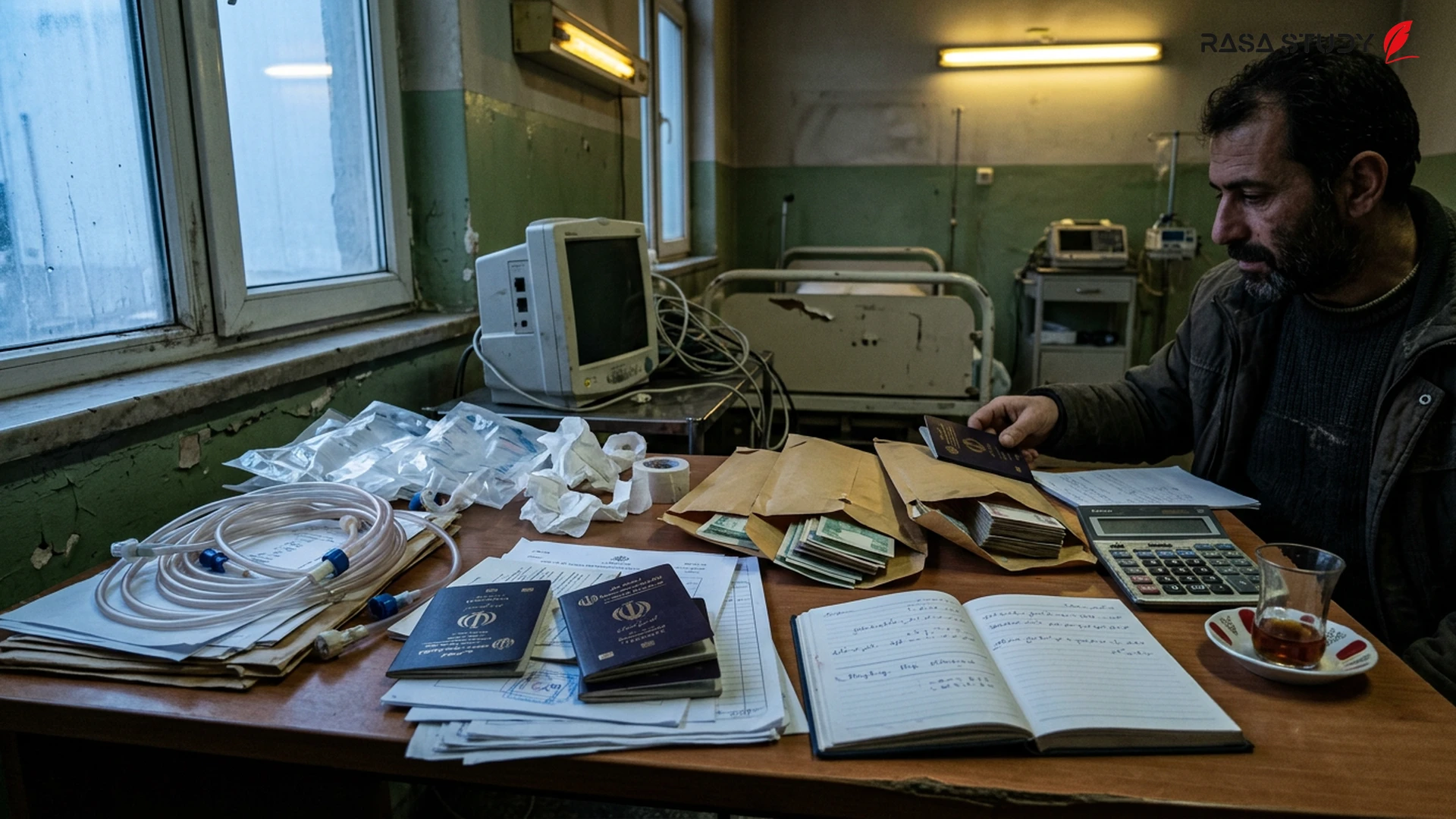
Prominent investigative journalist Murat Ağırel, in his new report in Cumhuriyet newspaper, has revealed the extensive dimensions of kidney transplant fraud between Iran and Turkey, shedding light on the dark corners of this illegal trade.
Murat Ağırel's New Revelation in Cumhuriyet Newspaper On July 11, 2026, Murat Ağırel, the renowned Turkish investigative journalist, addressed a sensitive and shocking issue in his column in Cumhuriyet newspaper: "Kidney fraud from Iran to Turkey." Ağırel revealed in this report how organized networks have launched a dangerous black market by exploiting the economic situation and the urgent needs of patients [1]. The report shows that intermediaries receive huge sums of money from Iranian nationals by promising legal kidney transplants in Turkey, but ultimately trap them in fraud and life-threatening risks.
Tactics of Smuggling and Fraud Networks According to Ağırel's investigation, these networks primarily identify their victims through social media and messaging apps. They gain the trust of patients by forging medical documents and claiming to have connections with private hospitals in Turkey. However, Turkish laws regarding organ transplantation are very strict, and transplants among foreign nationals are only possible under specific conditions and with the approval of ethics committees [3]. Fraudsters attempt to perform illegal operations by bypassing these laws or providing fake identification documents, which often costs the life of the patient or the donor.
Police Operations and Increased Surveillance in Istanbul Ağırel's revelation coincides with the intensification of Turkish police activities against smuggling gangs. Just a few days before this report, on July 8, 2026, Istanbul security forces managed to dismantle a human smuggling network in a large-scale operation that used commercial vehicles for the illegal transport of individuals [2]. Although this operation was not directly related to organ smuggling, it indicates the extensive activity of gangs engaged in illegal human trade and related services on the borders of Iran and Turkey.
Human and Legal Consequences of the Black Trade in Organs Iran is one of the few countries where selling a kidney is legal under certain conditions, but this law does not include foreign nationals [3]. These legal differences and regulatory gaps at the borders have turned Turkey into a destination for illegal transplants. Ağırel warns in his report that many of these individuals, after paying large sums, not only do not receive a kidney but are also prosecuted for illegal entry and participation in a crime. He emphasizes that justice must stand against this "death trade" and that oversight of private hospitals must be doubled [1].
Murat Ağırel's report on kidney transplant fraud networks on the borders of Iran and Turkey
linkSources
- İran'dan Türkiye'ye: 'Böbrek' dolandırıcılığı - Murat Ağırel — Cumhuriyet (2026-07-11)
- بازداشت قاچاقچیان انسان در استانبول؛ ضربه پلیس به شبکههای انتقال غیرقانونی — Rasa Study (2026-07-08)
- The Global Organ Trade: Cases in Iran and China — IMUNA (2026-01-19)