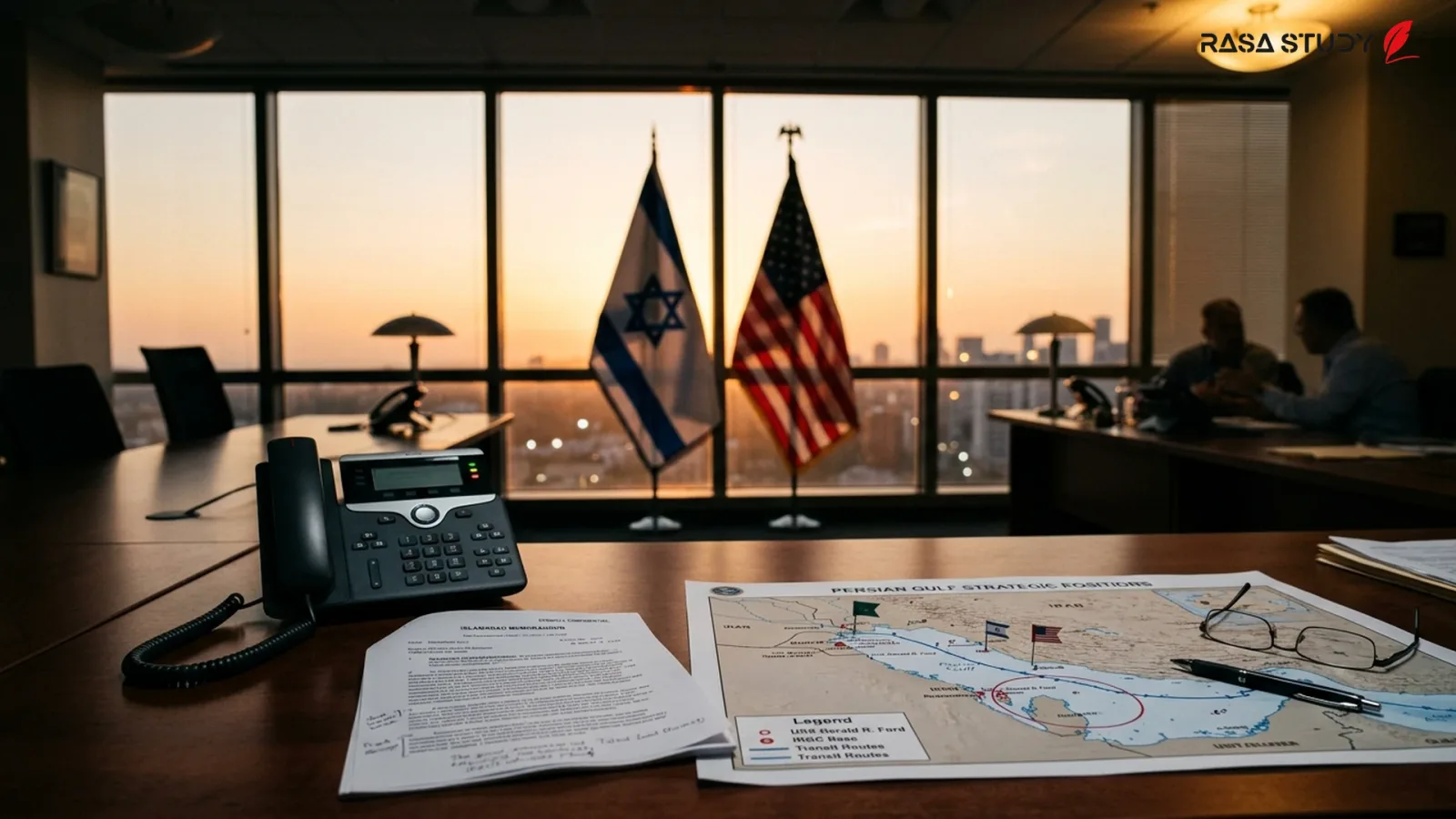
Israeli Prime Minister Benjamin Netanyahu, in a phone call with US President Donald Trump, reviewed the final details of the peace memorandum with Iran. Both leaders emphasized their shared commitment to permanently preventing Iran from becoming nuclear-armed.
Strategic Coordination on the Eve of a Grand Deal On June 12, 2026, reports indicate that Benjamin Netanyahu and Donald Trump discussed the complex process of negotiations with Iran in a telephone call. This conversation takes place as the region stands on the brink of a major diplomatic transformation after months of military conflict. Netanyahu announced after the call that he and President Trump are in "full agreement" regarding the necessity of preventing Iran from obtaining nuclear weapons [1]. This high-level coordination reflects Washington's efforts to reassure its primary regional ally before finalizing any document with Tehran.
The Islamabad Memorandum: A Framework for Peace Negotiations, which have reached their final stages through active Pakistani mediation, have led to the drafting of a document known as the "Islamabad Memorandum" [2]. According to published reports, this agreement includes a 60-day negotiation period to reach a comprehensive nuclear treaty. In exchange, the United States has committed to lifting the naval blockade of Iranian ports and releasing approximately $24 billion of the country's frozen assets [3]. Abbas Araghchi, Iran's Foreign Minister, confirmed that the parties have never been this close to a final agreement, although Trump expressed dissatisfaction with certain news leaks from Iranian media [4].
Israeli Security Concerns and Netanyahu's Conditions Despite the announcement of full coordination, the Israeli government remains suspicious of Tehran's long-term intentions. Netanyahu emphasized in his official statement that "as long as I am Prime Minister, Iran will not achieve nuclear weapons" [1]. Israel insists that any new agreement must include extremely strict and permanent verification mechanisms, rather than the time-limited restrictions present in previous deals. Furthermore, Israeli defense officials have clarified that even if an agreement is signed, they will not withdraw from the "security zones" established in Lebanon and Gaza to ensure that proxy groups do not rebuild their military capabilities [2].
Regional Outlook and International Reactions Global markets have reacted positively to the possibility of peace, with oil prices facing a noticeable decline [3]. However, the path ahead remains fraught with serious challenges. Trump has announced that the memorandum will likely be signed in Europe in the coming days, but simultaneously warned that if Iran does not adhere to its commitments, it will face the harshest possible reactions [4]. This simultaneous "pressure and diplomacy" approach forms the core of the Trump administration's strategy in 2026, aimed at redrawing the security map of the Middle East [5].
Netanyahu and Trump reviewed the details of a potential deal with Iran in a decisive call.
linkSources
- Netanyahu: 'Iran will not have nuclear weapons' — JNS (2026-06-12)
- Live Updates: 'Final, agreed upon text' of U.S.-Iran peace deal has been reached — CBS News (2026-06-12)
- West Asia War LIVE: Abbas Araghchi says draft U.S. deal includes ending naval blockade — The Hindu (2026-06-12)
- Trump fumes at 'dishonorable' Iranians amid leaks on emerging deal — Times of Israel (2026-06-12)
- 2025–2026 Iran–United States negotiations — Wikipedia (2026-06-12)