Today, July 5, 2026, the Middle East stands on the brink of a major metamorphosis. Following months of devastating conflict that began in February, the search for a new security architecture has become the top priority of diplomacy.
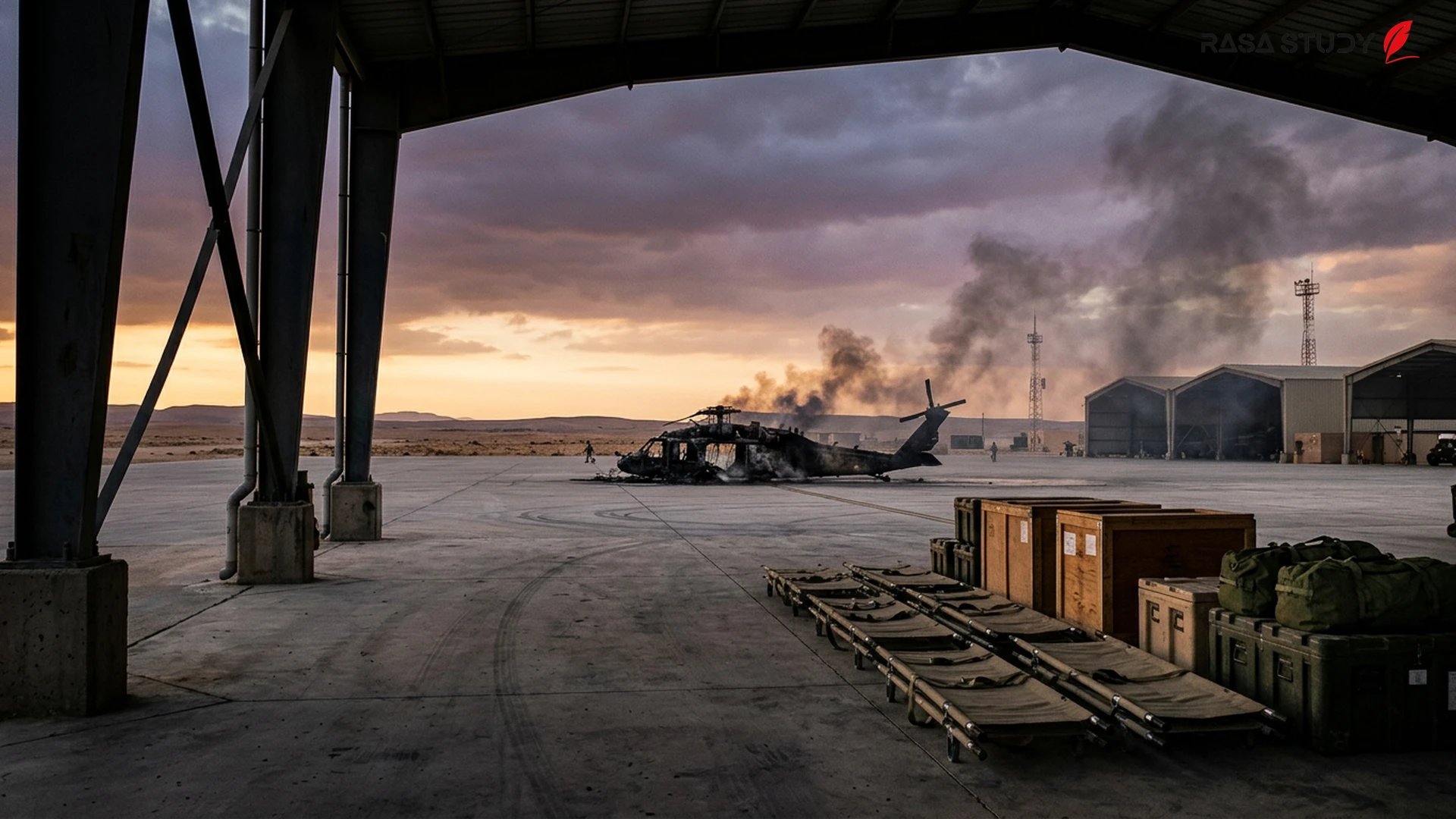
The End of Traditional Deterrence and the Beginning of Ambiguity The events of the first half of 2026, particularly the widespread military conflicts that began with operations known as "Epic Wrath" and "Roaring Lion," have shaken the Middle East security structure that had been based on a dominant United States presence for decades [1]. Analysts at "Para Analysis" believe that this war not only targeted military infrastructure but also transformed fundamental assumptions about deterrence in the region. With the deaths of senior leaders and changes in Iran's power structure, a power vacuum has been created that regional actors are moving quickly to fill [2].
The Emergence of the Power Quad: New Regional Alliances One of the most significant post-war developments is the formation of a new geopolitical bloc including Turkey, Saudi Arabia, Egypt, and Pakistan [3]. This "Power Quad," which held its first official meeting in Riyadh in March 2026, seeks to create a "Concert of Regional Powers" to secure the Persian Gulf and the Red Sea without full reliance on extra-regional powers. This alliance attempts to balance Israel's military ambitions with the need to rebuild damaged infrastructure in Iran and Lebanon [3].
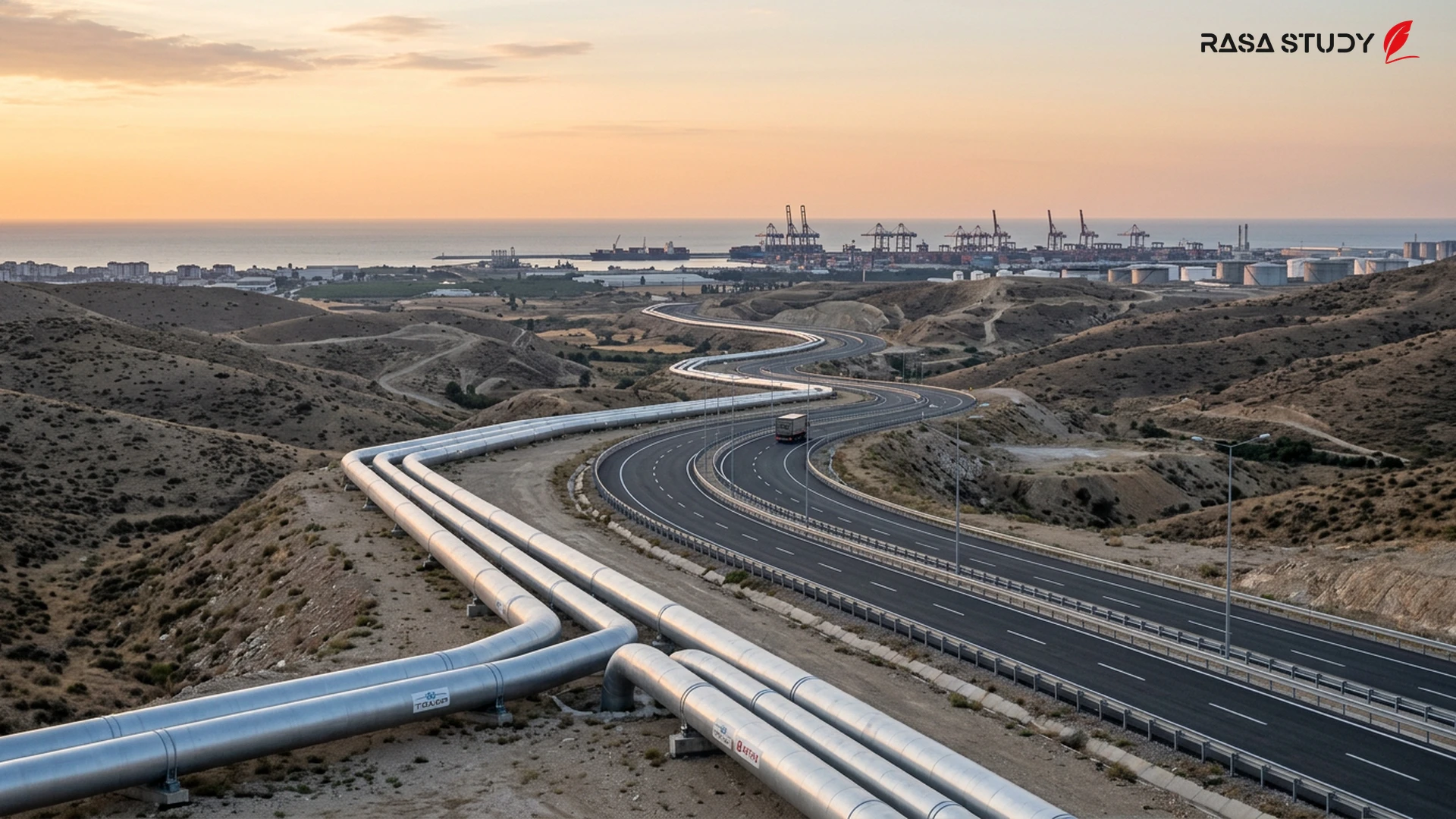
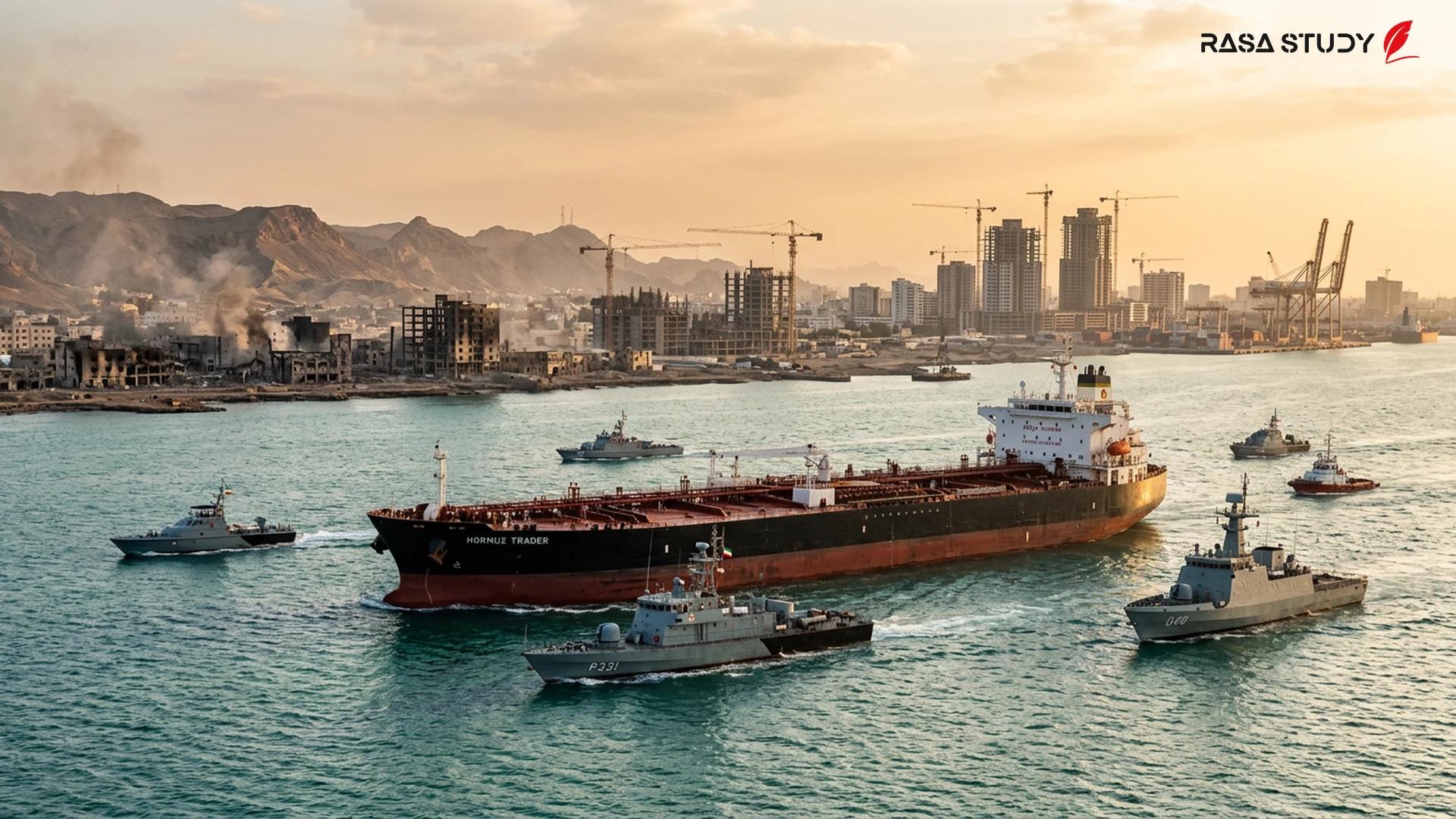
The Energy Crisis and the Security of the Strait of Hormuz The 2026 war demonstrated how much global energy security depends on political stability in the Middle East. The periodic closure of the Strait of Hormuz and attacks on oil facilities pushed Brent crude prices above $139 per barrel, subjecting global financial markets to an unprecedented shock [1]. Now, in July 2026, intensive negotiations mediated by Oman are underway for the joint management of this vital waterway. The goal of these talks is to transform the Strait of Hormuz from a military leverage tool into a zone of economic cooperation under regional supervision to prevent the recurrence of similar crises [4].
The Outlook for a New Order; From Confrontation to Cooperation While some analysts speak of the "end of the American order" in the region, the reality in July 2026 points to a complex multipolar order. Israel seeks to expand the Abraham Accords into a formal defense alliance, while Gulf countries emphasize inclusive diplomacy and Iran's return to global markets under new security guarantees [2]. The success of this new security architecture will depend on the ability of actors to transition from a "zero-sum game" mentality to models of collective security cooperation, where the security of one does not come at the expense of another's insecurity.
Meeting of regional leaders to lay the foundation for a new security architecture in the post-2026 war era
linkSources
- Küresel güvenlik mimarisi 2026 analizi — Para Analiz / Yeni Mesaj (2026-07-05)
- The New Middle East: Power, Perception, and Order After the Iran War — Small Wars Journal (2026-06-15)
- A new geopolitical bloc forming in the Middle East — IISS (2026-05-06)
- The Day After Tehran: Who Will Shape the New Middle East? — Times of Israel (2026-03-15)