New economic reports indicate that the purchasing power of Turkish expatriates in their homeland has plummeted over the last three years; a phenomenon driven by inflation outstripping the growth rate of foreign currencies.
As the 2026 summer travel season begins, many Turkish expatriates returning from European countries are facing a harsh reality: Turkey is no longer the affordable destination it once was. According to analysis published by the media outlet "Turkinfo," despite the continuous rise of the Euro against the Lira, the real purchasing power of these individuals has steadily declined over the past three years [1].
The Deep Gap Between Exchange Rates and Domestic Inflation Economic data shows that from July 2023 to June 2026, the Euro rate against the Turkish Lira grew by approximately 82%. At that time, each Euro was equivalent to 29.2 Lira, while today this figure has reached about 53.2 Lira. However, during the same period, the Consumer Price Index (TÜFE) in Turkey experienced a 140% jump [1]. This means that the prices of goods and services have grown at a much faster rate than the devaluation of the Lira against the Euro.
According to economic experts, this 58% gap has made living costs more expensive for travelers, even with a strong currency like the Euro. In fact, if the Euro rate were to grow in step with Turkish inflation, the price of each Euro today should be in the range of 70 Lira instead of 53 Lira [1][3].
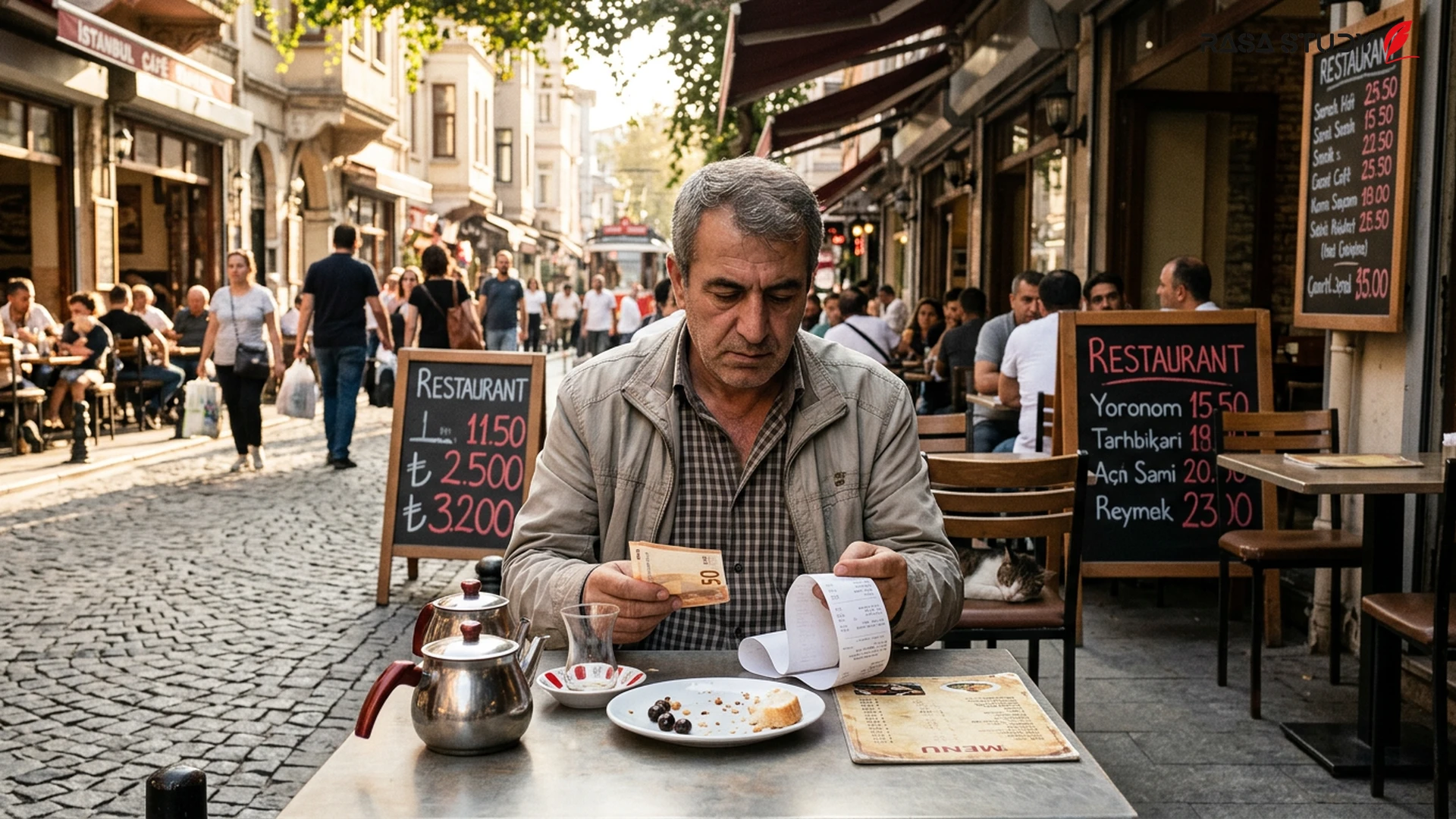
Vulnerable Sectors: From Restaurants to Healthcare This decline in purchasing power is not felt equally across all sectors. Expatriates feel the most pressure in the service and hospitality sectors. Reports indicate that prices in restaurants, cafes, and hotels have increased at staggering rates. Additionally, the costs of car rentals and private healthcare services, which were previously very affordable for Euro holders, have now become a major challenge [1][2].
Inflation in the food sector, particularly meat and dairy products, has also outpaced the currency growth rate. This situation has led many families residing in Europe, who traditionally did their annual shopping in Turkey, to now reconsider their financial calculations [1].
Changes in Consumption and Tourism Patterns The continuation of this trend in 2026 has led to changes in consumer behavior. Many expatriates are opting for family homes or cheaper alternatives instead of staying in luxury hotels. Analysts at "FocusEconomics" note that annual inflation reached 32.6% in May 2026, indicating the persistence of price pressures in the Turkish economy [2].
Ultimately, although the Euro still holds a high nominal value against the Lira, its "real value" in Turkey's domestic markets has melted away due to structural inflation. This situation serves as a warning bell not only for expatriates but also for Turkey's tourism industry, as the country's competitive advantage of being "affordable" is disappearing [1][3].
The gap between Euro rate growth and domestic inflation in Turkey has reduced the purchasing power of travelers.
linkSources
- Euro Yükseldi Ama Yetmedi: Gurbetçinin Türkiye'deki Alım Gücü Son 3 Yılda Neden Azaldı? — Turkinfo (2026-06-28)
- Turkey: Inflation picks up in May from April — FocusEconomics (2026-06-05)
- Turkey Inflation Rate at 7-Month High — Trading Economics (2026-06-01)