Following reports of significant progress in indirect negotiations between Iran and the United States, senior Saudi and French officials gathered in Paris to assess the latest developments of this agreement and its impact on Middle East security.
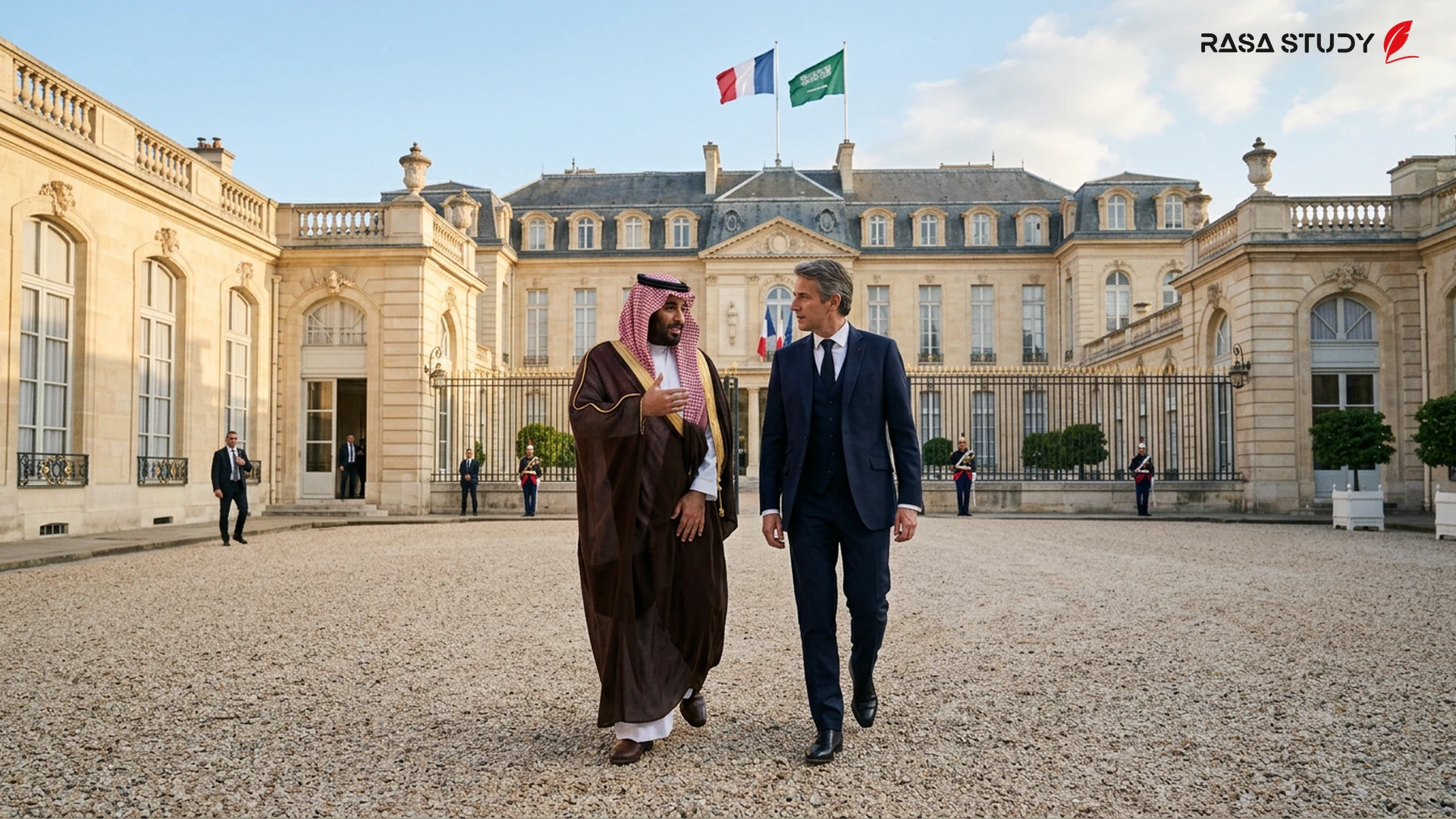
Dimensions of New Diplomacy in Paris On June 29, 2026, Paris hosted intensive talks between high-ranking officials from Saudi Arabia and France. The main focus of this meeting was to review the details of a memorandum of understanding reportedly being finalized between Washington and Tehran. This meeting reflects close coordination between European powers and regional allies in the face of potential changes in United States foreign policy toward Iran [1].
Details of the Potential Iran-US Agreement Diplomatic reports indicate that the United States and Iran have reached a framework for de-escalation, including new restrictions on Iran's nuclear program in exchange for the easing of certain economic sanctions. France, as a key member of previous agreements, has played an active mediating role and is now conveying the details of this agreement to Riyadh to prevent security concerns [2]. Saudi Arabia, which has always emphasized the need for a comprehensive agreement including the missile program and regional activities, called for objective guarantees during this meeting.
France's Role and Saudi Demands In this round of talks, France has sought to play the role of a "guarantor of balance." Emmanuel Macron and his diplomatic team believe that any agreement between the US and Iran will not be sustainable without considering the security interests of the Persian Gulf countries [3]. On the other hand, Riyadh emphasized that any economic opening for Tehran must be accompanied by a reduction in regional tensions. This coordination between Paris and Riyadh demonstrates diplomatic maturity in the region for managing long-term crises.
Outlook for Regional Stability Analysts believe that today's meeting in Paris could pave the way for a broader regional conference. Given that Iran and the US are nearing the final stages of signing the draft, the role of third-party countries such as France and Saudi Arabia in monitoring the implementation of commitments will be vital [1]. These consultations show that, unlike in past periods, efforts to reach an international consensus are underway before the official announcement of the agreement to prevent potential political and economic shocks.
Saudi Arabian and French officials discussing regional stability and the Iran agreement.
linkSources
- Saudi Foreign Minister meets French counterpart in Paris over regional stability — Arab News (2026-06-28)
- France and Saudi Arabia align positions on Iran's nuclear program following US-Tehran talks — Le Monde (2026-06-29)
- Reports of a draft agreement between Washington and Tehran; regional powers briefed — Reuters (2026-06-27)