Following an unprecedented escalation of military conflicts on July 12, 2026, Iran claimed to have completely blocked the Strait of Hormuz; an action met with a massive US military response and airstrikes on 140 targets inside Iranian territory.
The 'Hormuz Knot' Ignites Again in the Heart of the Persian Gulf In the early hours of July 12, 2026, long-standing tensions between Iran and the United States reached a breaking point. Regional media, including 'Türkiye Gazetesi', reported that the 'Hormuz Knot' has ignited once again [1]. The Islamic Revolutionary Guard Corps (IRGC) Navy issued a statement declaring that this strategic waterway is closed to all commercial traffic until further notice. This action was taken in response to what Tehran calls 'illegal US intervention' in the region. However, United States Central Command (CENTCOM) immediately rejected this claim, emphasizing that freedom of navigation in international routes remains in place and maritime traffic is flowing [3].
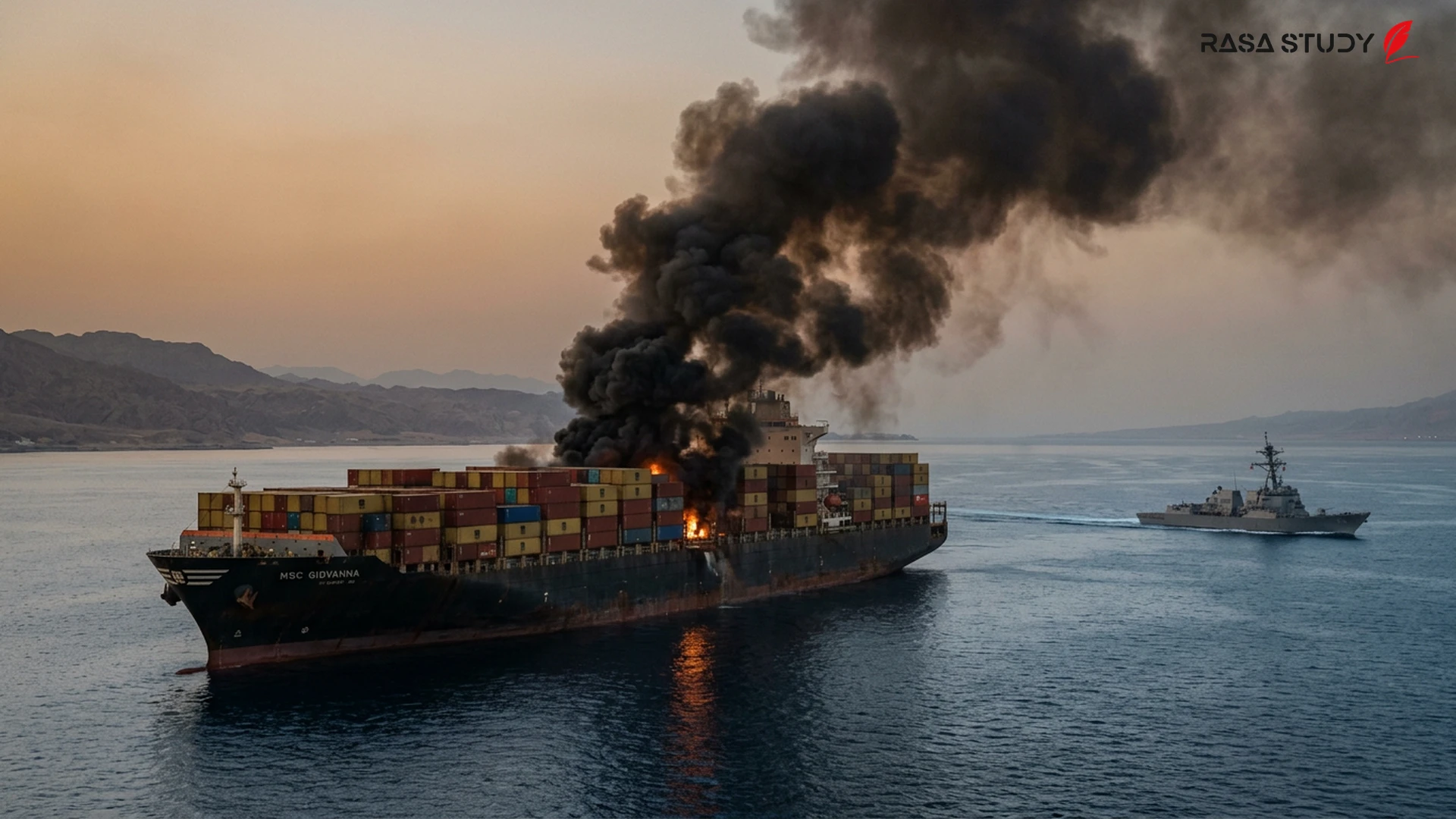
Heavy Airstrikes and Targeting of Commercial Ships The primary spark for this round of conflict was ignited after an attack on the Cyprus-flagged container ship 'GFS Galaxy'. According to military sources, the ship was struck while transiting the Strait of Hormuz, resulting in a massive fire and several missing crew members [2]. In response to this action, the US military, in a large-scale operation, attacked more than 140 military targets inside Iranian territory. These targets included missile sites, drone hangars, naval facilities, and command and control centers in southern Iranian port cities [2]. The Pentagon stated that these strikes were carried out to degrade Iran's ability to threaten free navigation.
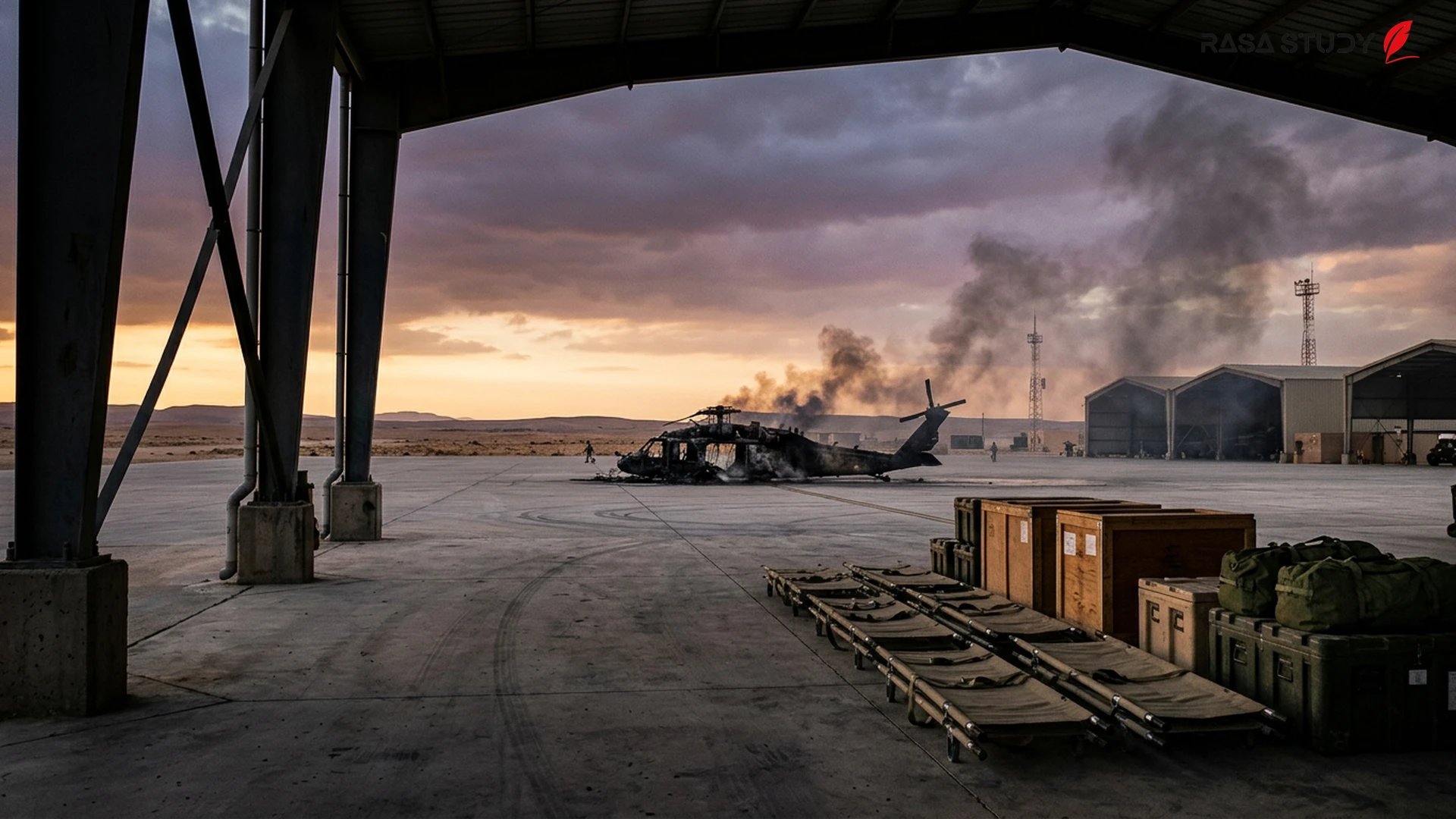
Tehran's Retaliatory Reactions and Threats to Regional Bases In response to the heavy US bombings, Iran launched a wave of missile and drone attacks against US military bases in neighboring countries. Reports indicate missile strikes near 'Al-Udeid' Air Base in Qatar and 'Prince Hassan' in Jordan [2]. Additionally, the defense systems of the United Arab Emirates and Kuwait have been activated to counter incoming projectiles. Mohsen Rezaei, a senior advisor to Iran's leadership, stated in a message that this strategic passage is 'more important than dozens of atomic bombs' for Tehran, and Iran will not retreat from its control over this region until the full withdrawal of intervening forces [1].
Maritime Security Status and Global Economic Consequences The International Maritime Organization (IMO) issued a serious warning, urging all commercial vessels to avoid entering the Strait of Hormuz until further notice [4]. Although CENTCOM claims the southern route of the strait remains open, the security threat level has reached 'very severe' [3]. This crisis immediately cast a shadow over global energy markets, and crude oil prices witnessed a sudden jump. Analysts believe the collapse of the temporary ceasefire agreement signed on June 17 has placed the region on the brink of an all-out confrontation that could seriously disrupt the supply of one-fifth of the world's oil and gas [2].
Military tensions in the Strait of Hormuz in July 2026 have reached their highest level in decades.
linkSources
- Hürmüz düğümü yeniden alevlendi! İran 'kapattık' dedi, ABD yeniden açıldığını duyurdu — Türkiye Gazetesi (2026-07-12)
- US strikes Iran, Tehran says Strait of Hormuz closed, Gulf states hit — Reuters / The Jakarta Post (2026-07-12)
- Security threat at Hormuz is at the highest level: UKMTO — Oman Observer (2026-07-12)
- IMO Warns Ships to Avoid Strait of Hormuz After U.S. Strikes Iran — Global Trade Magazine (2026-07-11)