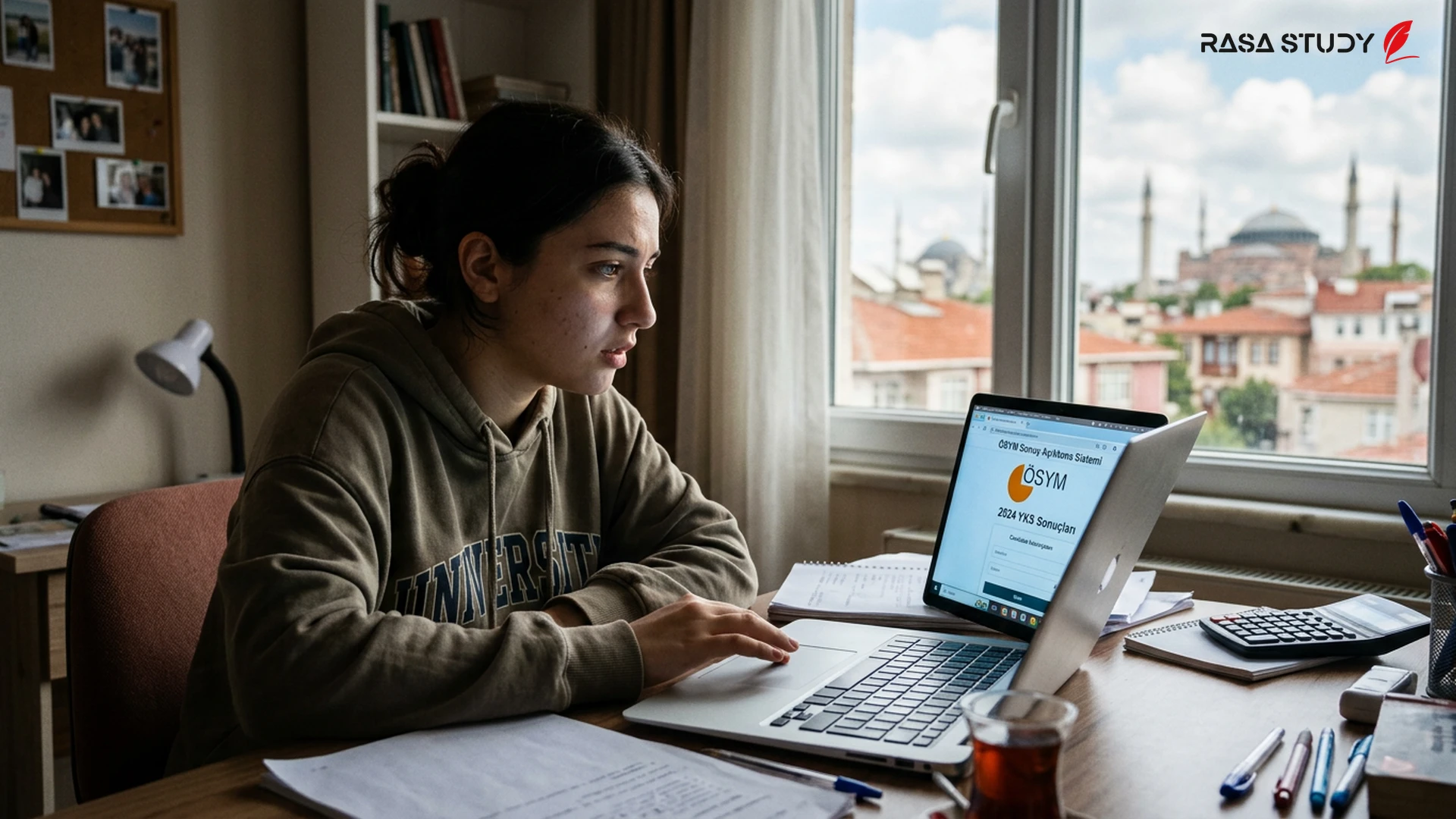
With the publication of the 2026 Higher Education Institutions Exam (YKS) preference guide, we are witnessing a revolution in the structure of academic disciplines. These changes, which include the introduction of interdisciplinary artificial intelligence fields, promise to train a generation of specialists for the digital economy.
On July 1, 2026, the Council of Higher Education (YÖK) unveiled a fundamental transformation in the country's university system. According to the official announcement by Professor Erol Özvar, President of YÖK, for the 2026-2027 academic year, a total of 16 new departments, including 7 undergraduate and 9 associate degree programs, have been included in the YKS preference guide for the first time [1]. This move is part of Turkey's macro-strategy to align higher education with the changing needs of the global labor market and rapid technological advancements.
Integrating Artificial Intelligence with Humanities and Management One of the most attractive parts of this transformation is the entry of artificial intelligence into fields previously considered purely traditional. In the new guide, departments such as "History and Artificial Intelligence," "Philosophy and Artificial Intelligence," and "Management and Artificial Intelligence" are featured [2]. The goal of this action is to move artificial intelligence beyond the boundaries of engineering and computer science and to utilize the power of data analysis in historical analysis, philosophical thoughts, and management processes. This interdisciplinary approach allows students to address classic challenges using modern tools [4].
Modern Departments in Health, Technology, and Security In addition to the humanities, the technical and health sectors have also seen extensive changes. At the undergraduate level, departments such as "Financial Technology" (Fintech), "Biotechnology and Genetics," "Paramedic," and "Fisheries Technology" are admitting students for the first time [3]. At the associate degree level, there is a special focus on operational skills in the digital world. Departments such as "Web Design and Coding with Artificial Intelligence Assistance," "Mobile Security," "Digital Game Technology," and "Drug Production" are among the new options candidates can choose [1][2].
YÖK's New Strategy: Focus on Employability Professor Erol Özvar emphasized in his statement that there will no longer be an insistence on maintaining departments that do not match current conditions and whose graduates lack employment opportunities [1]. He noted that university capacity planning is now based on parameters such as national development goals, labor market needs, and the correct guidance of human capital [3]. This transformation indicates a shift from purely theoretical education toward skill-based and demand-driven education. According to officials, this transformation process will continue strongly in the coming years to turn Turkish universities into innovation hubs in the region [4].
Extensive changes in the 2026 Turkey preference guide focusing on artificial intelligence and new technologies.
linkSources
- YÖK geleceğin meslekleri için düğmeye bastı — Memurlar.Net (2026-07-01)
- YÖK'ten geleceğin mesleklerine yönelik 16 yeni program — Habertürk (2026-07-01)
- YÖK tarafından yürütülen çalışmalar kapsamında 16 yeni program YKS kılavuzunda — Sağlık Aktüel (2026-07-01)
- Üniversitelerde 16 yeni program açılıyor — Hürriyet (2026-07-01)