Donald Trump, the President of the United States, on the sidelines of the NATO summit in Ankara, conditioned the continuation of his country's military presence on the European continent on the transfer of control of the strategic island of Greenland and the full support of allies for Washington's military operations against Iran.
Trump's Ultimatum in Ankara: European Security as a Bargaining Tool
Donald Trump, the President of the United States, once again shook the security foundations of NATO by adopting a transactional approach. On his way back from the NATO summit in Ankara, speaking on Air Force One, he explicitly stated that a final decision regarding the stay or withdrawal of US troops from Europe has not yet been made [1]. Trump emphasized that this decision depends on two key factors: reaching a "very good deal" over Greenland and the level of cooperation from European allies in the ongoing military confrontation with Iran [2]. These remarks come as Washington is conducting a six-month review of its global force posture.
Linking the Iran War to Military Presence on the Green Continent
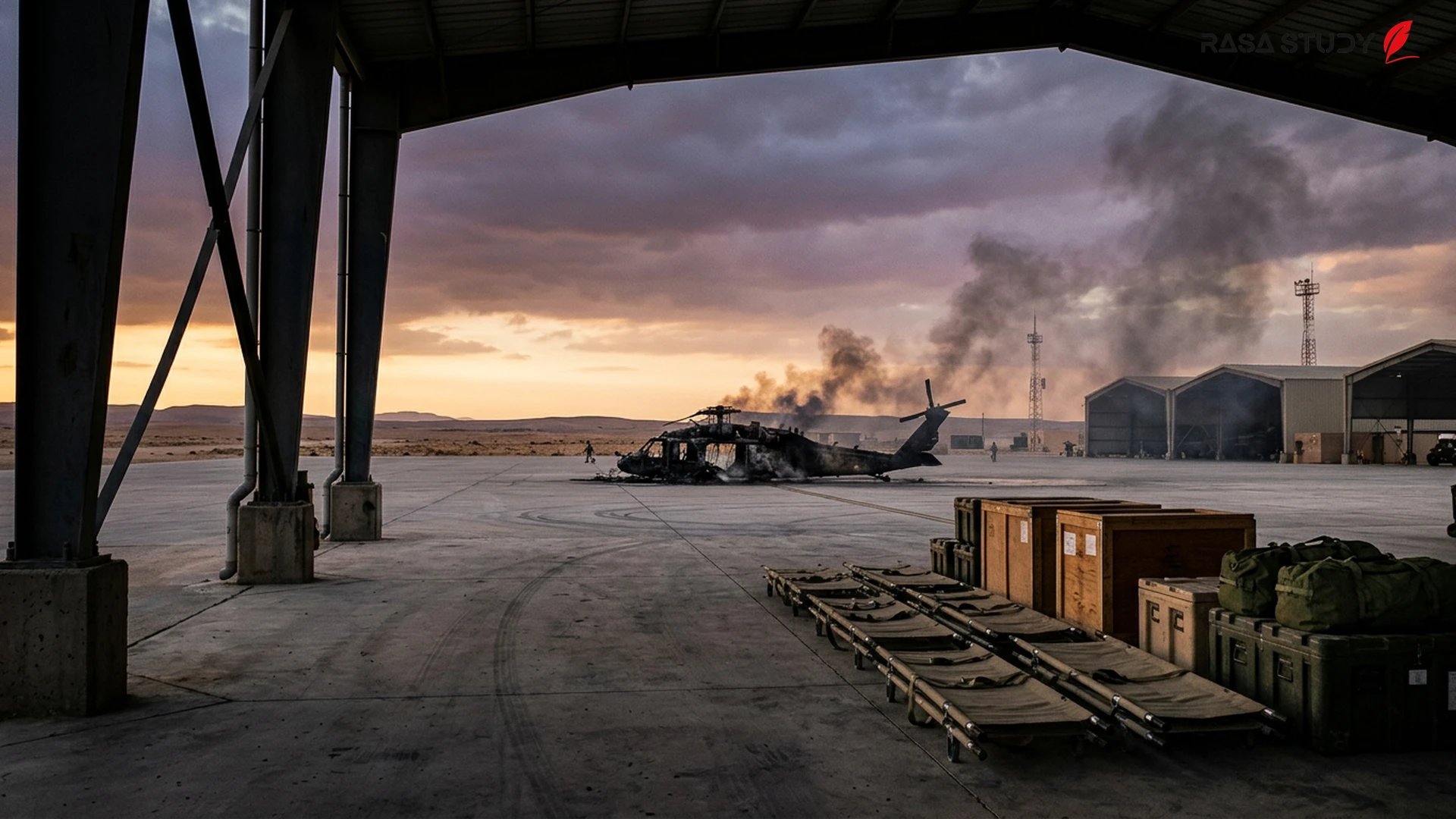
One of the main axes of Trump's dissatisfaction is the lack of full cooperation from European countries with US military operations against Iranian targets. Severely criticizing NATO allies, Trump described their recent offers of help as "a little late" and said: "When they had the chance to help, they preferred to stand aside. Now that we don't need help, everyone wants to participate" [1][4]. He has tied the presence of approximately 68,000 to 80,000 US soldiers in Europe to these countries' active support for Washington's strategy in the Middle East. Meanwhile, Mark Rutte, the Secretary General of NATO, has tried to convince Trump to maintain his commitments by emphasizing that Europe is a "great platform for the projection of American power" [3].
Reviving the Greenland Case; From Dream to Diplomatic Threat
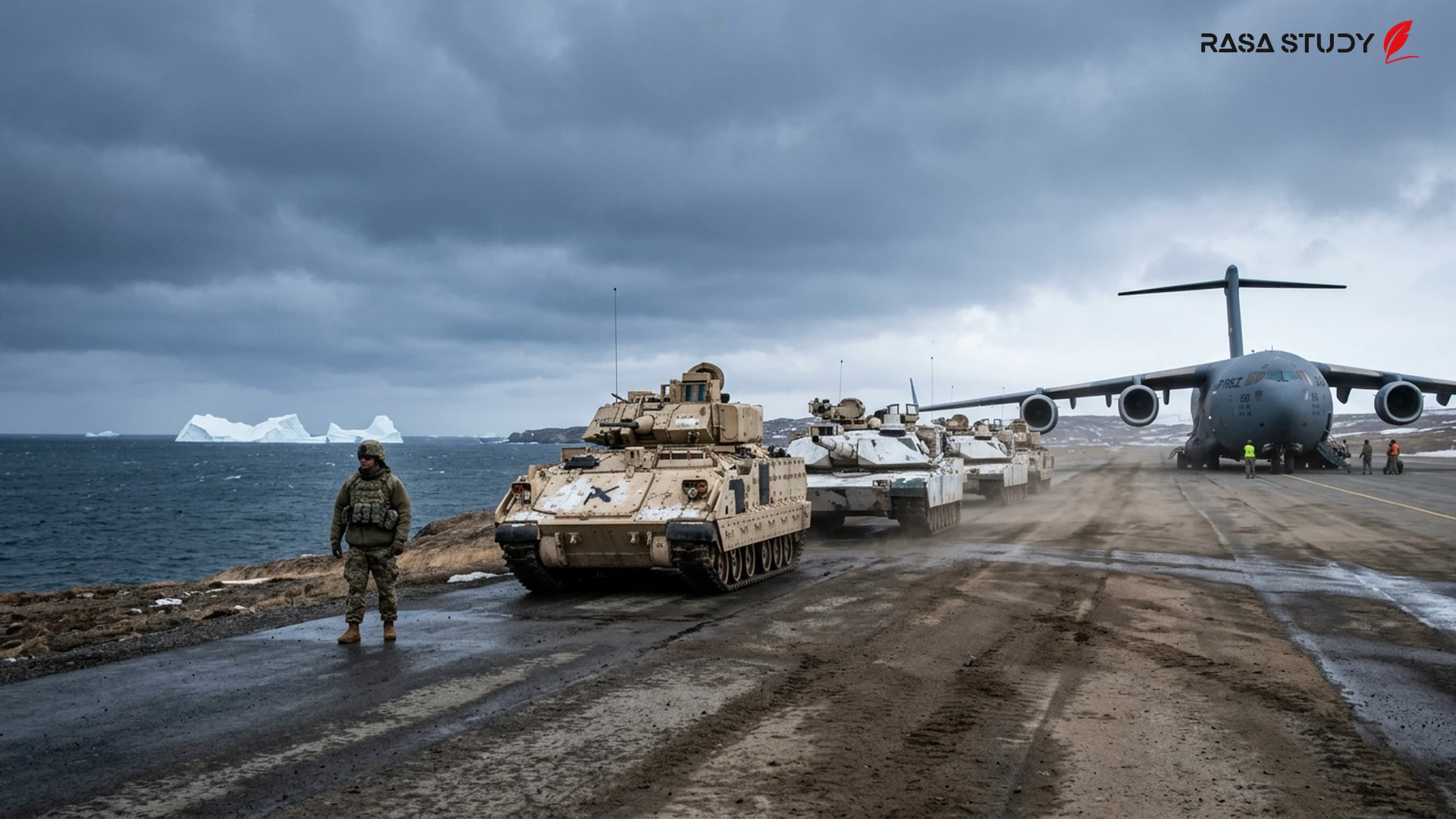
The issue of purchasing or controlling Greenland, which also caused controversy in 2019, has now become a formal condition for European security. Trump claims that Denmark has not invested enough in the island and, given the increased presence of Russia and China in the Arctic, Greenland must be under United States control [2]. He explicitly threatened that if European allies and Denmark do not cooperate in this regard, he might order the full withdrawal of US forces from Europe [3]. This stance has faced a sharp reaction from European officials, including Rachel Reeves, the British Chancellor of the Exchequer, who emphasized that the fate of Greenland is solely in the hands of its people and Denmark [3].
NATO's Reaction and the Uncertain Future of the Atlantic Alliance
While Trump praised NATO's progress in increasing defense budgets and the change in stance of countries like Spain, the shadow of troop withdrawal still hangs over the alliance [2][4]. Analysts believe Trump is using the Greenland and Iran issues as leverage to force Europe to accept higher costs and comply with America's extraterritorial policies. Given the ongoing tensions in the Persian Gulf and the Gulf of Oman, this rift in the Western front could have irreparable consequences for global stability [1][3].
At the Ankara summit, Donald Trump turned the US military presence in Europe into a tool for diplomatic pressure.
linkSources
- Trump conditions US troop presence in Europe on Greenland, Iran deals — The Straits Times (2026-07-09)
- Greenland deal tied to U.S. military presence in Europe — Defence24 (2026-07-09)
- Donald Trump revives bid for US to acquire Greenland — The Guardian (2026-07-07)
- Trump'tan İran, Grönland ve İspanya açıklamaları — Ekotürk (2026-07-08)