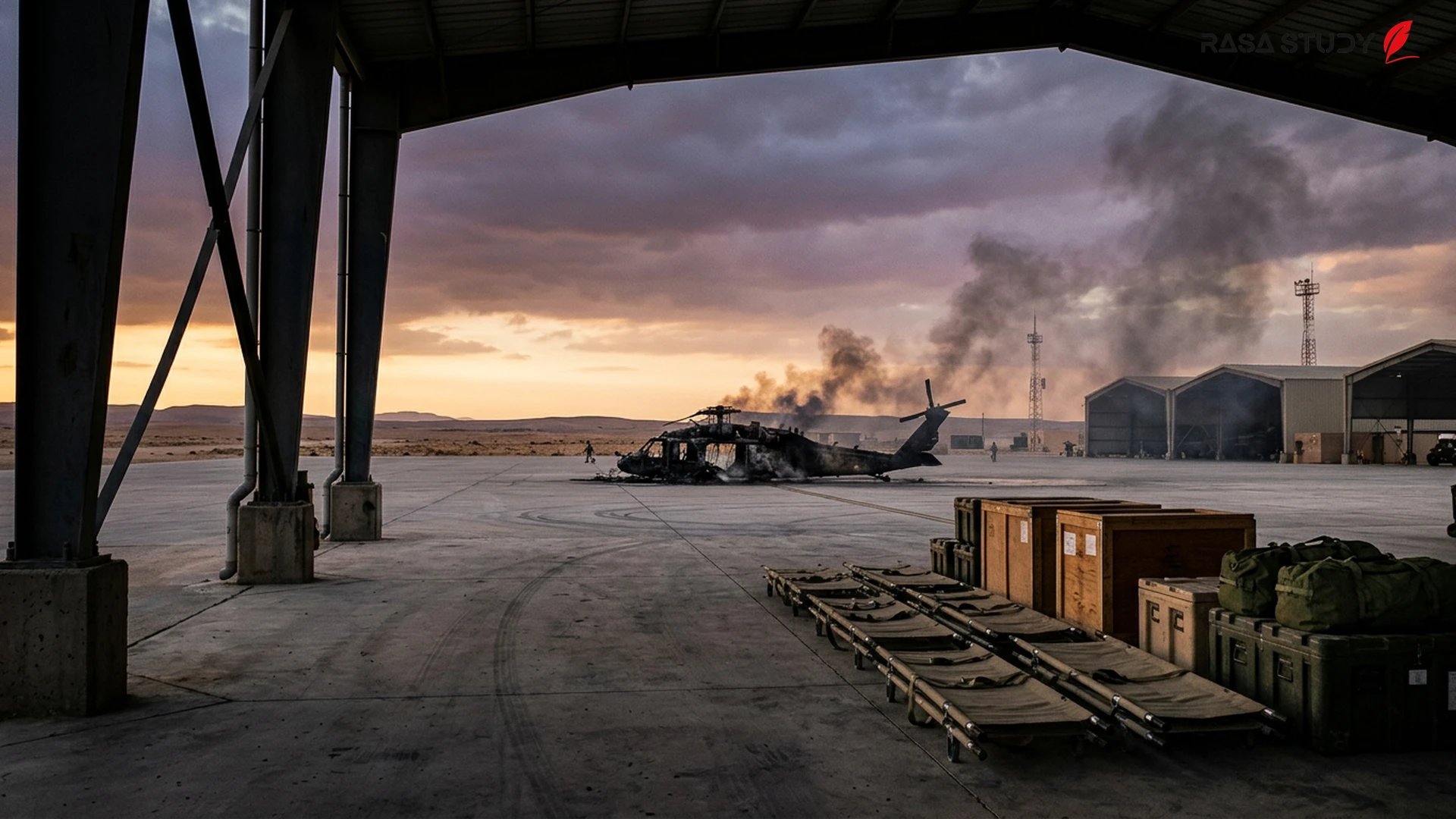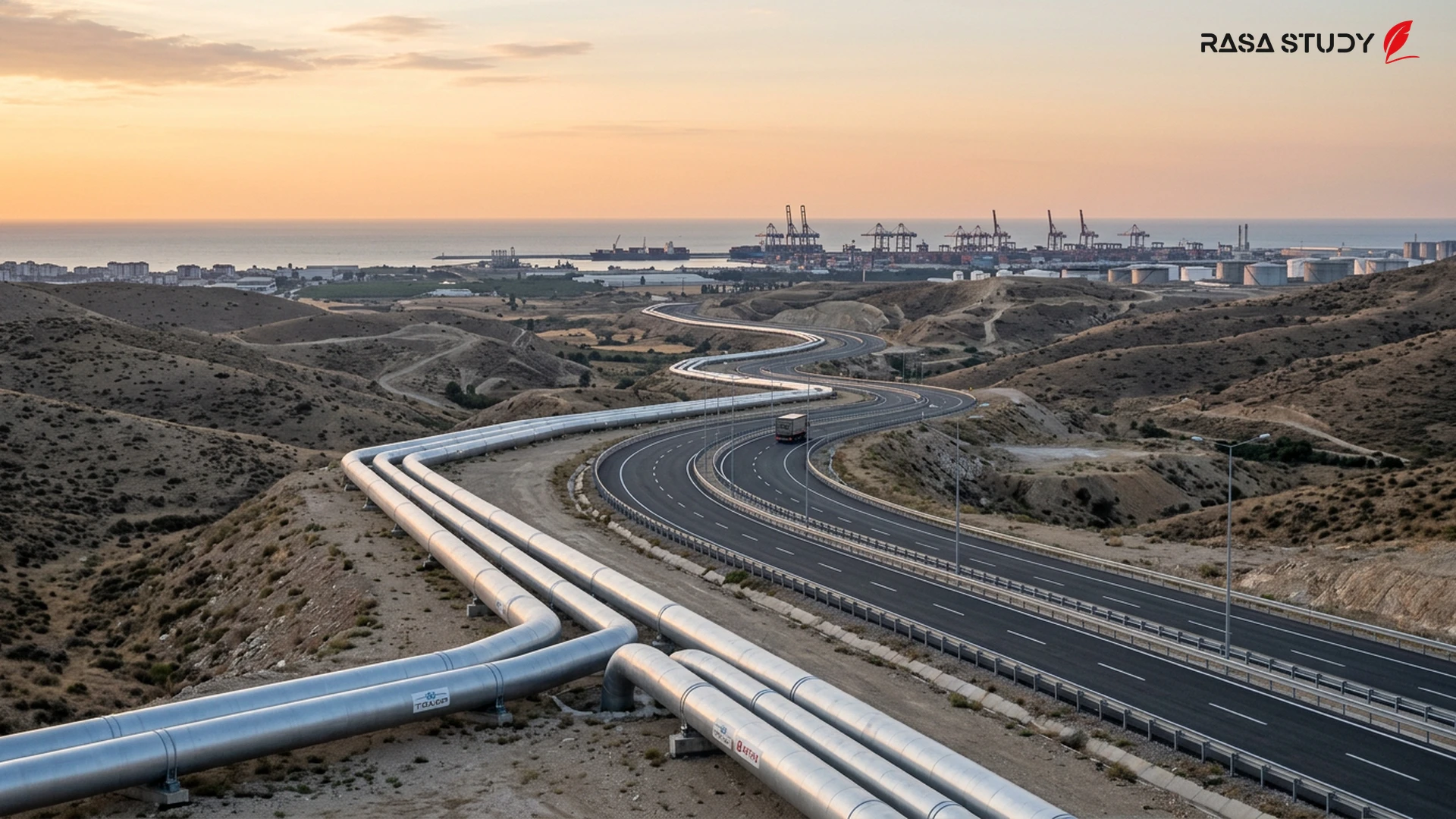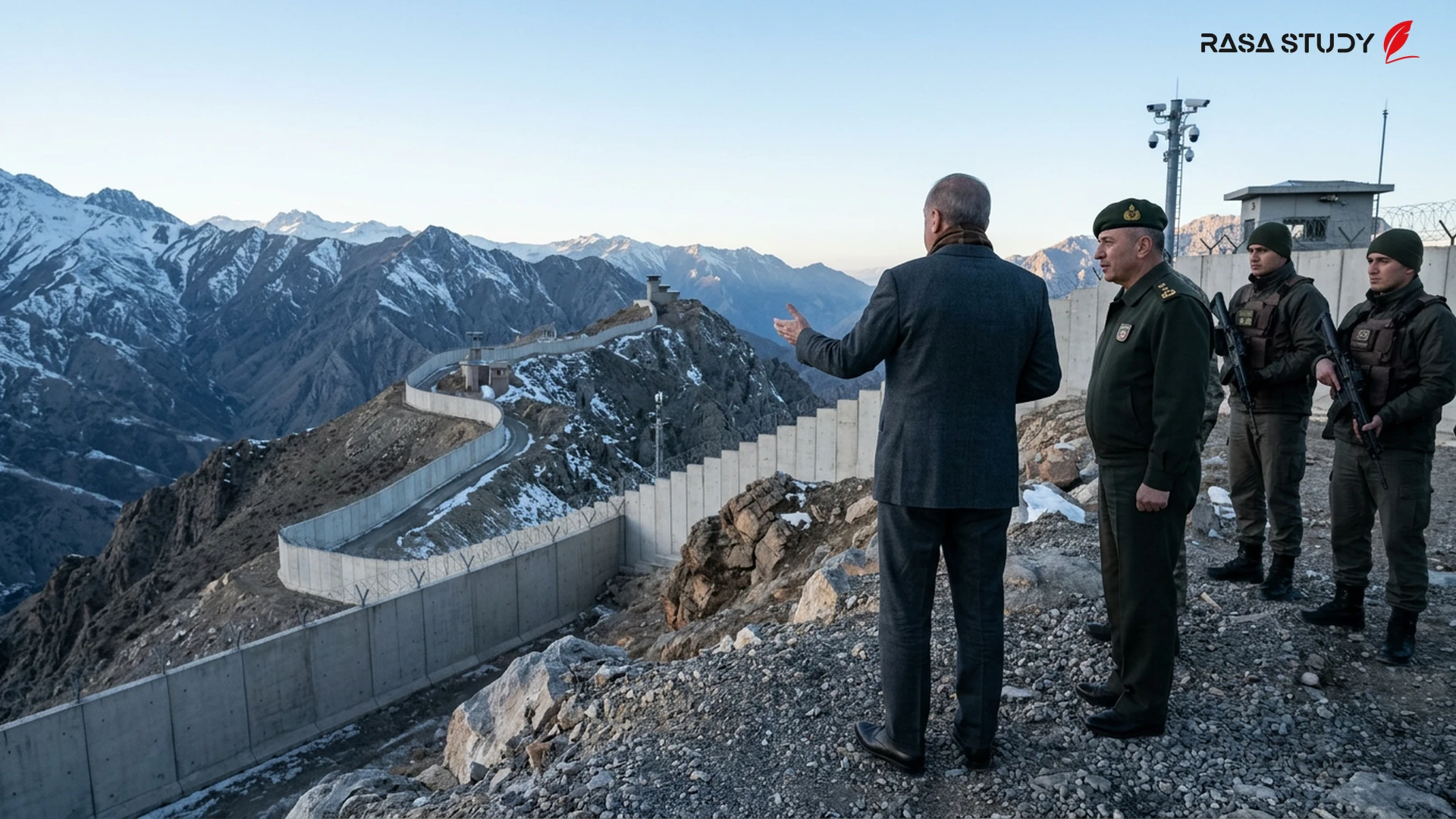
Mustafa Çiftçi, the Turkish Interior Minister, during a strategic visit to the 'Zirvin Tepe' commando base on the Iran-Iraq border, detailed the three-layer security system that ensured the safety of the recent NATO summit in Ankara.
Visiting the Border Zero Point; Importance of Zirvin Tepe Base On July 12, 2026, Mustafa Çiftçi, the Turkish Interior Minister, visited the 'Zirvin Tepe' military base in the Şemdinli district during a sensitive trip to Hakkari province. This base, located at strategic heights, is only 7.5 kilometers from the Iranian border and 28 kilometers from the Iraqi border [1]. During this visit, accompanied by General Ali Çardakçı, Commander General of the Gendarmerie, and İbrahim Taşyapan, Governor of Hakkari, the Minister closely observed border monitoring activities and advanced defense systems deployed in the region.
Speaking with soldiers and security guards (Korucular), Çiftçi called this base one of the country's most vital defense points and emphasized that the security of Turkey's major cities is owed to the vigilance and sacrifice of the forces serving in these difficult terrains and harsh weather conditions [2].
The '3-Layer' Strategy; From Ankara to the Eastern Borders One of the most important parts of the Interior Minister's speech was the explanation of the '3-layer' security model, which he said played a key role in the incident-free holding of the NATO Leaders' Summit in Ankara (July 7-8, 2026). Çiftçi explained that to ensure the security of this international event, a protection shield was designed at three levels:
- First Layer: Adjacent provinces and the surrounding environment of Ankara city.
- Second Layer: Coastal provinces, ports, and central regions.
- Third Layer: Border provinces and border zero points [3].
He noted that border bases like Zirvin Tepe were, in fact, the front line or the 'third layer' of this strategy. According to the Minister, if security were not properly maintained in this outer layer, the inner layers would be vulnerable to threats. The success of the NATO summit in the capital was a direct result of precise control of movements on the Iranian and Iraqi borders [1].
'Terror-free Turkey' Project and Transformation in Border Security In another part of his remarks, the Turkish Interior Minister referred to the progress of the 'Terror-free Turkey' (Terörsüz Türkiye) project. He claimed that thanks to massive investments in border infrastructure, the nature of military missions in the region has changed. Çiftçi said: 'We no longer witness traditional terrorist chases in these areas; instead, our main focus is now on maintaining public order (peace) and smart border monitoring to prevent smuggling and illegal crossings' [2].
He also announced that out of a total of 1,439 kilometers of border wall projects and patrol roads, only 100 kilometers remain, which will be completed soon. These walls are equipped with fiber optic sensors, thermal cameras, and ground radars, supported 24/7 by drones [4].
Regional Implications and Management of Potential Crises Çiftçi's visit comes at a time when concerns about regional stability have increased. Recent reports indicate that Ankara has contingency plans in place to manage potential migration waves from Iran. Referring to this issue, the Interior Minister emphasized that Turkey no longer follows an 'open door' policy and any population movement across the borders must be managed in that same region [3]. The use of advanced technologies on the Iran-Iraq border is part of this deterrent strategy to prevent the uncontrolled entry of individuals into Turkish territory.
Turkish Interior Minister Mustafa Çiftçi inspecting advanced surveillance systems at the Hakkari border zero point.
linkSources
- Bakan Çiftçi: NATO Zirvesi için üç katmanlı güvenlik kalkanı oluşturduk — Ekonomim (2026-07-12)
- İran ve Irak sınırında kritik ziyaret! İçişleri Bakanı Çiftçi'den dikkat çeken '3 katman' açıklaması — Türkiye Gazetesi (2026-07-12)
- İçişleri Bakanı Mustafa Çiftçi'den sınırın sıfır noktasında net mesaj — TV100 (2026-07-12)
- Türkiye builds security walls on nearly half of land borders — Hurriyet Daily News (2025-10-31)