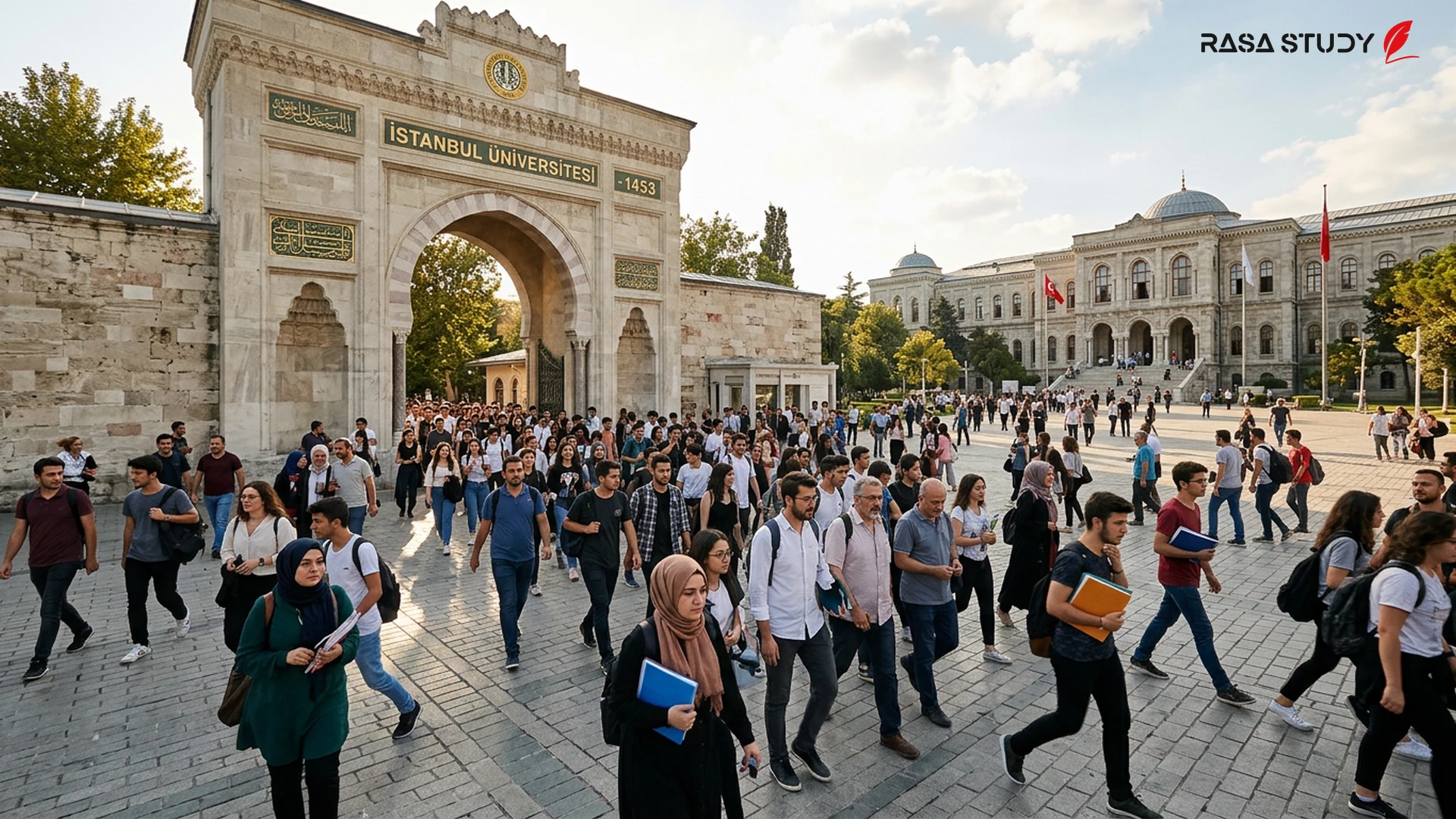
With the approval of a new plan in the Turkish Parliament's Education Commission, the scope of the 2026 student amnesty has significantly expanded. This resolution allows expelled students to return to their desks in the new academic year.
A major development awaits Turkey's higher education system. According to reports published on July 16, 2026, the Education, Culture, Youth and Sports Commission of the Grand National Assembly of Turkey (TBMM) approved the proposed amendment to the Higher Education Law, which includes a "comprehensive student amnesty" [1]. This plan, proposed by Justice and Development Party (AKP) representatives, has now paved the way for thousands of students to return to universities after careful review and key changes.
Surprising Expansion of Amnesty Scope One of the most important and surprising parts of this resolution is the removal of the restriction that previously prevented some students from benefiting again. In the initial plan, individuals who had previously used a student amnesty plan but failed to complete their studies were excluded from this new law [2]. However, with the approval of an amendment in the commission, this barrier was removed. Now, all students who were expelled or withdrew from the university for any reason (except for specific security and criminal cases), even if they have been subject to amnesty before, can apply again to continue their education [3].
This law includes students at the associate, bachelor's, master's, and doctoral levels. Also, individuals who were accepted in the university entrance exam but failed to complete their final registration for any reason are covered by this plan [1].
Registration Conditions and Legal Deadlines Eligible students must submit their application to the relevant university within four months after the law is finalized and published in the Official Gazette [3]. For individuals currently performing military service, this deadline has been extended to two months after the end of the service period to ensure educational justice for these individuals as well [4].
According to this resolution, students whose applications are accepted will start their education from the first semester of the 2026-2027 academic year. Also, the possibility of transferring to distance education programs (AÖF) at Anadolu, Ankara, Atatürk, and Istanbul Universities has been provided for those eligible [1].
Security Exceptions and Restrictions Despite the expansion of the amnesty scope, Turkish lawmakers have set clear boundaries for the security of the educational environment. Individuals convicted of terrorism offenses, intentional murder, torture, child sexual abuse, and drug production or trade will not be subject to this amnesty under any circumstances [4]. Also, those expelled from the university due to links with organizations disrupting national security or who provided forged documents are deprived of this right. Additionally, students expelled from the Police Academy, Gendarmerie and Coast Guard Academy, and National Defense University are not included in this plan [1].
This amendment also includes clauses to combat academic fraud; such that individuals who cooperate in preparing theses or scientific articles for others will face heavy administrative and professional penalties [3].
The new student amnesty plan in Turkey paves the way for thousands to return to the higher education cycle.
linkSources
- Öğrenci affı ve yükseköğretime ilişkin düzenlemeler kabul edildi — T24 (2026-07-15)
- Öğrenci affında sürpriz gelişme! Kapsam genişledi — Internet Haber (2026-07-16)
- Öğrenci affı ve yükseköğretime ilişkin kanun teklifi TBMM komisyonunda kabul edildi — Gazete Oksijen (2026-07-16)
- Yükseköğretim Kanunu'nda değişiklik öngören teklif komisyonda kabul edildi — Anadolu Agency (2026-07-15)


