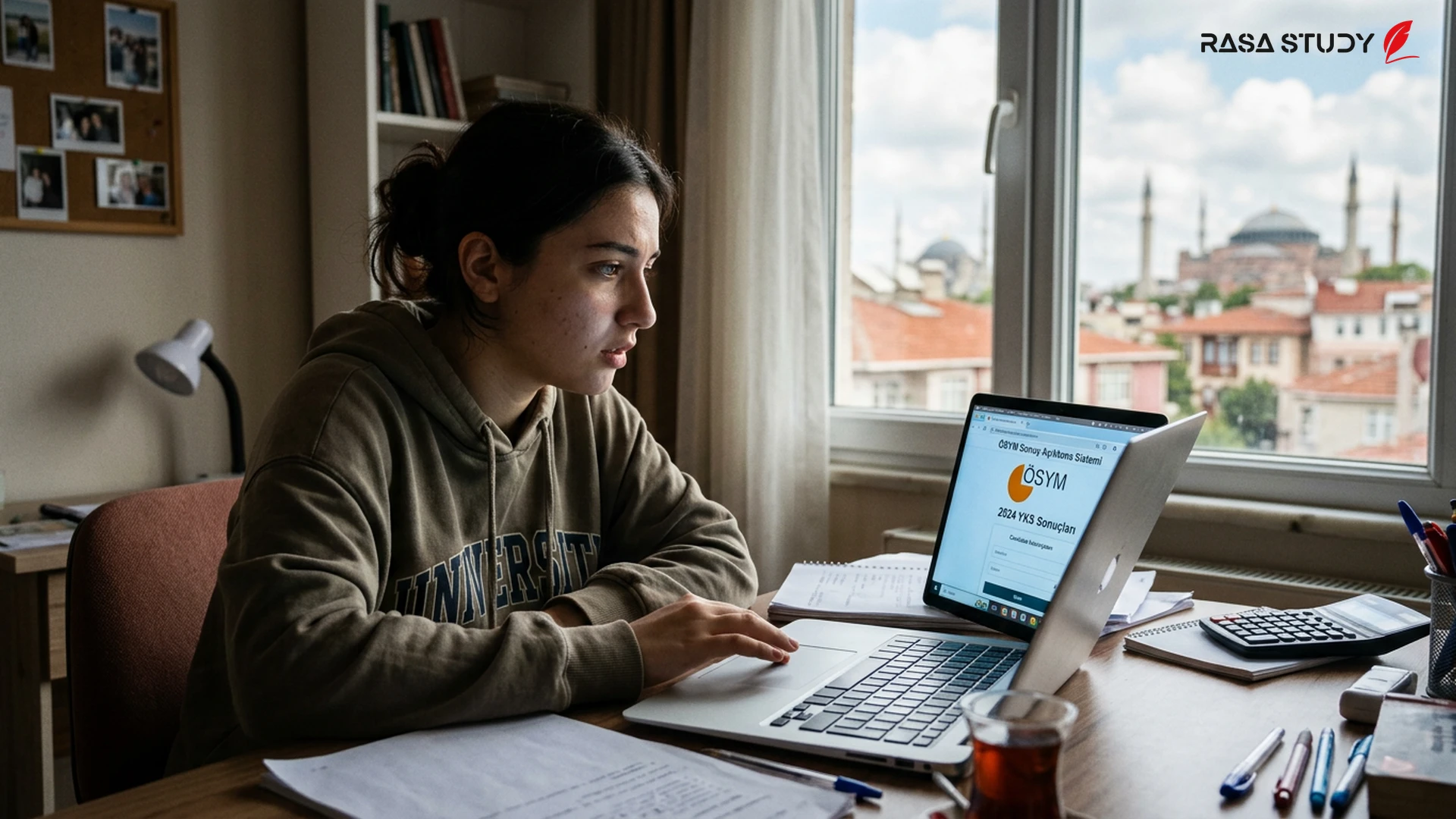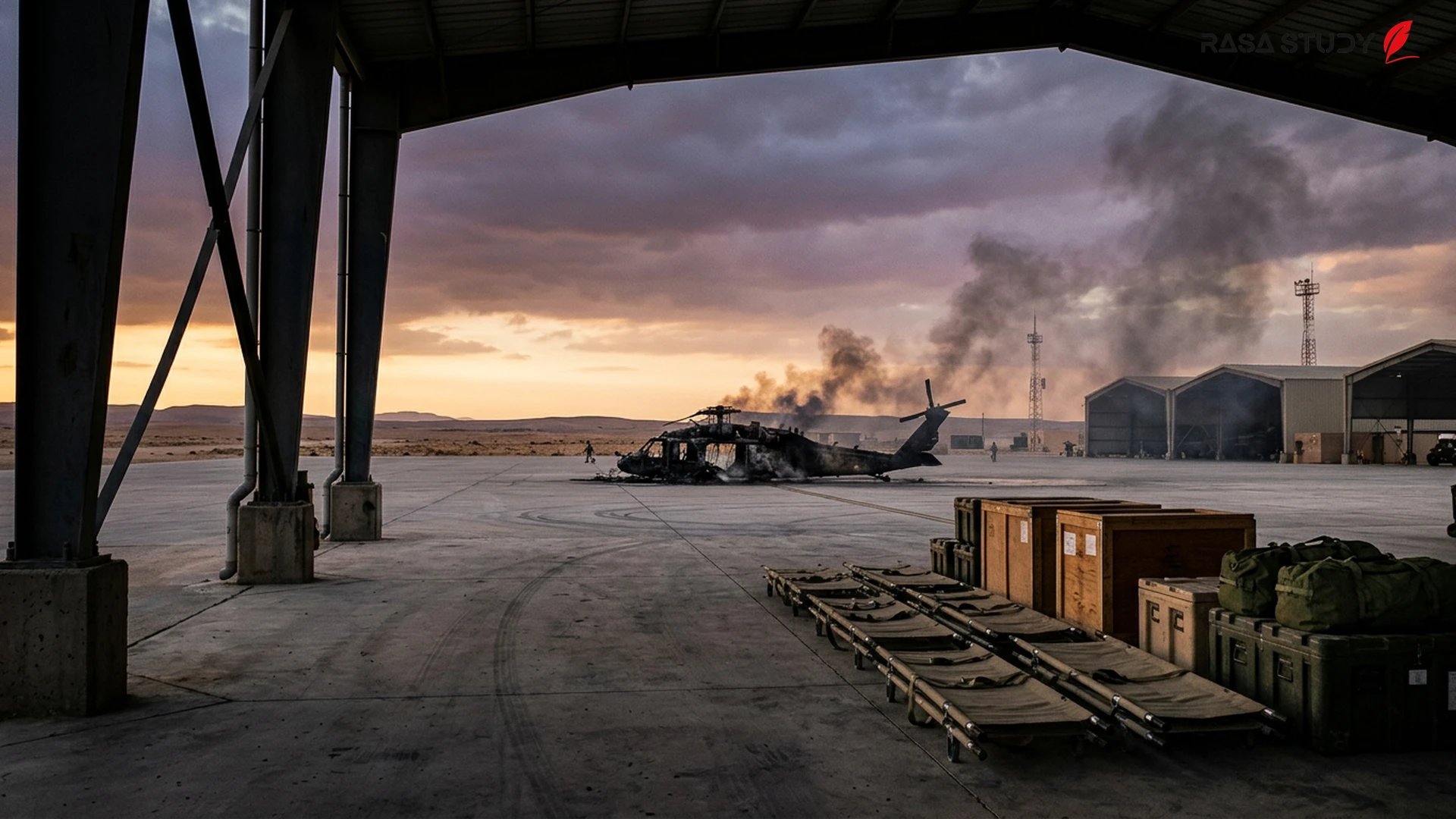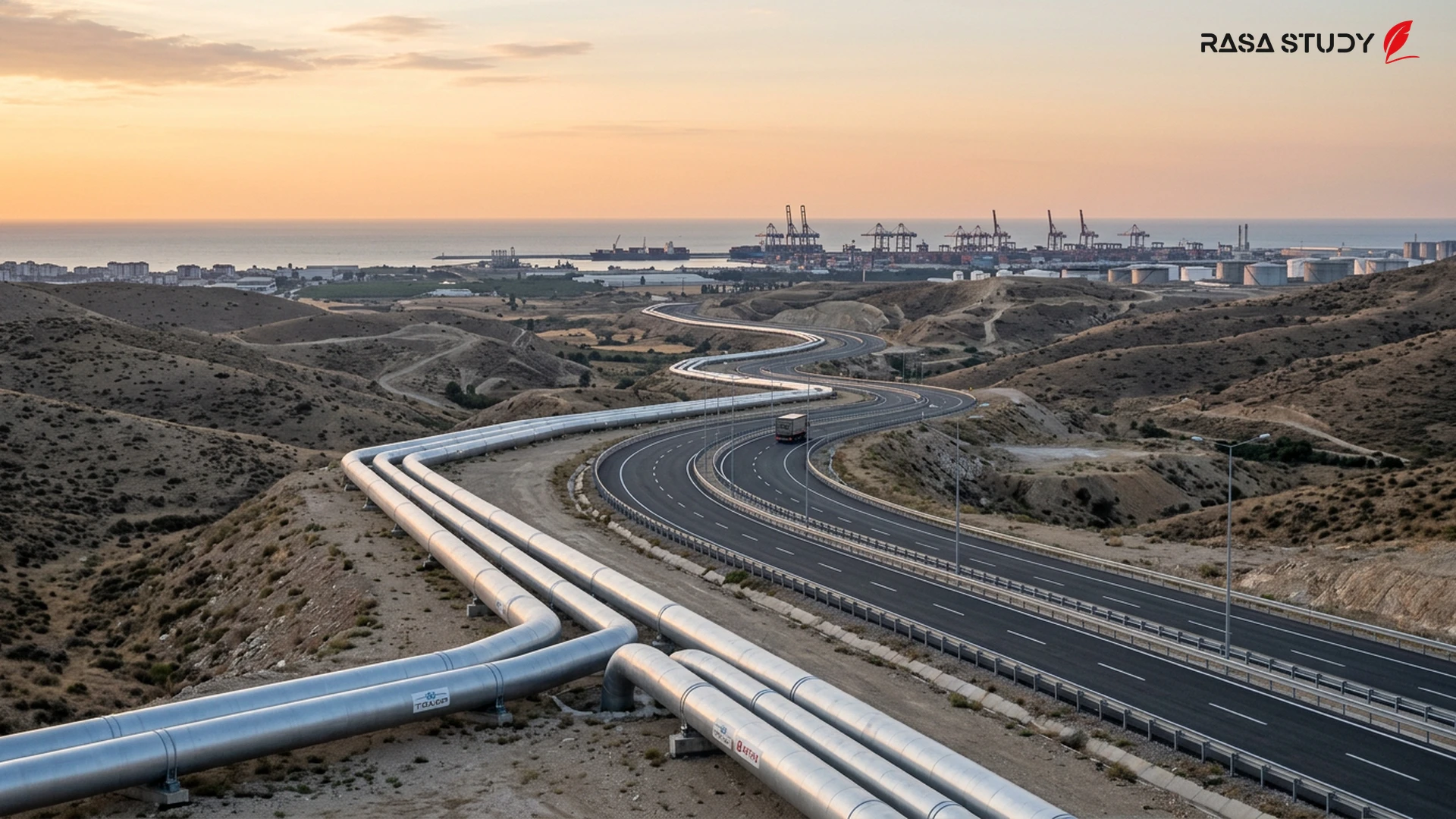
After months of unrest caused by military conflicts in the region starting in February 2026, Turkey's tourism industry is now witnessing a massive return of international travelers due to relative stability and progress in peace negotiations.
Confidence Returns to the Turkish Tourism Market
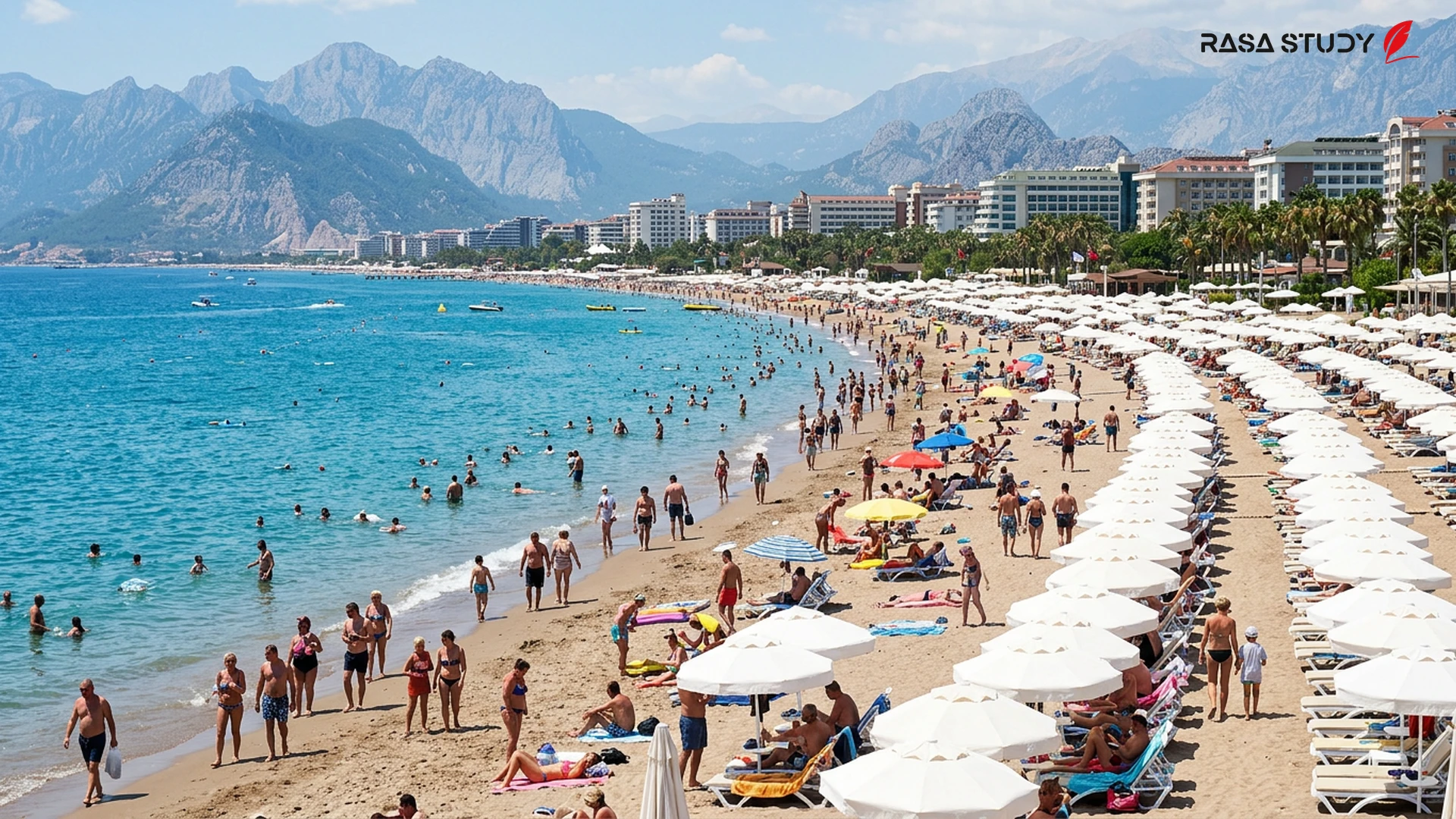
Nearly four months after the start of military conflicts between Iran, the United States, and Israel on February 28, 2026, the Turkish tourism industry, which initially faced a wave of cancellations, is now experiencing a rapid and powerful recovery [5]. According to reports published on June 24, 2026, the establishment of a temporary ceasefire in April and the start of peace talks in Switzerland have reduced tourist fears, making Mediterranean beaches the top destination for travelers once again [1].
Recent data shows that hotel searches in Turkey grew by more than 33% in the second half of June compared to the beginning of the month [2]. Many European travelers, upon reviewing geographical maps, realized that Turkey's main tourism hubs like Antalya and Bodrum are very far from the conflict zones and that security in these areas is fully maintained.
Shifting Tourist Routes from the Persian Gulf to the Mediterranean
One notable consequence of this crisis has been the diversion of tourists from Persian Gulf countries toward Turkey. Due to the proximity of the United Arab Emirates and Qatar to the Strait of Hormuz and the risks associated with the closure of this waterway during the war, many travelers, especially Russian tourists, have replaced Dubai with Turkey [3].
According to the Association of Tour Operators of Russia (ATOR), Turkey remains the undisputed leader of foreign destinations for Russian citizens in the summer of 2026 with a 57% share [3]. Meanwhile, sales of Dubai tours have faced a serious decline due to security concerns in the Persian Gulf region, and this demand has flowed toward the shores of Antalya.
Pricing Strategy and Domestic Demand Revival
Turkish hoteliers adopted flexible pricing policies to counter the initial recession caused by the war. Price reductions in March and April and the offering of special discounts for last-minute bookings played a key role in re-attracting tourists [4]. Additionally, the long Eid al-Adha holidays in May provided an opportunity for domestic tourists to fill some of the vacant hotel capacities and give the local economy room to breathe [4].
Economic Outlook and 2026 Targets
The Turkish government has set a revenue target of $68 billion for the tourism industry in 2026. Although the Iran war dealt a heavy blow to this sector at the beginning of the year and caused a capital flight of $14.7 billion from financial markets, tourism officials remain hopeful that with the continuation of the current peace process, a large portion of these losses will be compensated during the summer season [1].
Currently, Antalya, by hosting more than 4.8 million tourists by the end of May, has shown that it has the potential to overcome the crisis [3]. However, experts warn that reaching the final annual targets requires lasting political stability and the continued reduction of tensions on the eastern borders.
Tourists on Antalya beaches; the tourism industry is recovering faster than expected.
linkSources
- İran savaşı Trump'a pahalıya patladı: Destek yüzde 24'e düştü — Dünya Gazetesi (2026-06-24)
- Holiday bookings to Türkiye surging as travellers reassess risks after Iran war — Daily Sabah (2026-06-22)
- Rus turistlerin Türkiye ilgisinin bu yaz da sürmesi bekleniyor — Anadolu Ajansı (2026-06-23)
- Türkiye turizminde son dakika hareketliliği başladı — Turizm Gazetesi (2026-05-28)
- Turkey tourism hit by Iran war as cancellations rise — Turkish Minute (citing DW) (2026-03-26)