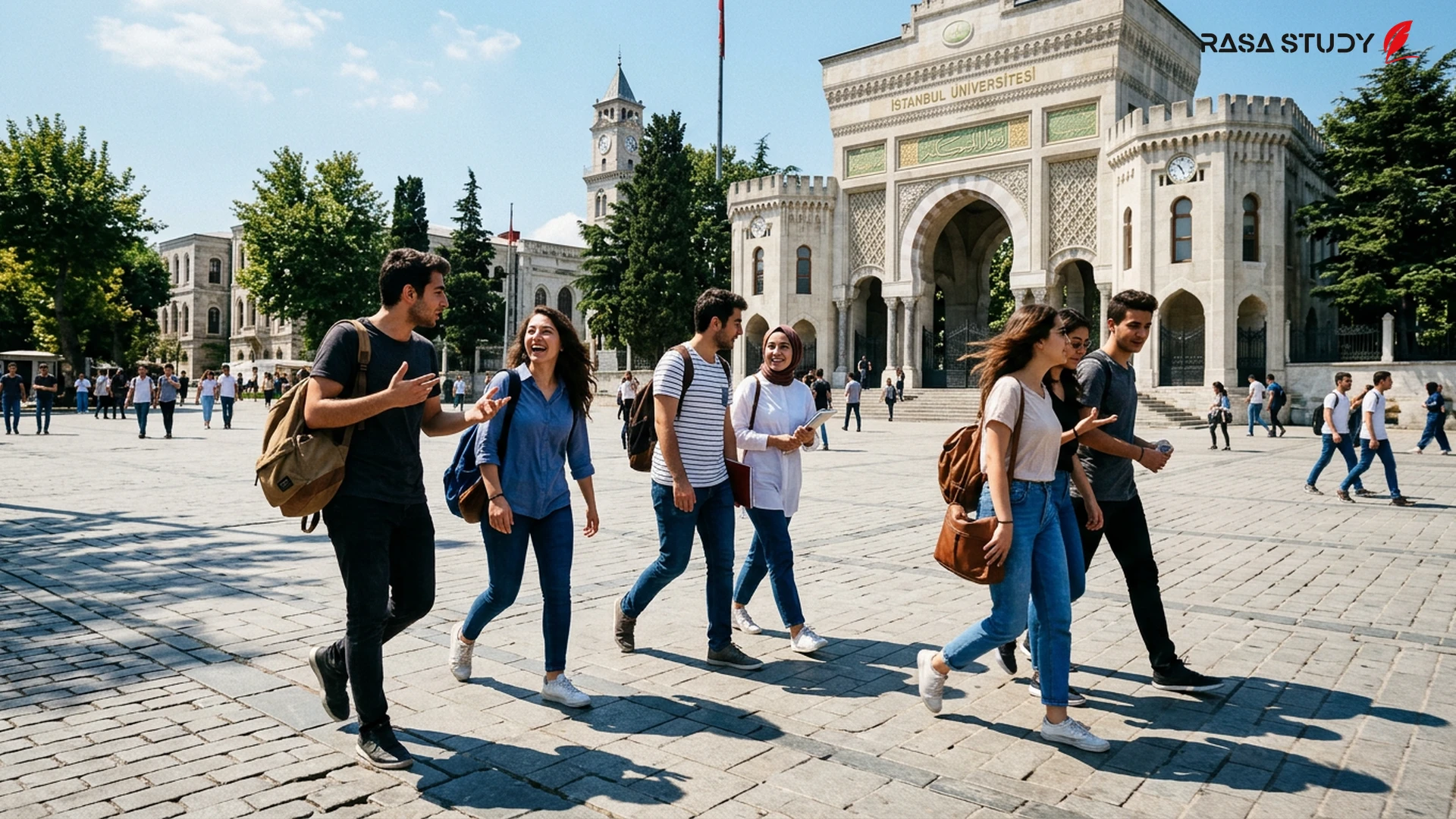
With the official media announcement on July 1, 2026, Turkey is taking final steps to reduce the duration of university education to 3 years, allowing graduates to enter the labor market one year earlier.
Transformation in Turkey's Higher Education Structure On July 1, 2026, new reports were published by reputable Turkish media outlets, including the newspaper "Takvim," indicating fundamental changes in the country's university system. According to a report by "Enstitü Sosyal," it has been proposed to reduce the duration of study in many undergraduate programs from 4 years to 3 years [1]. This proposal is part of a larger roadmap for modernizing higher education in Turkey, shifting focus from quantity to quality.
Dr. İpek Coşkun Armağan, the coordinator of this report, believes that reducing the study period to 3 years will bring the young workforce into the country's economic cycle one year earlier. This move not only accelerates the professional path of students but also reduces the workload of professors by eliminating repetitive courses and increasing academic productivity [1][2].
The "Three-Semester" Educational Model and Elimination of Long Holidays The Council of Higher Education (YÖK) has designed a new academic calendar model to implement this plan. In this model, instead of the traditional two-semester system (Fall and Spring), an academic year is divided into three semesters. The third semester will effectively replace the long summer vacation [3].
Professor Erol Özvar, President of YÖK, emphasized that this change does not mean a reduction in educational content or the removal of credits. Students must still complete 240 ECTS (European Credit Transfer System) credits, but instead of distributing these credits over 4 years, they will complete the entire course in 3 calendar years using intensive summer semesters [4][5]. This system allows students to receive their degrees faster without a decline in academic quality.
Which Programs Will Become 3 Years? According to the published details, this plan will not apply to all fields. Programs requiring long internships and heavy practical training will remain in longer cycles.
- Included Programs: Humanities, Communications, Economics, Business Administration, and some Social Science fields [4].
- Excluded Programs: Faculties of Medicine, Dentistry, and some Engineering branches are excluded from this rule due to technical requirements and health standards; their study duration will not change [2][4].
Implementation Timeline and Strategic Goals This new system is expected to begin in the 2026-2027 academic year in phases or at certain pilot universities [3]. The main goal of these reforms is greater alignment with the Bologna Process in Europe and increasing the international competitiveness of Turkish universities. Additionally, reducing accommodation and living costs for students for an extra year is mentioned as another economic benefit of this plan for families [5]. However, some educational experts warn that compressing courses may limit students' social opportunities and extracurricular activities within the university environment [4].
New YÖK reforms in 2026 change the temporal structure of higher education in Turkey.
linkSources
- Üniversite eğitiminde süre sorgusu: Bazı bölümler 3 yıla düşmeli — Takvim (2026-07-01)
- Üniversiteyi 3 yıla indirme önerisi: Her bölüm için geçerli olmayacak — T24 (2026-07-01)
- Üniversitelerde Yaz Tatili Kısalacak, Lisans 3 Yıla İnecek — YÖK (2025-11-17)
- Üç yılda mezun verecek yeni üniversite! Yaz tatili bir aya düşüyor — Sözcü (2026-01-13)