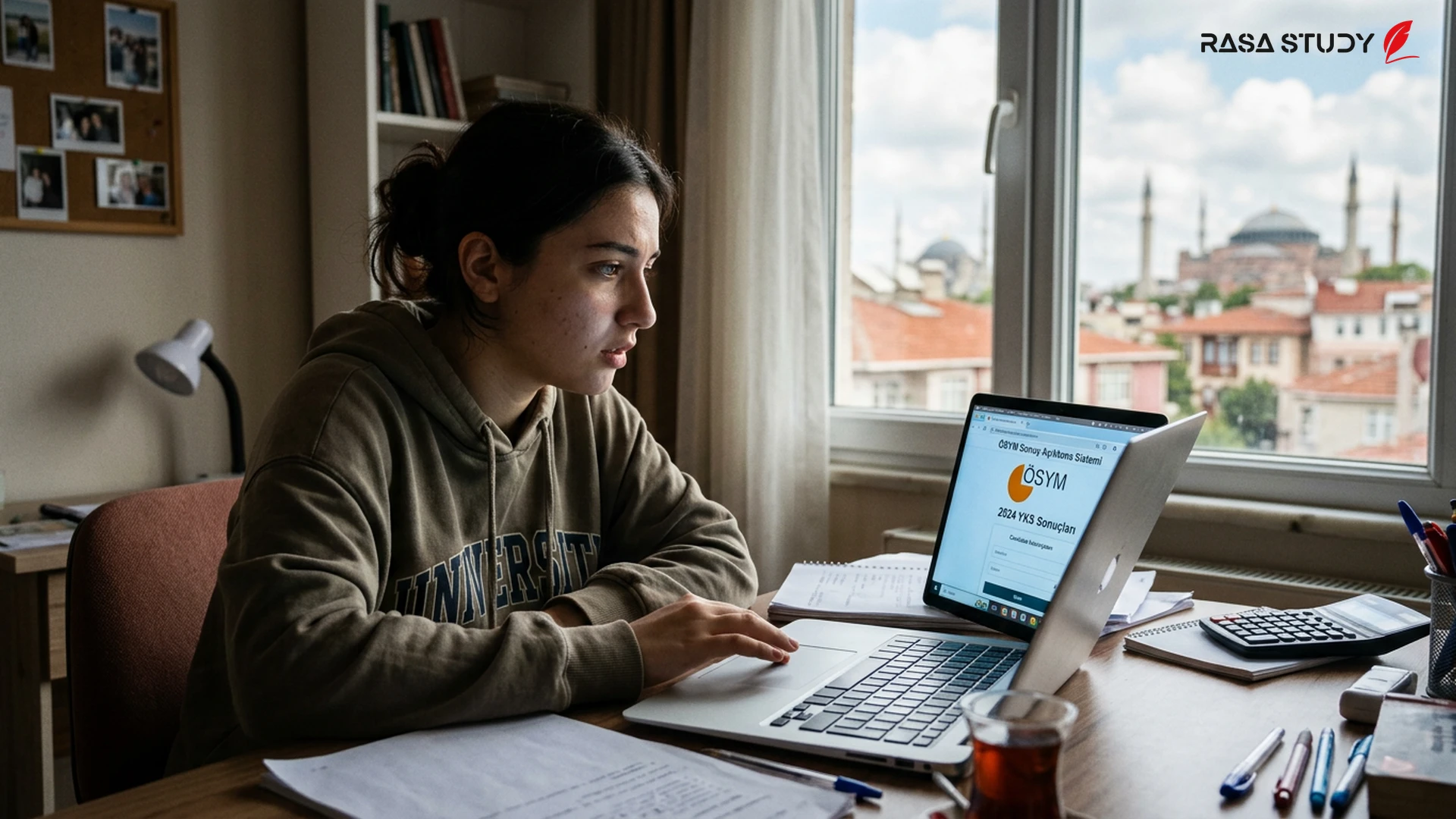
The publication of a report in the Yeni Mesaj newspaper titled 'Special University Privilege for Refugees' has once again ignited heated debates regarding educational justice and special quotas for foreign nationals in Turkey's higher education system.
Today, July 18, 2026, the Turkish media landscape is dominated by new reports claiming discrimination in the university admission system in favor of refugees. In a sharp report, the Yeni Mesaj newspaper claimed that the government has considered special facilities and privileges for refugees to enter universities, which has resulted in the violation of the rights of local candidates [1].
Yeni Mesaj's Claim: 'Discrimination Against Turkish Citizens' The report, published under the headline 'Special University Privilege for Refugees,' points out that while Turkish students must pass the difficult hurdle of the national exam (YKS), many refugees and foreign nationals enter popular fields such as medicine and engineering through simpler exams like TR-YÖS [1]. This claim comes at a time when economic pressures and high inflation in Turkey have doubled public sensitivity toward any allocation of resources to foreign nationals.
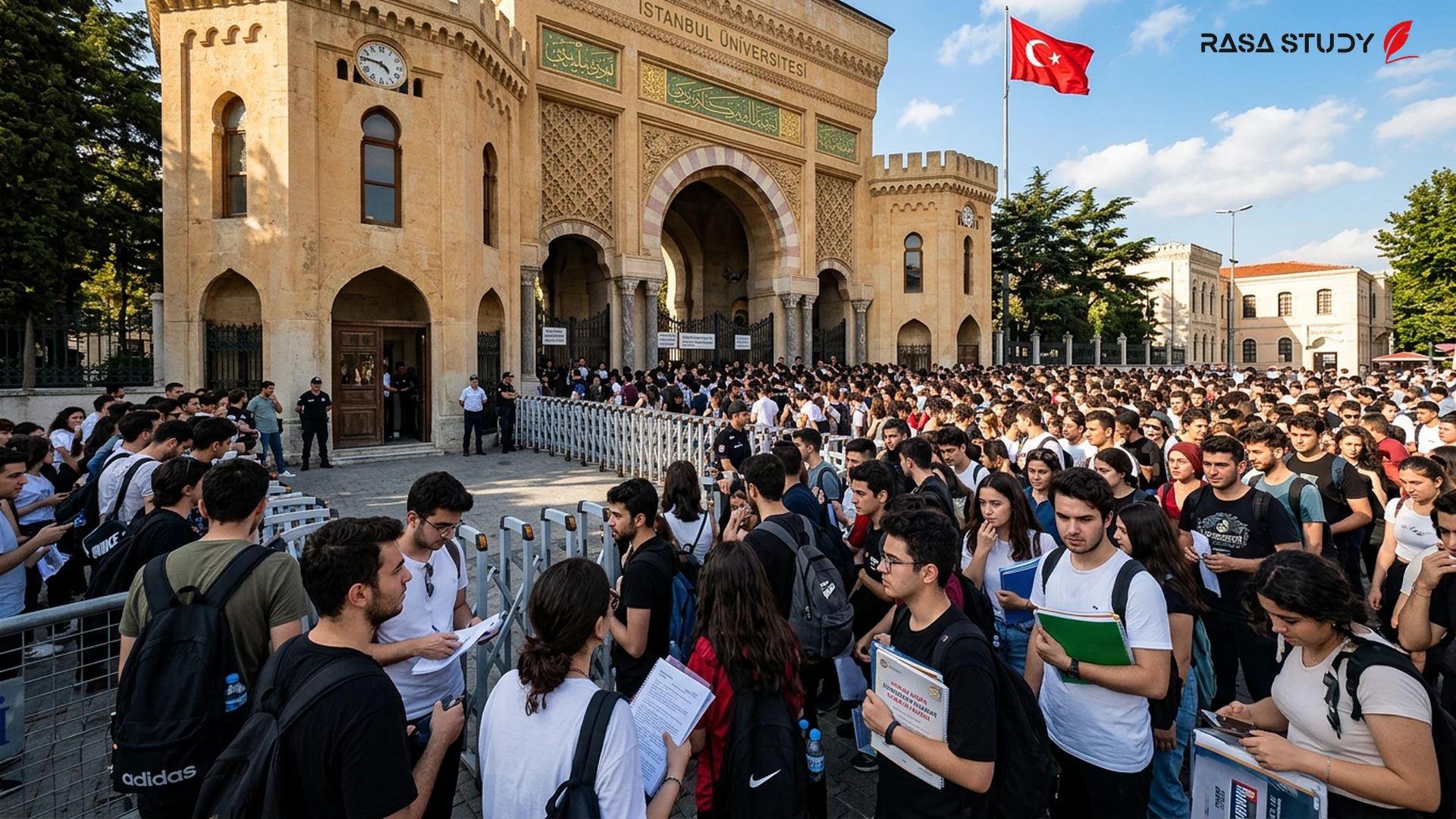
Stunning 2026 Quota Statistics: An 18% Increase According to statistics released by the Council of Higher Education (YÖK) for the 2026-2027 academic year, the quota for foreign students has reached a record 185,000, an 18% increase over last year [2]. Major universities such as Istanbul University with 8,500 quotas and Ankara University with 6,200 quotas are at the top of the list for accepting foreign students. Critics believe this capacity increase was carried out without considering educational and dormitory infrastructure and is pursued solely for the purpose of attracting foreign currency or for political goals [2].
Rule Changes in 2026: The End of Certain Facilities Contrary to the claims regarding 'special privileges,' official reports show that since the beginning of 2026, stricter rules have been established for certain refugee groups. According to new guidelines, refugees who completed their high school education in Turkey can no longer use the simplified exams intended for foreign nationals and must participate in the national YKS exam just like Turkish citizens [4]. This policy change indicates an effort to establish educational justice, although it is still viewed as a 'privilege' in various layers of society.
General Student Amnesty and Its Impact on the Educational Environment Alongside these controversies, the Turkish Parliament approved the 'General Student Amnesty' plan on July 16, 2026 [3]. This law allows thousands of students who were expelled from universities for various reasons (except for security crimes) to return. Although this law includes all students, both Turkish and foreign, some media outlets see it as an additional opportunity for foreign nationals who were previously unable to complete their studies [3].
Ultimately, while the Turkish government emphasizes the policy of 'internationalization of universities,' reports like the one published in Yeni Mesaj indicate a deep gap between official policies and public perception of justice in Turkish society.
The increase in the foreign student quota in Turkey to 185,000 in 2026 has created heated debates about educational justice.
linkSources
- Mültecilere üniversite kıyağı — Yeni Mesaj (2026-07-17)
- YÖK 2026 Yabancı Öğrenci Kontenjanları Açıklandı — Umar Eğitim (2026-03-01)
- Approval of 2026 Student Amnesty in Turkey — Rasa Study (2026-07-17)
- Higher Education for International Protection Holders in Türkiye — UNHCR (2026-01-15)