The United States government, in a clear message, has demanded a public commitment from the Islamic Republic of Iran to stop attacks on commercial vessels and guarantee freedom of navigation in the Strait of Hormuz. This request comes amid intense military tensions in July 2026.
Washington's Diplomatic Pressure for Maritime Security
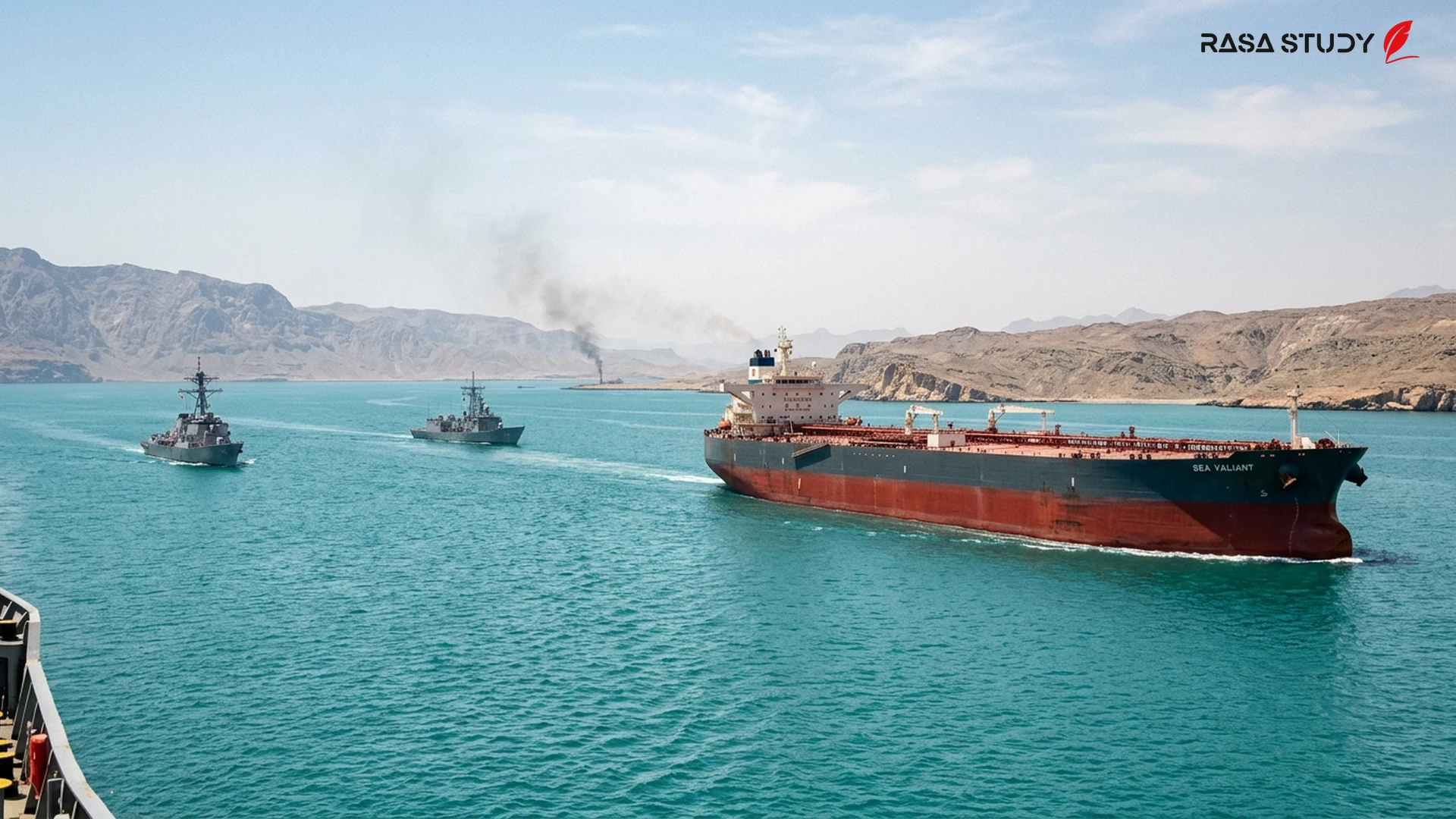
On July 11, 2026, diplomatic reports indicate that the Donald Trump administration has brought pressure on Tehran to its peak. According to Anadolu Agency and news sources in Washington, the United States has demanded that Iran publicly and officially declare that the Strait of Hormuz is open to all traffic and that its military forces will no longer attack commercial vessels [1]. This request, delivered through regional mediators as well as directly, has a specific deadline for Saturday (today) [2].
Senior American officials emphasized that only after the issuance of this public statement and the guarantee of the physical security of the waterway will progress in broader negotiations, including on nuclear programs, be possible. Washington warned that failure to comply with this demand will not have "good results" for Tehran, and military options remain on the table [3].
Background of Tensions in July 2026
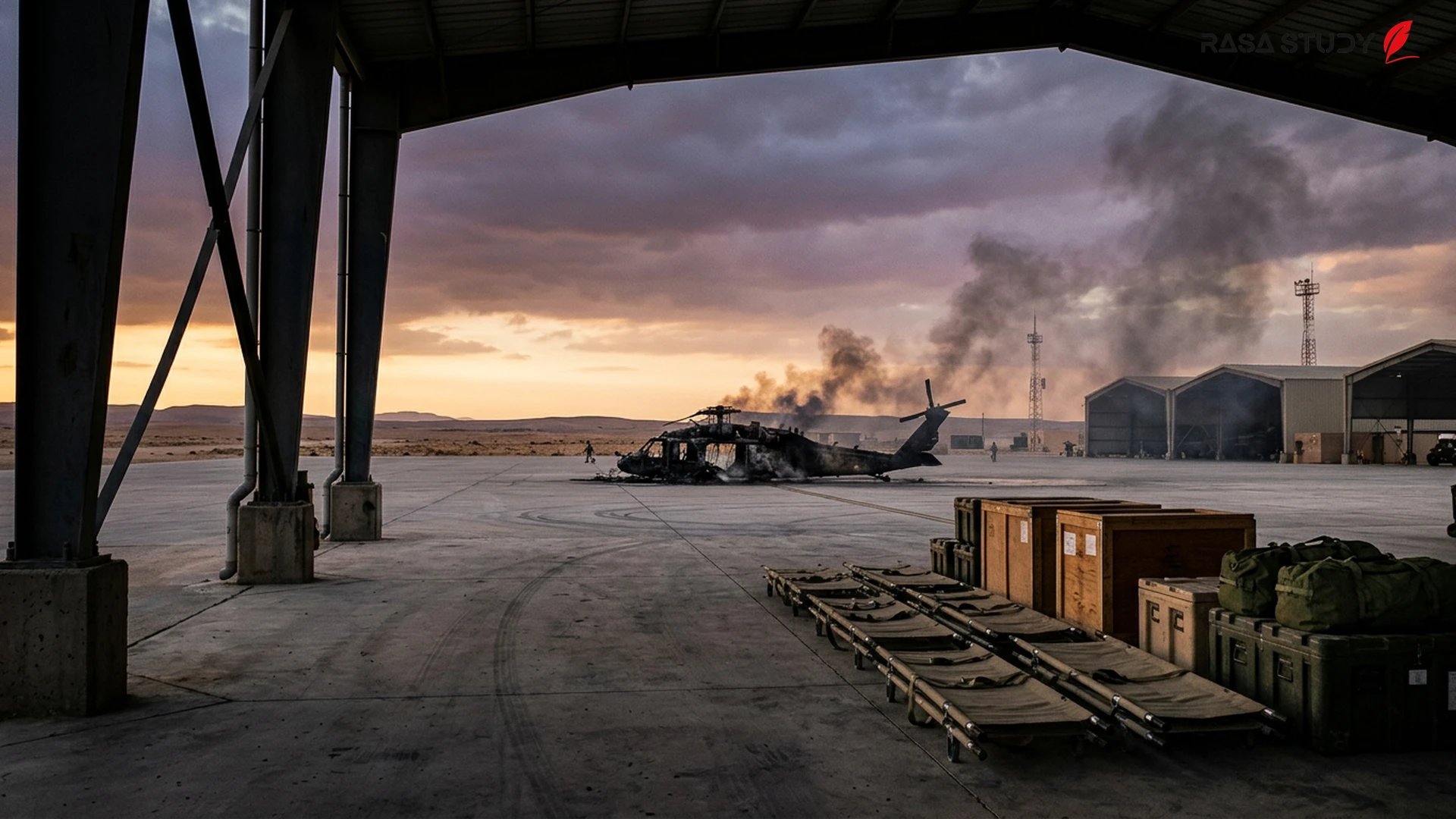
This new crisis emerged after a short-term ceasefire agreement between the two countries collapsed in early July. On July 7 and 8, reports were published of missile attacks on several tankers and commercial ships in the Strait of Hormuz, for which the United States held the Revolutionary Guard responsible [1][4]. In response to these actions, the US military conducted heavy strikes on military facilities in southern Iran, including Bandar Abbas and Qeshm Island, on July 8 and 9 [3].
The United Nations and the International Maritime Organization (IMO) expressed deep concern over the current situation, warning of the risk of a full-scale war resuming. UN Secretary-General Antonio Guterres called the recent attacks "alarming" and emphasized that a return to widespread conflict would have catastrophic consequences for the global economy and energy security [4].
Iran's Position and Mediation Efforts
In contrast, Iranian officials emphasize their exclusive sovereignty over the Strait of Hormuz. Iranian Foreign Minister Abbas Araghchi, referring to the "Islamabad Memorandum of Understanding," considers the responsibility for managing and reopening the strait to be exclusively Iran's and views any foreign intervention as a violation of national sovereignty [1]. Tehran claims that some of the recent attacks were caused by "system errors," but Washington has rejected these justifications and demanded a formal commitment [3].
Meanwhile, diplomatic efforts continue behind the scenes. Reports show that Iranian and American technical teams are scheduled to meet in Pakistan on July 12 (tomorrow) to examine ways to reduce tension [2]. Also, Qatari and Omani mediators are consulting between the two sides to prevent a broader military confrontation.
Impact on Global Energy Markets
As the world's most vital energy bottleneck, the Strait of Hormuz is the transit point for about 20 percent of internationally traded oil and liquefied natural gas (LNG). The recent crisis has caused sharp fluctuations in Brent oil prices and increased concerns about energy supply security ahead of the summer season [4]. Experts believe that if Iran does not respond positively to the US request to guarantee shipping security, the risk of a long-term closure of this waterway could push global oil prices to unprecedented records.
Tensions in the Strait of Hormuz have reached their peak following recent attacks on commercial vessels.
linkSources
- ABD, İran'dan Hürmüz Boğazı’nda gemilere saldırmama ve tüm geçişlere açık tutma taahhüdü istiyor — Anadolu Ajansı (2026-07-11)
- U.S. gives Iran Saturday deadline to publicly renounce Hormuz attacks — Axios (2026-07-10)
- Trump İran'ı 'yok etmekle' tehdit etti, ABD askeri ve diplomatik baskıyı artırdı — Investing.com (2026-07-11)
- US-Iran war: Renewed attacks in Strait of Hormuz prompt another global energy alert — United Nations (2026-07-08)