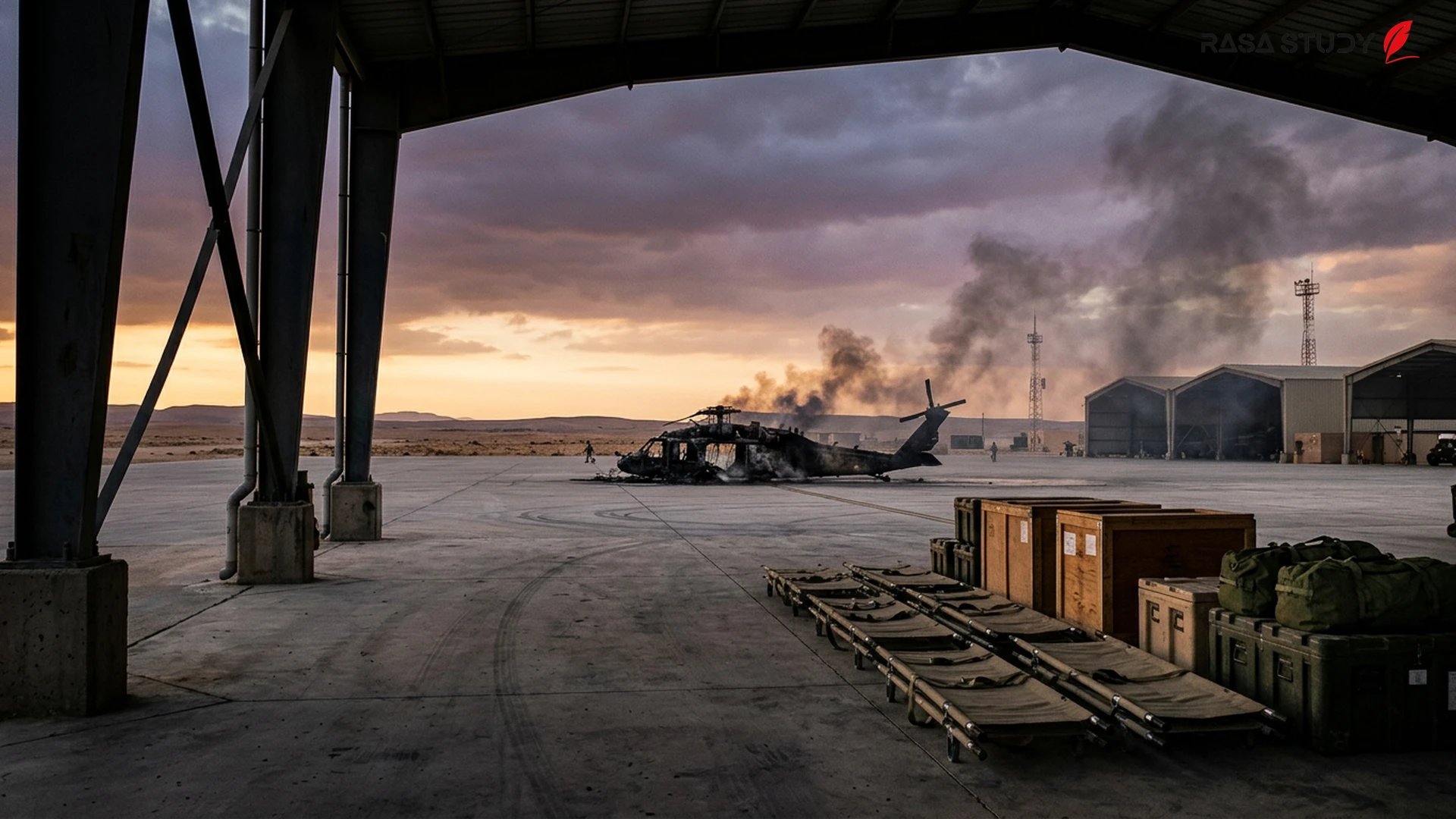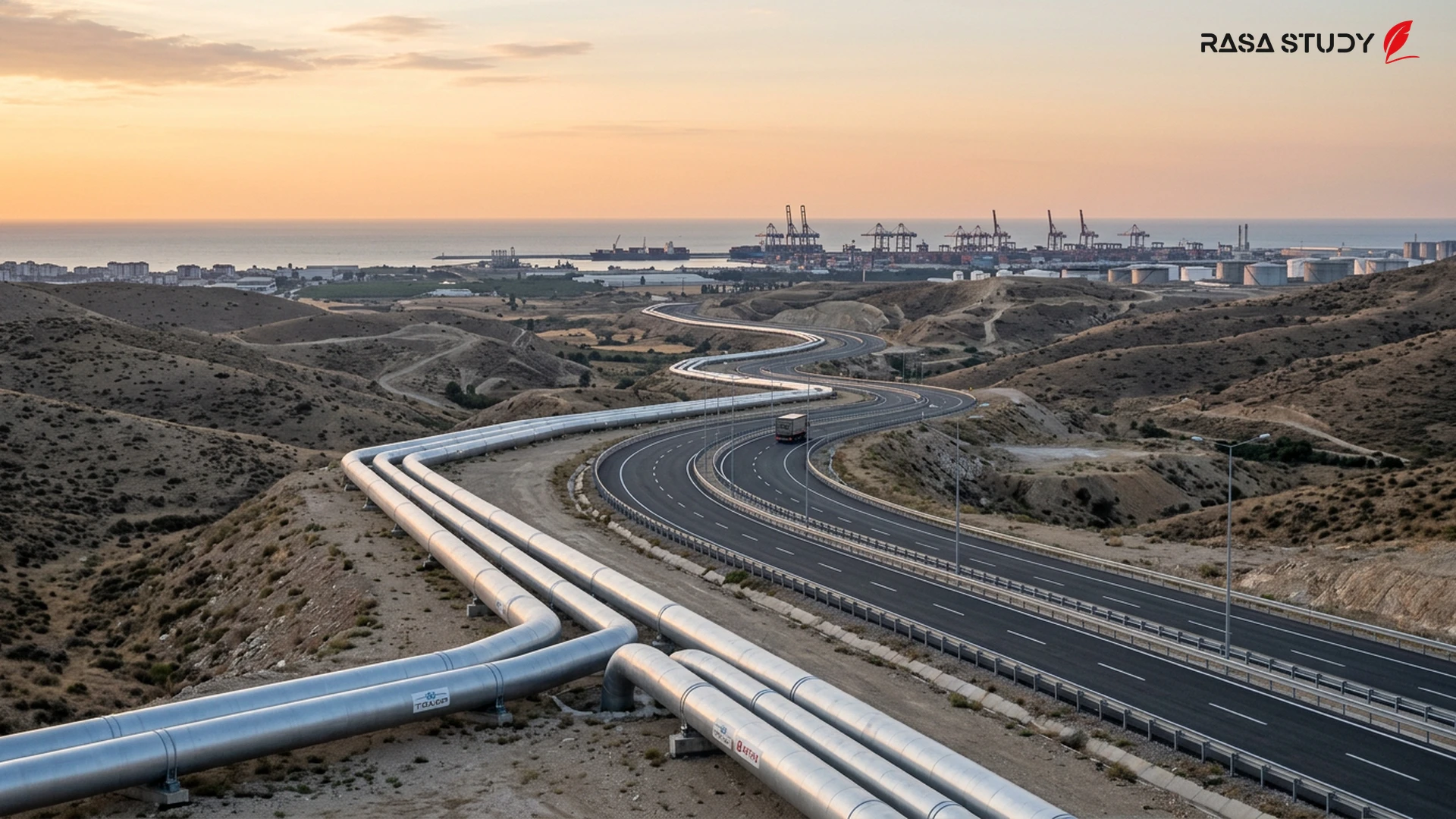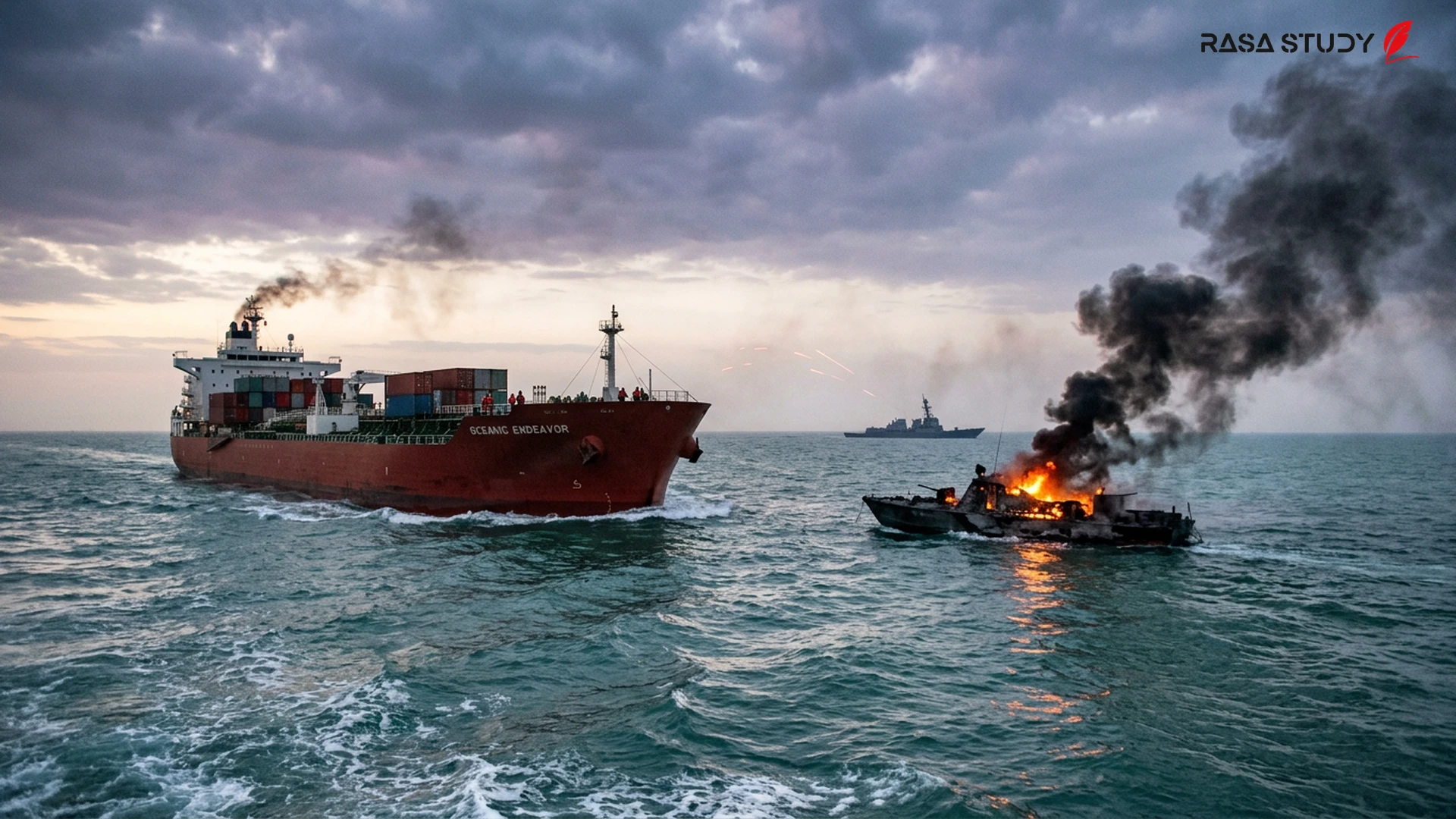
Amid escalating conflicts in the Strait of Hormuz and retaliatory US strikes on over 80 targets inside Iran, Donald Trump has officially declared that the ceasefire agreement between the two nations is over.
Extensive CENTCOM Strikes on Iranian Territory The United States Central Command (CENTCOM) announced that in response to recent attacks on commercial vessels, it targeted more than 80 military objectives inside Iranian territory [1]. This operation, which began in the late hours of Tuesday, July 7, included the bombardment of air defense systems, command centers, coastal radar sites, and the destruction of over 60 fast attack craft belonging to the Islamic Revolutionary Guard Corps [1][3]. Washington officials described this action as a necessary response to "international terrorism" against civilian tankers in the Strait of Hormuz, where a Qatari liquefied natural gas tanker and a Saudi tanker were recently struck [2][5].
Donald Trump in Ankara: "The Ceasefire Has Ended" US President Donald Trump, who is in Ankara to attend the 36th NATO Summit, officially announced the end of the ceasefire agreement with Tehran during a joint press conference with the NATO Secretary General [4]. Trump stated in a sharp tone: "In my opinion, the ceasefire with Iran is over. They are liars and did not adhere to the memorandum of understanding signed last month" [4]. He further added that Iran must never achieve nuclear weapons and claimed that last night's attacks caused serious damage to the country's military infrastructure [5]. In another part of his speech, Trump addressed other NATO issues, severely criticizing Spain while confirming that Turkey will receive F-35 fighter jets.
Iran's Missile Response and Targeting Regional Bases In response, the Islamic Republic of Iran accused the United States of a clear violation of the June memorandum. The Islamic Revolutionary Guard Corps announced in a statement that in response to US aggression, it targeted 85 of the country's military centers in Bahrain and Kuwait with missile and drone attacks [1][3]. Field reports indicate that sirens were heard at US bases in the region, and the Kuwaiti military confirmed that its air defenses engaged "hostile targets" [3]. Iran's Ministry of Foreign Affairs warned that these attacks have rendered previous agreements invalid and that Tehran will take more decisive measures to protect its sovereignty.
Crisis in Maritime Security and Energy Markets As the flames of conflict rose, the United Kingdom Maritime Trade Operations (UKMTO) raised the threat level in the Strait of Hormuz to "Severe" [2]. This is the highest security alert level for shipping in the region since June. Following these developments, global oil prices saw a sudden jump, and many shipping companies rerouted their tankers [5]. Analysts believe that the exit from the ceasefire and the return of oil sanctions, which Trump alluded to in Ankara, could severely impact energy market stability for months to come.
The Strait of Hormuz on July 8, 2026; following mutual attacks between Iran and the US, the maritime threat level has reached a critical state.
linkSources
- US and Iran trade military strikes in Strait of Hormuz — Washington Post (2026-07-08)
- UKMTO increases threat level in Strait of Hormuz to 'severe' — Fox News (2026-07-08)
- Middle East crisis: US military hits 80 targets in Iran — The Guardian (2026-07-08)
- Trump: Bence İran ile ateşkes bitti — Bloomberg HT (2026-07-08)
- Trump'tan Beştepe'de kritik İran açıklaması — Sabah (2026-07-08)