In the wake of the failure of diplomatic negotiations and the suspension of Geneva Memorandum of Understanding commitments, military tensions between Iran and the United States in the Persian Gulf and regional bases have reached their peak, and hopes for a lasting peace have vanished.
Collapse of the Geneva Memorandum and Diplomatic Deadlock Reports from international news sources, including Turkey's "A Haber" network, indicate that diplomatic negotiations between the United States and Iran have completely collapsed [1]. These talks, aimed at stabilizing the temporary Geneva Memorandum of Understanding (signed in June 2026) and reaching a comprehensive agreement, reached a deadlock due to deep disagreements over the method of lifting sanctions and security guarantees. Iran has announced that due to Washington's failure to adhere to key commitments, including lifting oil export restrictions and ending conflicts on the Lebanon front, it has suspended its obligations under the Memorandum of Understanding (MOU) [2].
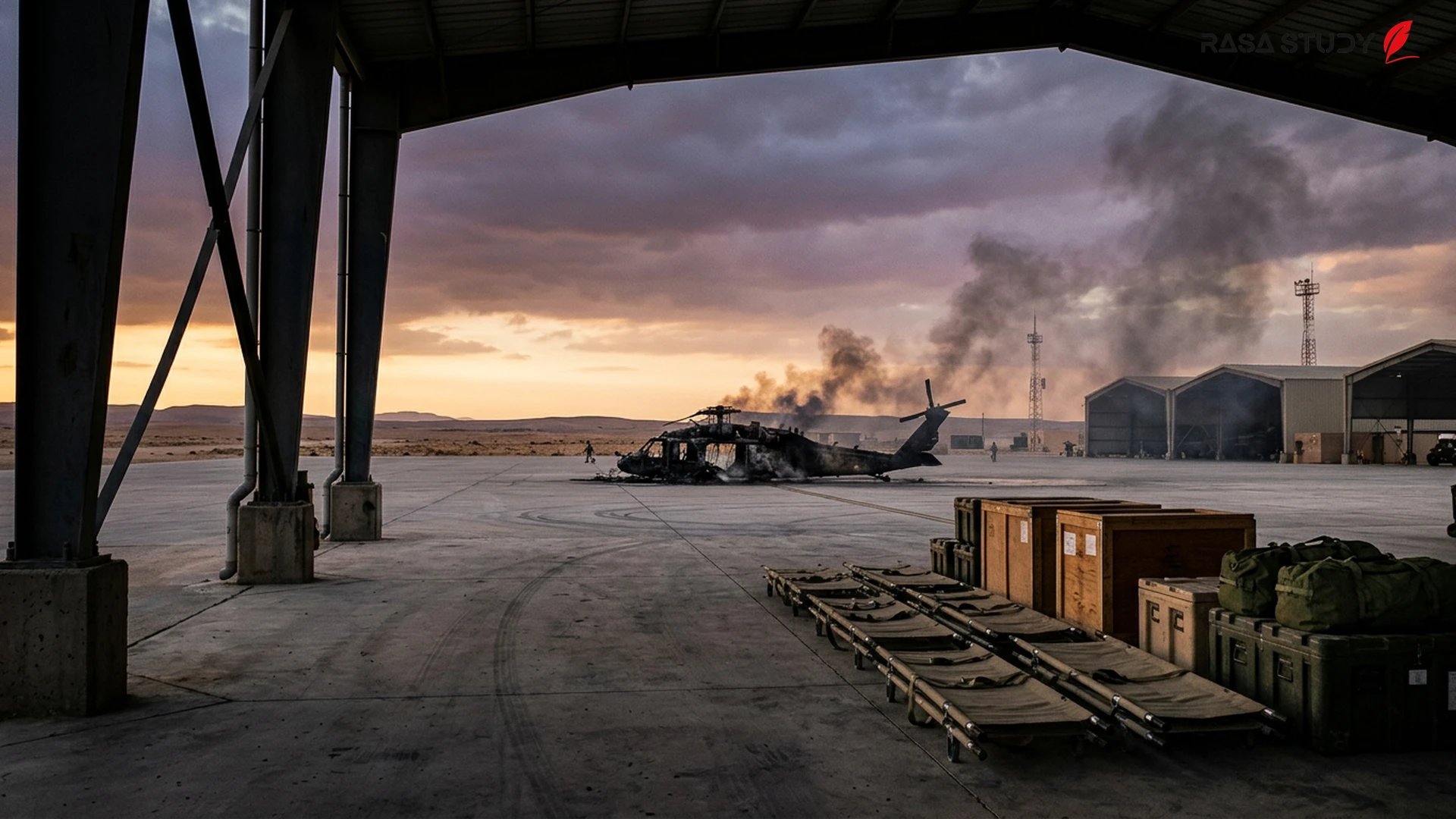
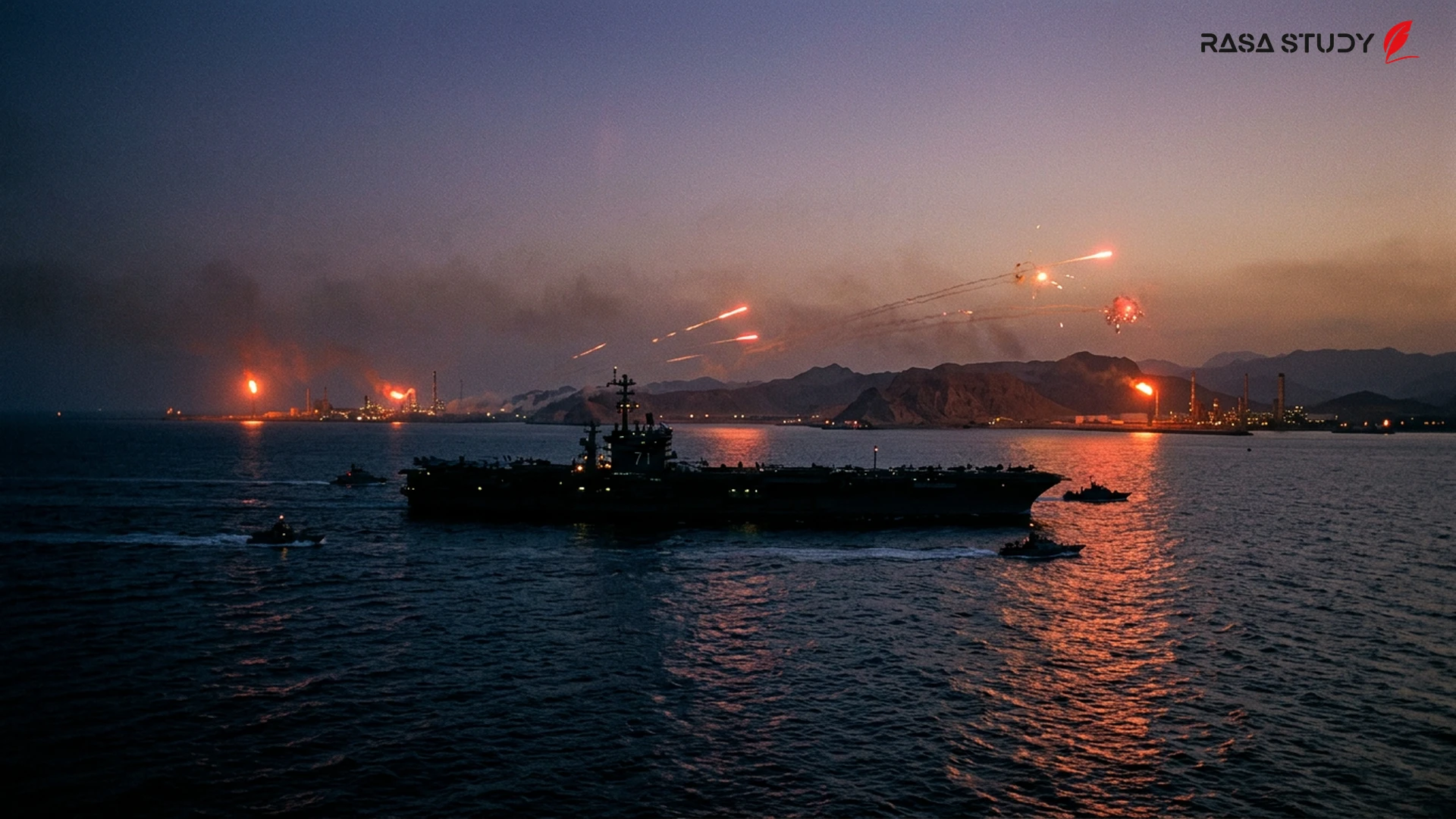
Escalation of Military Conflicts on the Seventh Night of Battle Simultaneously with the failure of diplomacy, the battlefield is witnessing unprecedented tensions. According to field reports, direct clashes between American and Iranian forces have entered their seventh consecutive night, with intensity increasing [2]. Pentagon officials have confirmed that US military bases in Jordan, Kuwait, and Bahrain have been targeted by drone and missile attacks, resulting in injuries to several military personnel. In response, the United States Central Command (CENTCOM) has announced the conclusion of a new wave of airstrikes against military infrastructure inside Iranian territory [1][3].
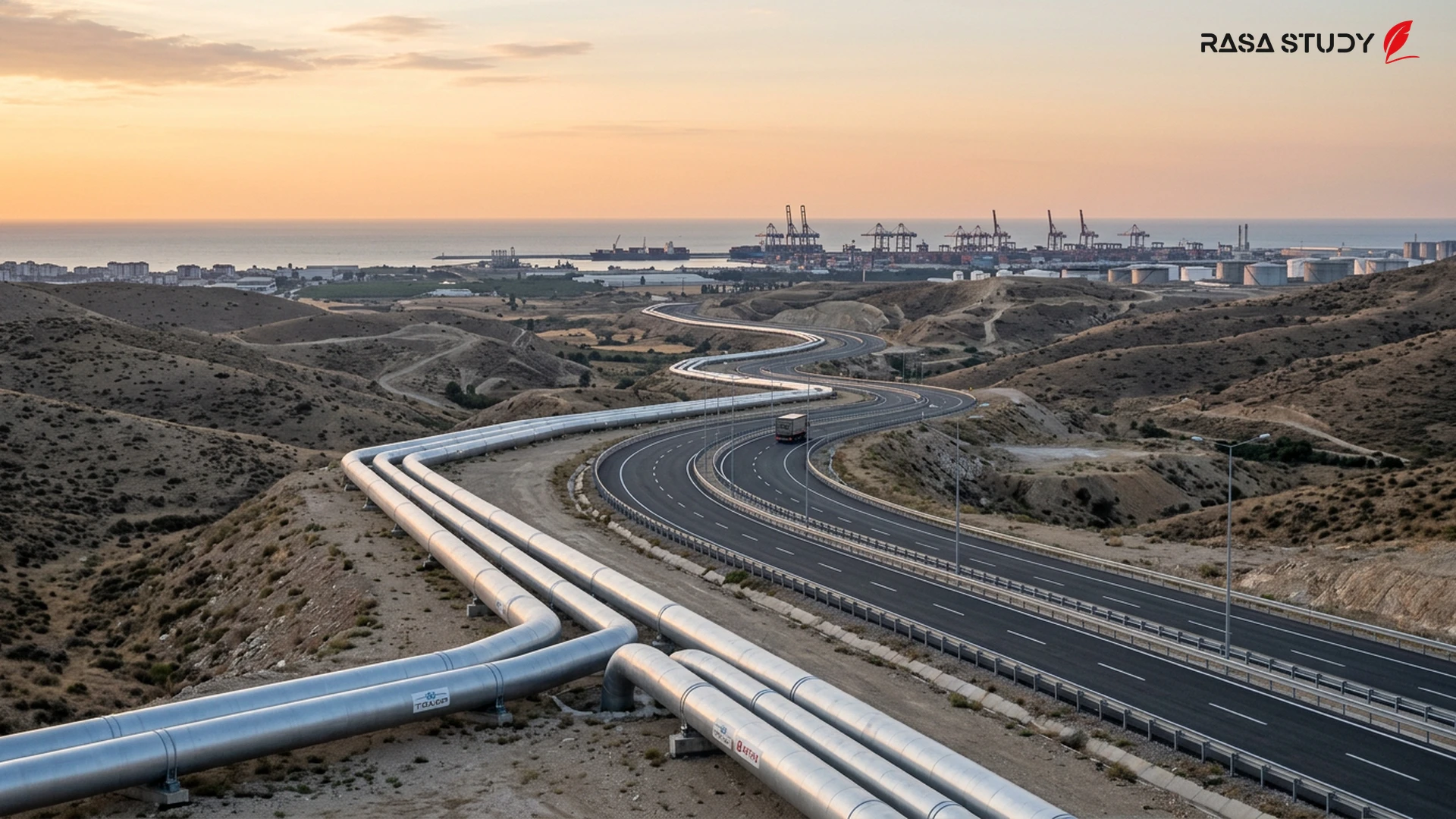
Strait of Hormuz Crisis and Economic Consequences One of the main points of contention in recent negotiations was the status of shipping in the Strait of Hormuz. While the Geneva Memorandum emphasized the reopening of this strategic waterway, reports indicate that Iran has once again imposed restrictions on the passage of vessels [5]. Tehran claims it has the right to collect "service fees" and closely monitor cargoes, a matter that has met with strong opposition from Donald Trump. This stalemate has not only affected global energy markets but has also further strengthened the possibility of a large-scale naval conflict [2][4].
What Do Analysts Say? From "Political Delusion" to "War of Attrition" John Mearsheimer, a prominent international relations theorist, believes that the war between Iran and the US has entered a dangerous "Tit-for-Tat" phase [3]. He argues that neither side is willing to back down, and this could lead to a long-term war of attrition. On the other hand, Iranian domestic media have described Donald Trump's administration policies as "political delusion," believing that Washington's maximum pressure strategy has failed once again [2]. Given the current conditions, a return to the negotiating table in the near future seems very unlikely, and the Middle East region is preparing itself for more difficult days.
With the failure of diplomatic negotiations in July 2026, the shadow of war and military conflict once again looms over the Persian Gulf region.
linkSources
- ABD-İran arasındaki müzakereler çöktü — A Haber (2026-07-17)
- استراتژی آمریکا فروپاشیده/ ترامپ باز هم از ایران شکست میخورد — Tasnim News (2026-07-18)
- مرشایمر: جنگ با ایران وارد مرحله اقدام در برابر اقدام شده است — IRNA (2026-07-15)
- Iran has agreed to allow UN nuclear inspectors back into the country — The Guardian (2026-06-22)
- Why did Donald Trump declare the ceasefire with Iran over in July 2026? — Britannica (2026-07-14)