On July 8, 2026, global energy markets faced a double shock from the revocation of Iranian oil licenses and military clashes in the Strait of Hormuz, leading to a 5% jump in Brent oil prices.
Revocation of Oil Licenses; Return of Washington's Maximum Pressure In a sudden move that stunned global markets, the US Treasury Department announced it has revoked "General License X," which allowed the production, delivery, and sale of Iranian crude oil and petrochemical products [1]. This license, issued only two weeks ago as part of an interim agreement, has now been replaced by a more restrictive license that only allows ongoing transactions to be finalized by July 17 [2]. This decision signifies a complete halt to new Iranian oil purchases in international markets and directly targets Tehran's foreign exchange revenue.
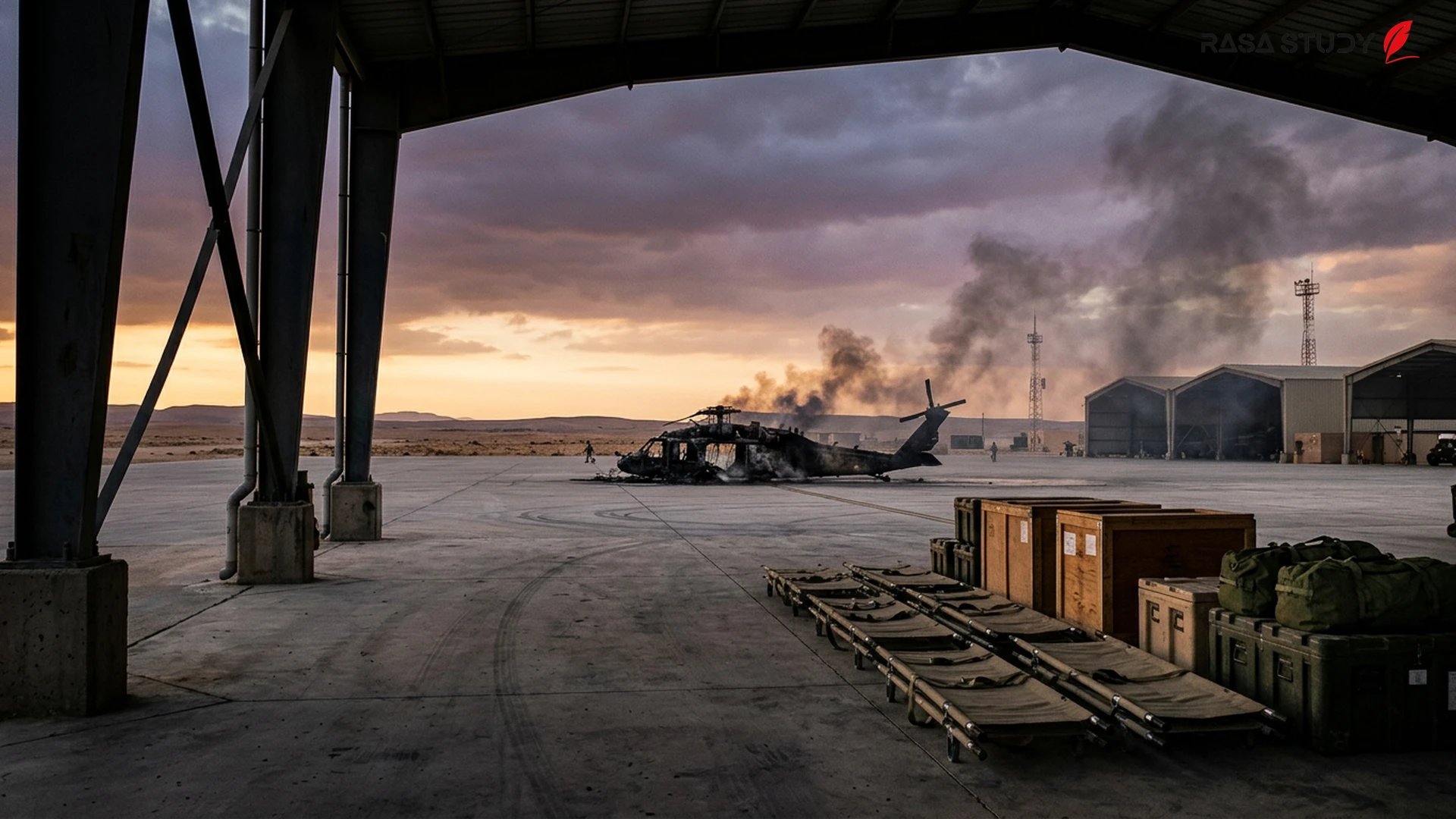
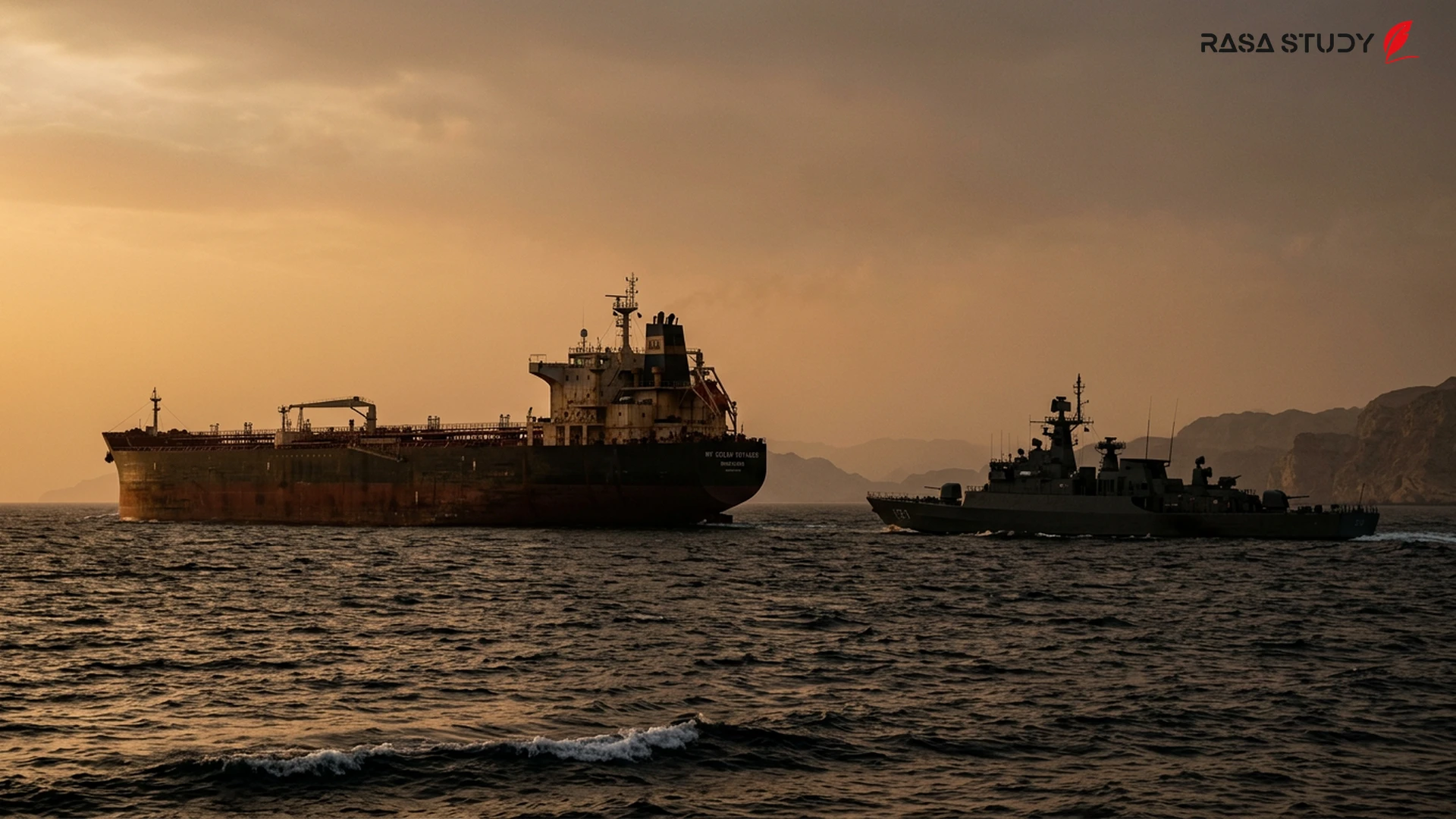
Military Tension in the Strait of Hormuz and CENTCOM's Response These economic sanctions were imposed immediately following physical clashes in one of the world's most vital waterways. According to reports, three tankers in the Strait of Hormuz were targeted by unidentified projectiles, for which Washington held Iran responsible [3]. In response to these incidents, the United States Central Command (CENTCOM) conducted heavy airstrikes against Iranian military positions, including air defense systems, coastal radars, and IRGC fast boats [4]. US President Donald Trump, on the sidelines of the NATO summit in Ankara, explicitly stated that the fragile ceasefire established in June has now ended [5].
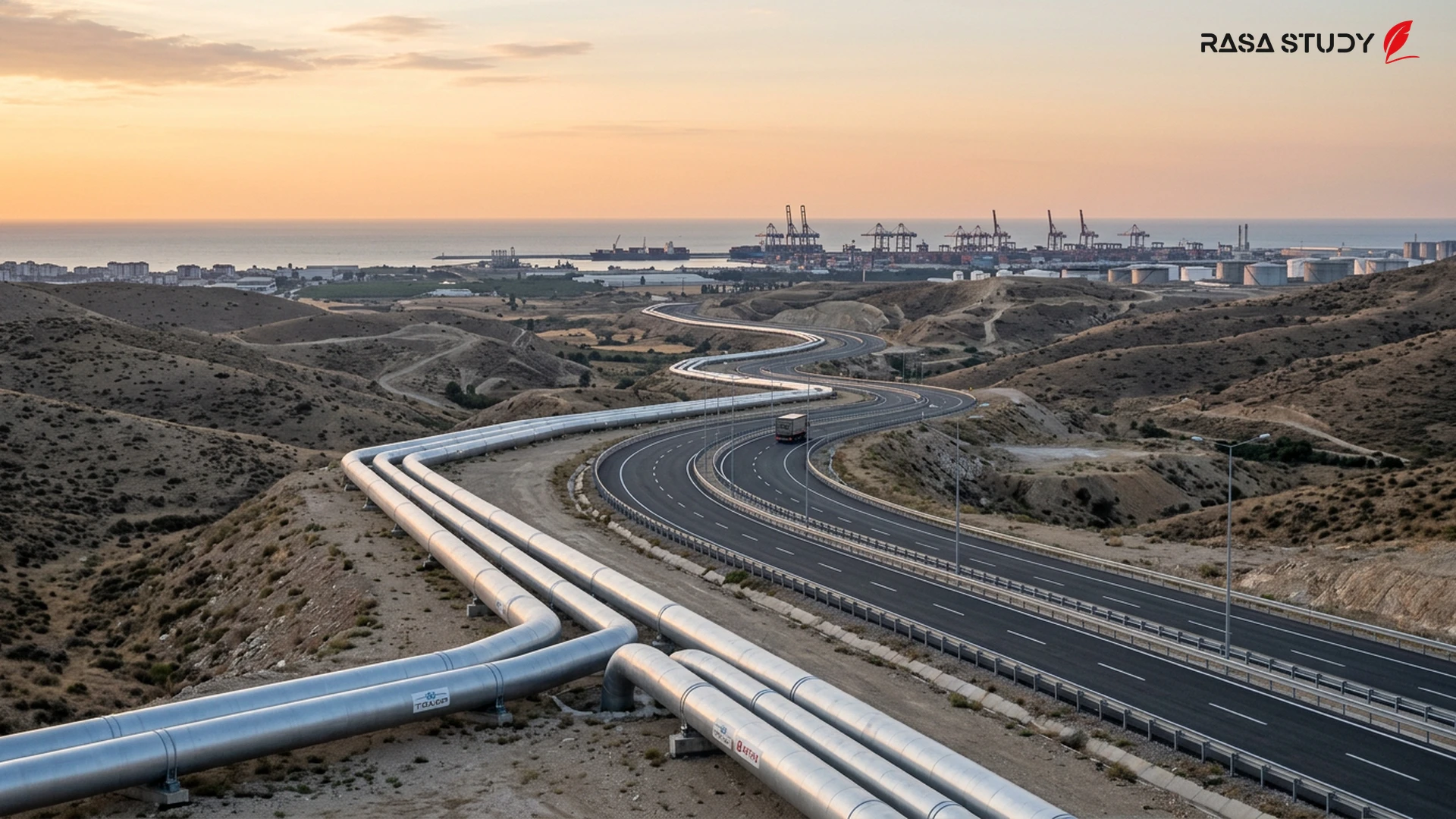
Global Market Reaction and Price Surge The oil market reacted swiftly to these developments. Brent crude prices saw a staggering jump to over $78 per barrel, and West Texas Intermediate (WTI) experienced a similar increase [5]. Economic analysts believe that the return of supply risk to the market, especially given that US Strategic Petroleum Reserves have dropped to their lowest level since 1983, could push prices even higher in the coming days [3]. This situation has negatively impacted not only fuel prices but also stock markets in Asia and Europe, causing major indices to drop.
Uncertain Fate of Diplomatic Agreements This new crisis has placed the Memorandum of Understanding (MoU) signed between Iran and the US on June 18, 2026, on the brink of total collapse. While US officials say negotiations are still ongoing, they emphasize that any Iranian benefit from sanctions relief is contingent upon "good behavior" and maritime security [2]. On the other hand, the Iranian Ministry of Foreign Affairs has called these US actions a clear violation of previous agreements and warned of the consequences [4]. The world now watches the Strait of Hormuz with concern to see if these tensions will escalate into a full-scale conflict.
Military and diplomatic tensions on July 8, 2026, caused severe turbulence in the global oil market.
linkSources
- ABD İran'a mühlet vererek duyurdu: Petrolün satışına geçici olarak izin veren lisans iptal edildi — Yeni Şafak (2026-07-07)
- Trump administration revokes Iran oil waiver after Hormuz attacks — CBS News (2026-07-07)
- Oil prices rise after fresh US strikes on Iran and return of sanctions — The Guardian (2026-07-08)
- US pairs military strikes with reimposition of strict oil sanctions on Iran — Gulf News (2026-07-08)
- Crude prices surge on renewed Middle East tensions as US and Iran trade strikes — ICIS (2026-07-08)