As indirect technical talks begin in Doha, the diplomatic atmosphere between Tehran and Washington has entered a sensitive state. While Qatar plays the role of mediator, ambiguities regarding the possibility of direct contact between officials of the two countries remain.
Negotiations Begin in an Atmosphere of Doubt Today, July 1, 2026, the capital of Qatar has once again become the focus of world diplomatic attention. According to reports published by reputable media outlets such as CNN Türk, delegations from the United States and the Islamic Republic of Iran have arrived in Doha to advance technical talks [1]. These meetings follow the signing of a Memorandum of Understanding (MoU) on June 17, which aims to establish a 60-day ceasefire and resolve fundamental disputes between the two sides. However, despite the simultaneous presence of representatives in the same city, the atmosphere surrounding these negotiations is accompanied by serious doubt and ambiguity.
Conflict in Narratives: Direct or Indirect? One of the main points of ambiguity in recent developments is the nature of the contacts between the two countries. US President Donald Trump claimed that Iran had requested new negotiations in Qatar and that these meetings would be held directly [3]. However, Iranian officials, including Foreign Ministry Spokesperson Esmaeil Baghaei, have strongly denied this claim. Tehran emphasizes that it has no plans for a direct meeting with the American delegation and that the talks are being pursued solely on a technical basis through Qatari and Pakistani mediators [2][4]. In this regard, Steve Witkoff, Trump's special envoy to the Middle East, and Jared Kushner, his senior advisor, have held meetings with the Prime Minister of Qatar to review the grounds for implementing previous agreements without sitting at the negotiating table with their Iranian counterparts [1][5].
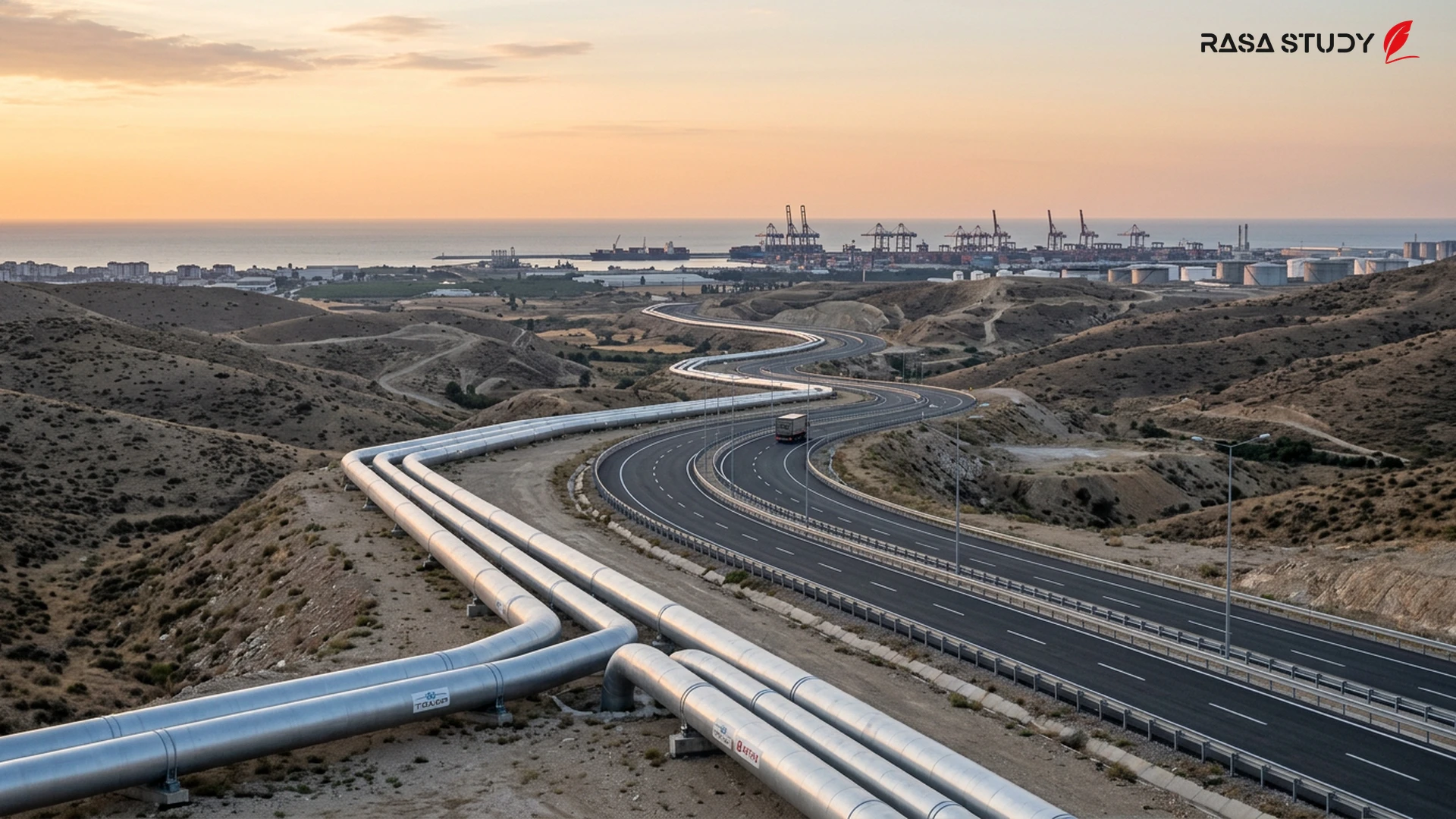
Main Pillars of the Talks: From Assets to Maritime Security The current negotiations in Doha are focused on several key pillars, each of which has the potential to turn into a new crisis. Iran's first priority is the release of $6 billion of its frozen assets, which, according to preliminary agreements, must be transferred to specific accounts [3]. On the other hand, the issue of security in the Strait of Hormuz has become one of the most challenging topics. Iran emphasizes its right to control maritime traffic and receive navigation tolls, while the United States considers this region an international waterway and has declared any restrictions on the movement of commercial ships unacceptable [2].
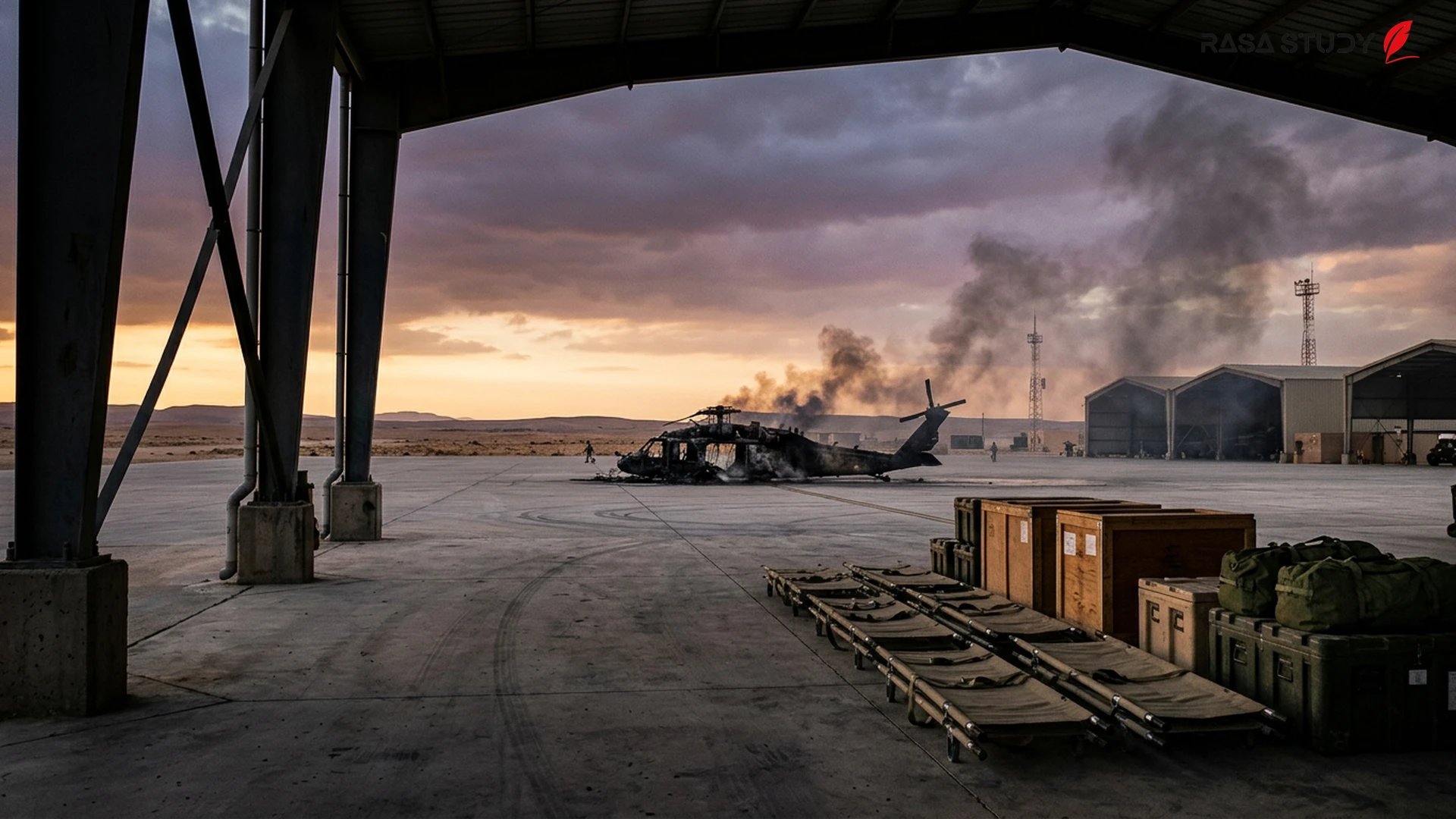
The Heavy Shadow of Recent Tensions on the Negotiating Table This round of talks begins as military tensions in recent days have cast a heavy shadow over diplomacy. The occurrence of sporadic clashes in the Persian Gulf and drone attacks on oil tankers in the Strait of Hormuz have further revealed the fragility of the current ceasefire [4]. Given that the 60-day deadline to reach a comprehensive agreement expires in mid-August, diplomats worry that a lack of progress in the Doha technical negotiations and continued political rhetoric could once again push the region toward a widespread conflict. Currently, the world is waiting to see whether Qatari mediation can build a bridge between the rigid positions of Tehran and Washington or not [5].
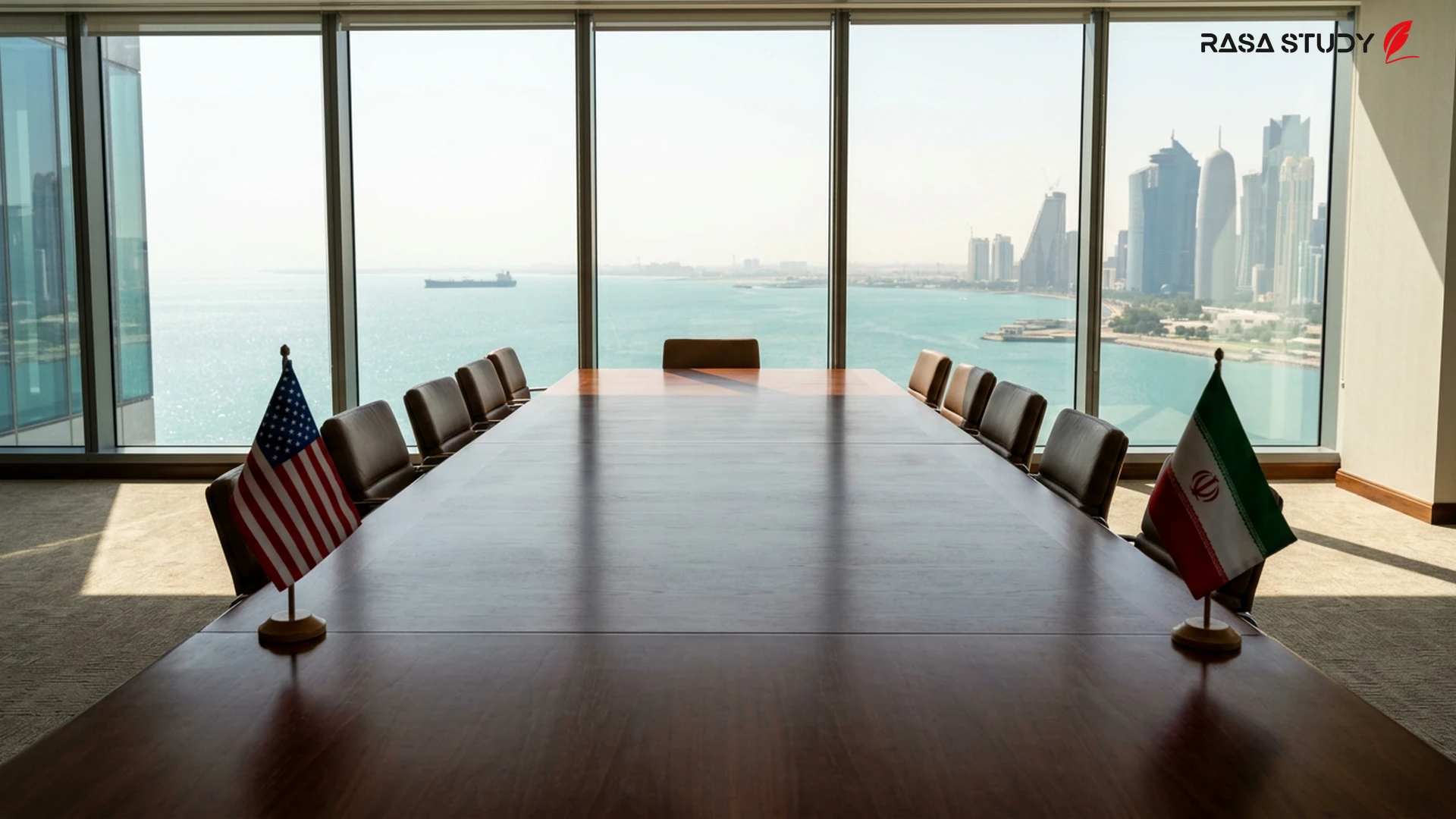
Doha, the capital of Qatar, is once again hosting sensitive talks to reduce tensions between Tehran and Washington in July 2026.
linkSources
- Katar'da kritik bekleyiş: ABD-İran teması belirsiz — CNN TÜRK (2026-07-01)
- US-Iran negotiations: What's the latest? — Al Jazeera (2026-07-01)
- Indirect U.S.-Iran technical talks underway in Doha — The Hindu / Reuters (2026-07-01)
- U.S. Envoys Meet With Mediators in Doha to Discuss Iran Deal — TIME (2026-06-30)