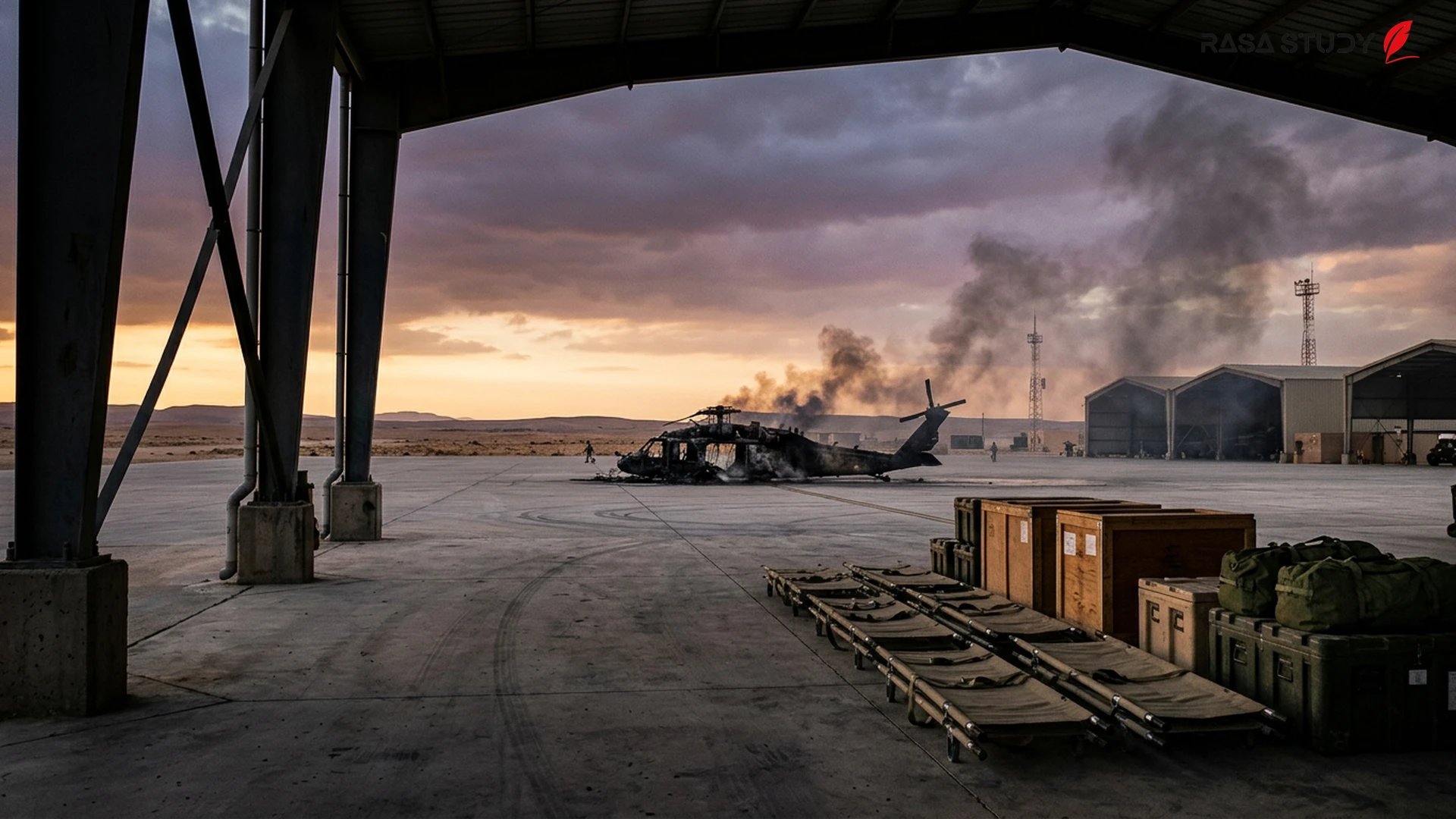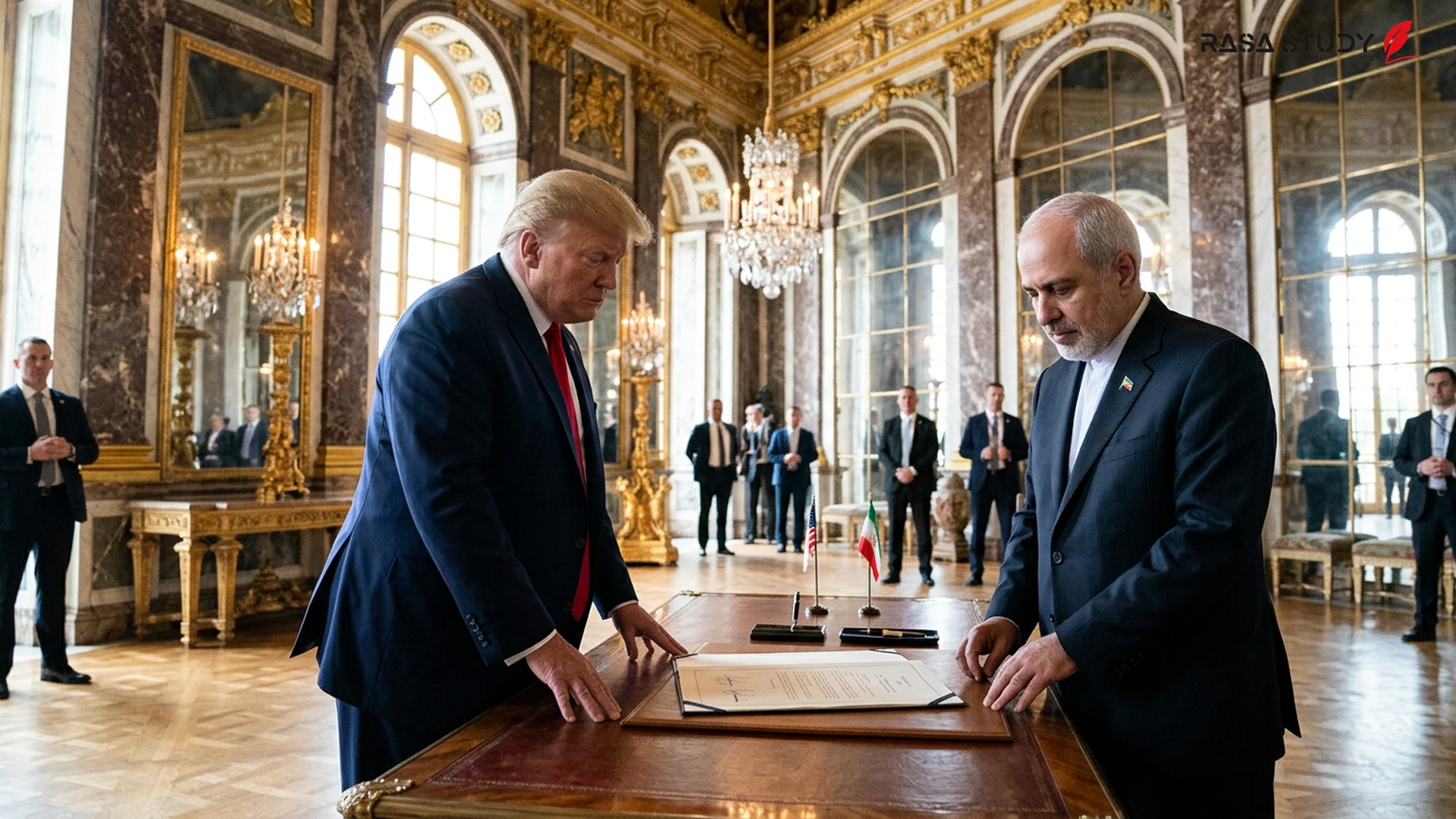
In June 2026, the signing of a historic memorandum between Donald Trump and Iranian officials in Versailles opened a new chapter in the tense relations between the two countries. This agreement, which includes the reopening of the Strait of Hormuz, fuels speculation about a shift in Trump's approach.
The Versailles Memorandum: A Sudden Shift in Trump's Diplomacy On June 17, 2026, Donald Trump signed a 14-point Memorandum of Understanding (MoU) with Iran on the sidelines of the G7 summit at the Palace of Versailles in France, which appears to be a turning point in his foreign policy [1][5]. This agreement, reached after a brief but intense military conflict known as the "12-Day War" in early 2026, includes an immediate and permanent ceasefire on all fronts, including Lebanon [4]. Trump described the deal as Iran's "unconditional surrender," but analysts see it as an attempt to escape a costly economic stalemate [2][5].
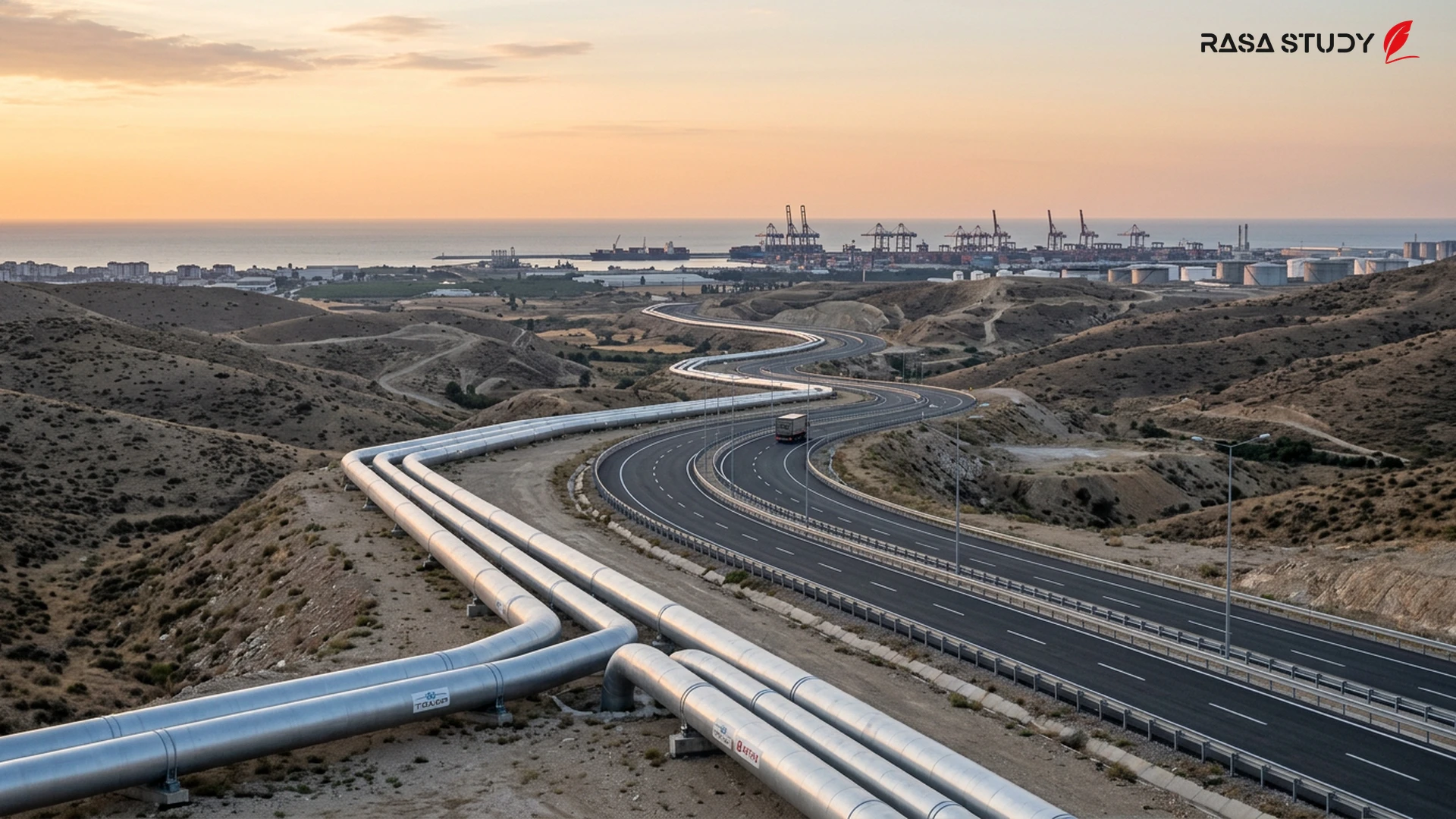
Reopening the Strait of Hormuz and Lifting the Naval Blockade One of the most significant achievements of this memorandum is the full reopening of the Strait of Hormuz to commercial traffic and the lifting of the naval blockade of Iran by the United States Navy [1][3]. According to published reports, Iran has committed to guaranteeing the security of shipping in this strategic waterway, and in return, Washington has eased restrictions on the export of Iranian oil and petrochemical products [3]. This move immediately caused a drop in global oil prices and a rise in stock market indices in international markets [5]. Additionally, there are discussions about establishing a $300 billion reconstruction fund for Iran with the participation of regional partners [1][4].
The Rift Between Washington and Tel Aviv This new approach by Trump has been met with a sharp reaction from America's longtime ally, Israel. Media reports, such as those from "Hebergo," indicate that Benjamin Netanyahu considers the agreement a "strategic mistake" and claims that Israel's interests were ignored in these negotiations [1]. The lack of mention of Iran's ballistic missile program and the activities of proxy groups like Hezbollah in the text of the memorandum has created unprecedented tension between Trump and Netanyahu; to the point where Trump has referred to his critics on social media as "stupid people" [2][5].
60-Day Mission in Switzerland While the initial memorandum has been signed, senior negotiators from both countries have been stationed in Switzerland to draft the technical details of the final agreement within a 60-day timeframe [3][4]. Donald Trump recently announced in a post on his social media platform that Iran has agreed to the "highest level of nuclear inspections" to ensure what he calls "nuclear honesty" [2]. However, Abbas Araghchi, Iran's Foreign Minister, emphasized that while Tehran is ready for diplomacy, "the technology and will of the Iranian nation cannot be bombed," and any breach of promise will be met with a decisive response [3].
Donald Trump signed a 14-point memorandum to end conflicts with Iran on the sidelines of the G7 summit in Versailles.
linkSources
- Trump ve İsrail Hattında Kırılma mı Başlıyor? ABD-İran Anlaşması ve Yeni Güç Dengeleri — HaberGo (2026-06-18)
- Trump says Iran agrees to 'highest level' nuclear inspections — Al Arabiya (2026-06-23)
- US and Iran conclude peace talks after Trump threats — The New Daily (2026-06-22)
- Iranian and American negotiators give themselves 60-day sprint to peace accord — Washington Post (2026-06-21)
- A memorandum of little understanding: Trump’s Iran war — Chatham House (2026-06-17)