Diplomatic reports on June 29, 2026, indicate that peace negotiations between Iran and the United States in Switzerland have abruptly stopped due to escalating clashes in the Strait of Hormuz and retaliatory military strikes.
Crisis on the Path of the Islamabad Memorandum Just weeks after the signing of the historic Islamabad Memorandum in mid-June 2026, the peace process between Tehran and Washington faces its most serious challenge. The agreement, signed with the aim of ending military clashes and reopening trade routes, is now affected by repeated violations of security provisions [1]. According to published reports, the new round of negotiations scheduled to be held over the weekend in Switzerland has been suspended due to recent attacks [2].
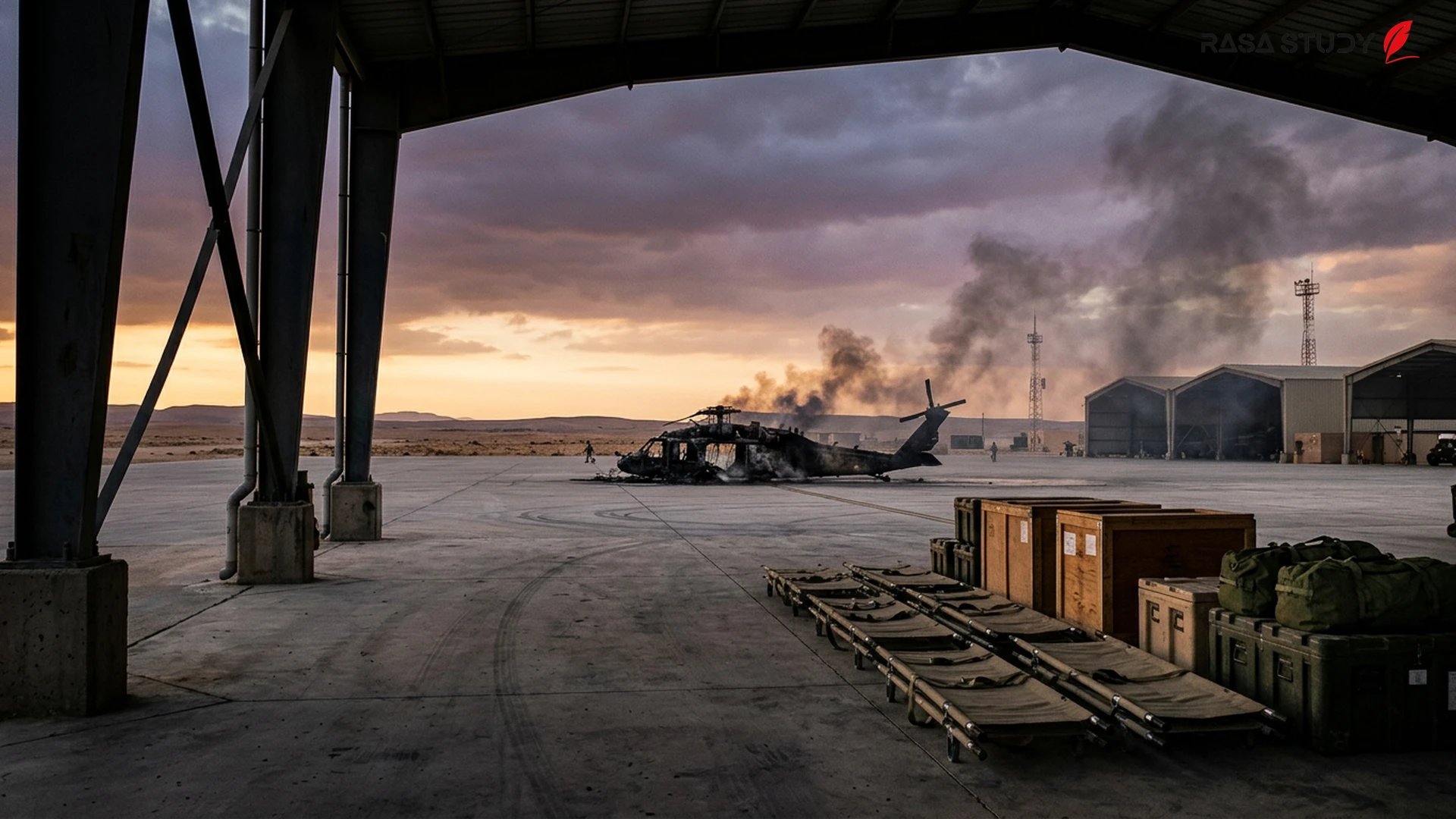
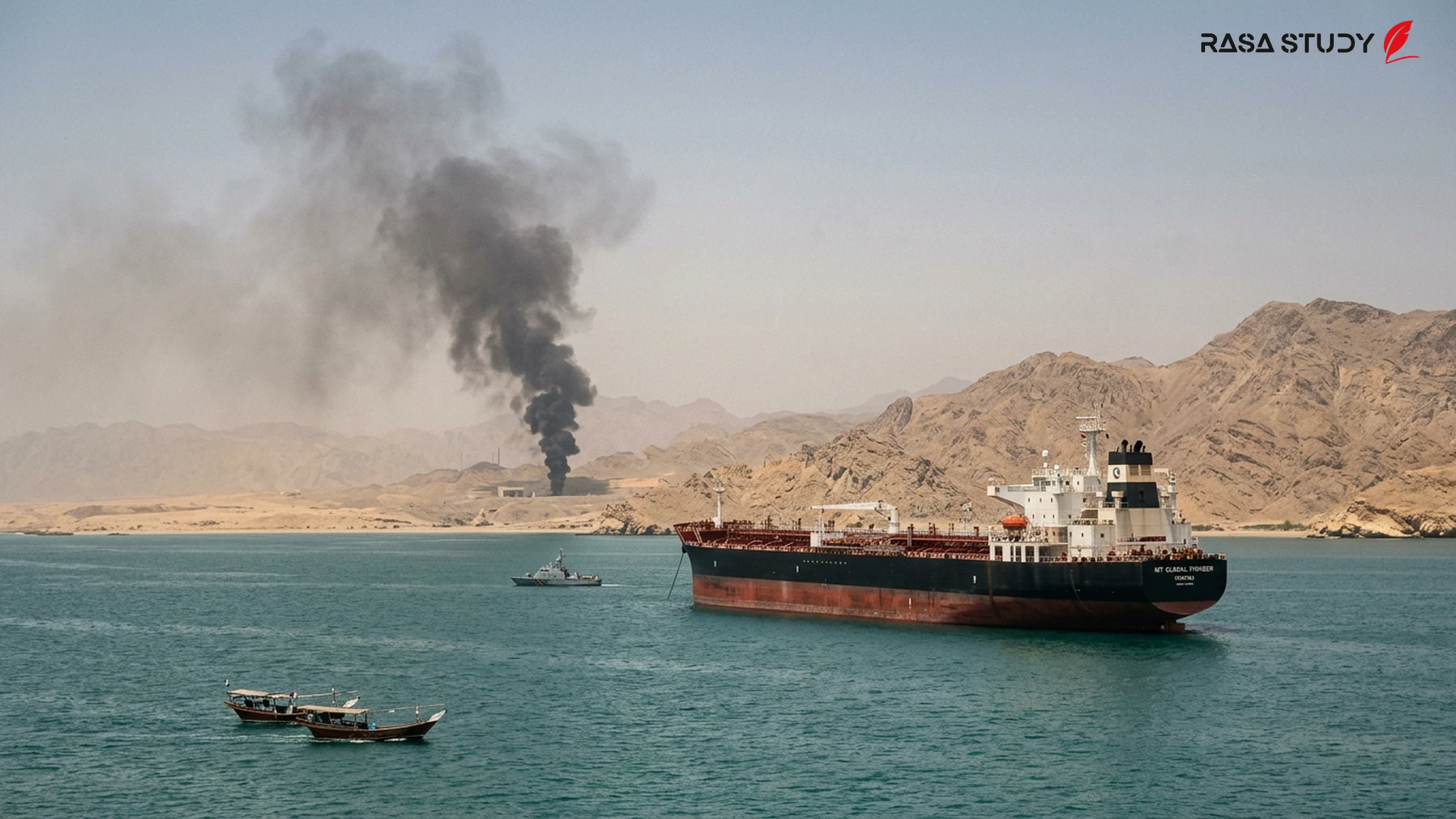
Tension in the Strait of Hormuz and Washington's Military Response The primary cause for the halt in talks is cited as intense clashes in the Strait of Hormuz. Reports indicate that following an attack on a container ship and an oil tanker in this strategic waterway, the United States responded with airstrikes on drone facilities and missile bases in southern Iran [1]. Mike Waltz, the U.S. Permanent Representative to the United Nations, emphasized that Washington will continue to target military infrastructure if international maritime traffic is threatened [2]. In response, Iranian officials have accused the United States and its regional allies of violating the ceasefire and continuing threats.
Conflicting Reports on the Future of Diplomacy While the Wall Street Journal reports a complete halt to the Switzerland talks, other sources speak of a possible shift in diplomatic routing [1]. The Axios website reported that despite the suspension of the Switzerland meetings, both sides have agreed to start technical talks in Qatar to prevent the total collapse of the memorandum [5]. These negotiations, likely starting June 30, are said to focus on resolving disputes related to transit in the Strait of Hormuz [5].
Impact of Lebanon Clashes on the Negotiating Table Another factor complicating the peace process is the escalation of tensions between Israel and Hezbollah in southern Lebanon. Since the Islamabad Memorandum included clauses to guarantee Lebanese sovereignty and halt military operations, recent clashes on this front are viewed as a clear violation of the agreement, severely reducing trust between the parties [3, 4]. JD Vance, the U.S. Vice President who led the negotiating team, has postponed his trip to Switzerland until further notice [4].
Financial Deadlock and Tehran's Demands In addition to military issues, financial disputes remain unresolved. Senior advisors in Tehran have emphasized that any progress in negotiations is contingent upon the full release of $24 billion in frozen Iranian assets [1]. Iran believes the Trump administration must demonstrate its goodwill in implementing the memorandum by releasing these funds, while Washington has tied this issue to progress in nuclear talks.
Military tensions in the Strait of Hormuz have once again brought the diplomatic process between Iran and the United States to a deadlock.
linkSources
- ABD-İran görüşmeleri durdu — Nefes Gazetesi (2026-06-28)
- Hürmüz Boğazı'ndaki gerilim masayı dağıttı! ABD-İran görüşmeleri durdu iddiası — Türkiye Gazetesi (2026-06-28)
- Talks between US and Iran in Switzerland cancelled as Israel and Hezbollah trade strikes — The Guardian (2026-06-19)
- U.S.-Iran talks planned for Friday in Switzerland postponed — Xinhua (2026-06-19)
- Axios: Technical talks to start in Qatar on June 30 — Nefes Gazetesi (2026-06-29)