Following the escalation of military conflicts in the region, the United States Central Command (CENTCOM) announced the start of a second wave of extensive attacks against military targets on Iranian soil. This operation, aimed at crippling Iran's offensive capabilities in the Strait of Hormuz, has placed the region on the brink of an all-out war.
Details of Military Operations and Targeted Objectives
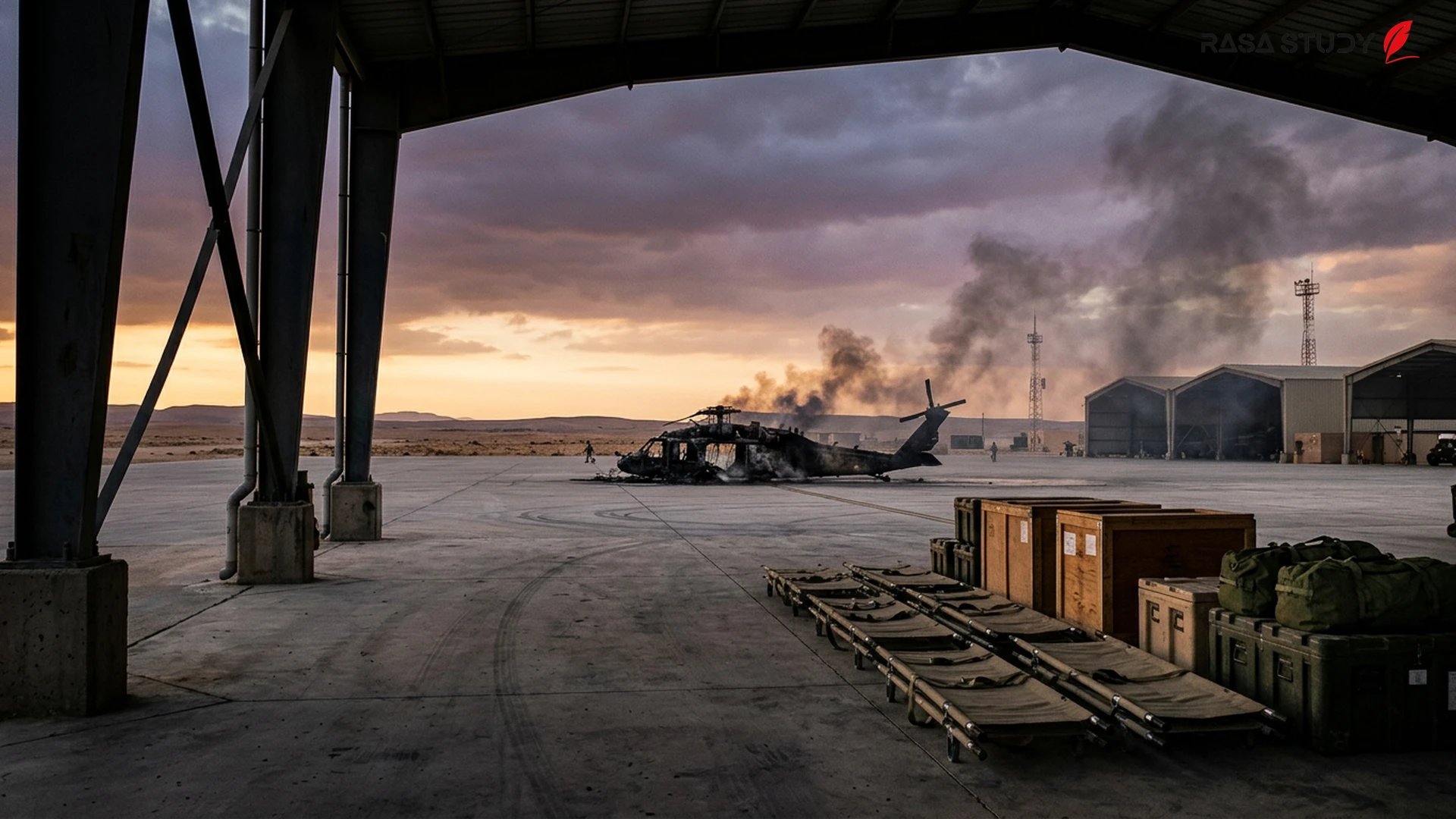
United States Central Command (CENTCOM) officially announced that in the late hours of Wednesday, it launched its second wave of air and missile strikes against Iranian military infrastructure [1]. According to released statements, these attacks used precision munitions and advanced fighter jets to target strategic positions in cities such as Bandar Abbas, Ahvaz, and Chabahar [2]. Local reports indicate the sound of massive explosions near command centers and drone warehouses. Additionally, Greater Tunb Island, considered one of Iran's key coastal defense points, was subjected to heavy 90-minute attacks during which surveillance radars and cruise missile launch platforms were destroyed [3].
Washington's Strategic Reasons and Naval Blockade
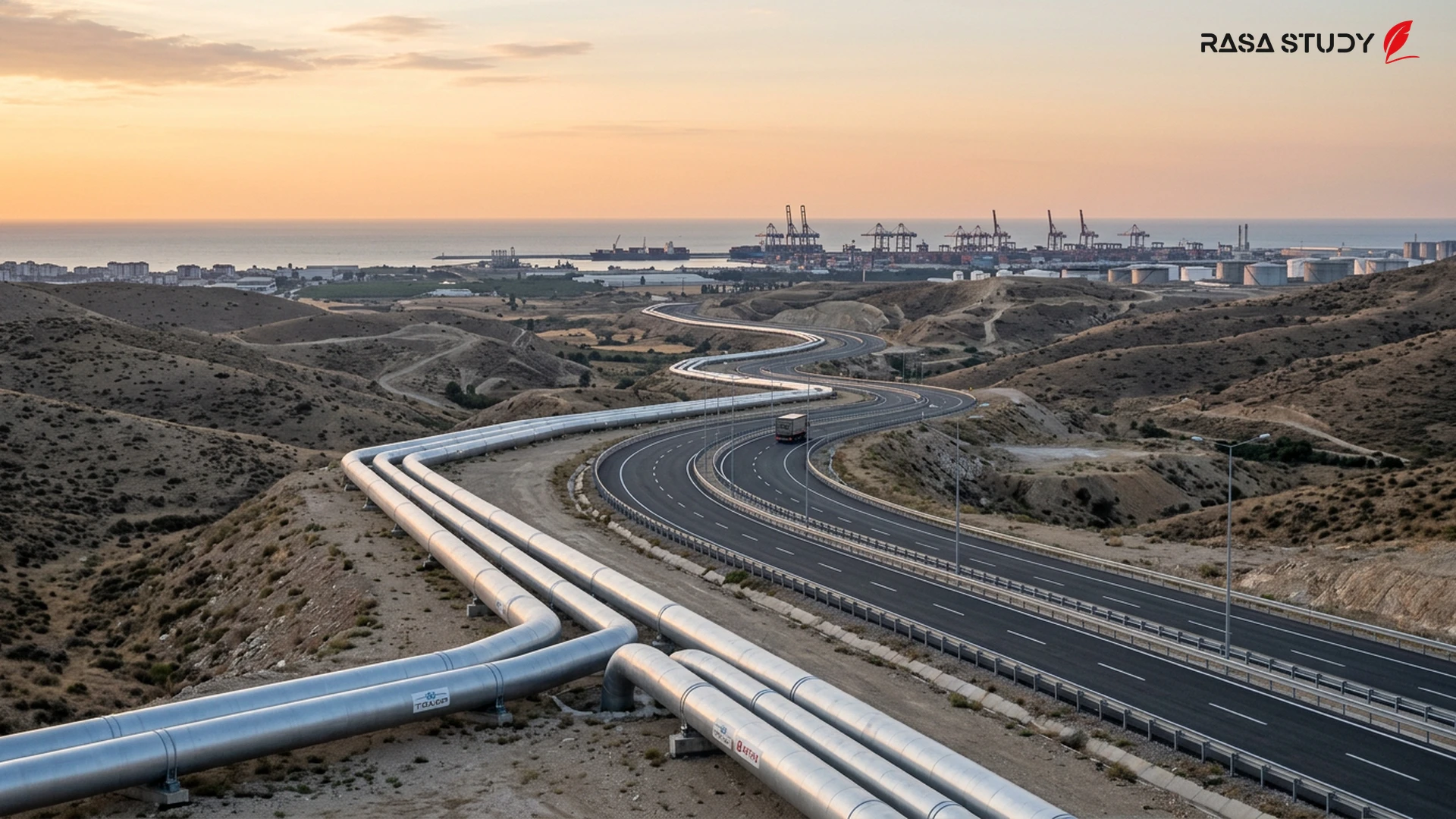
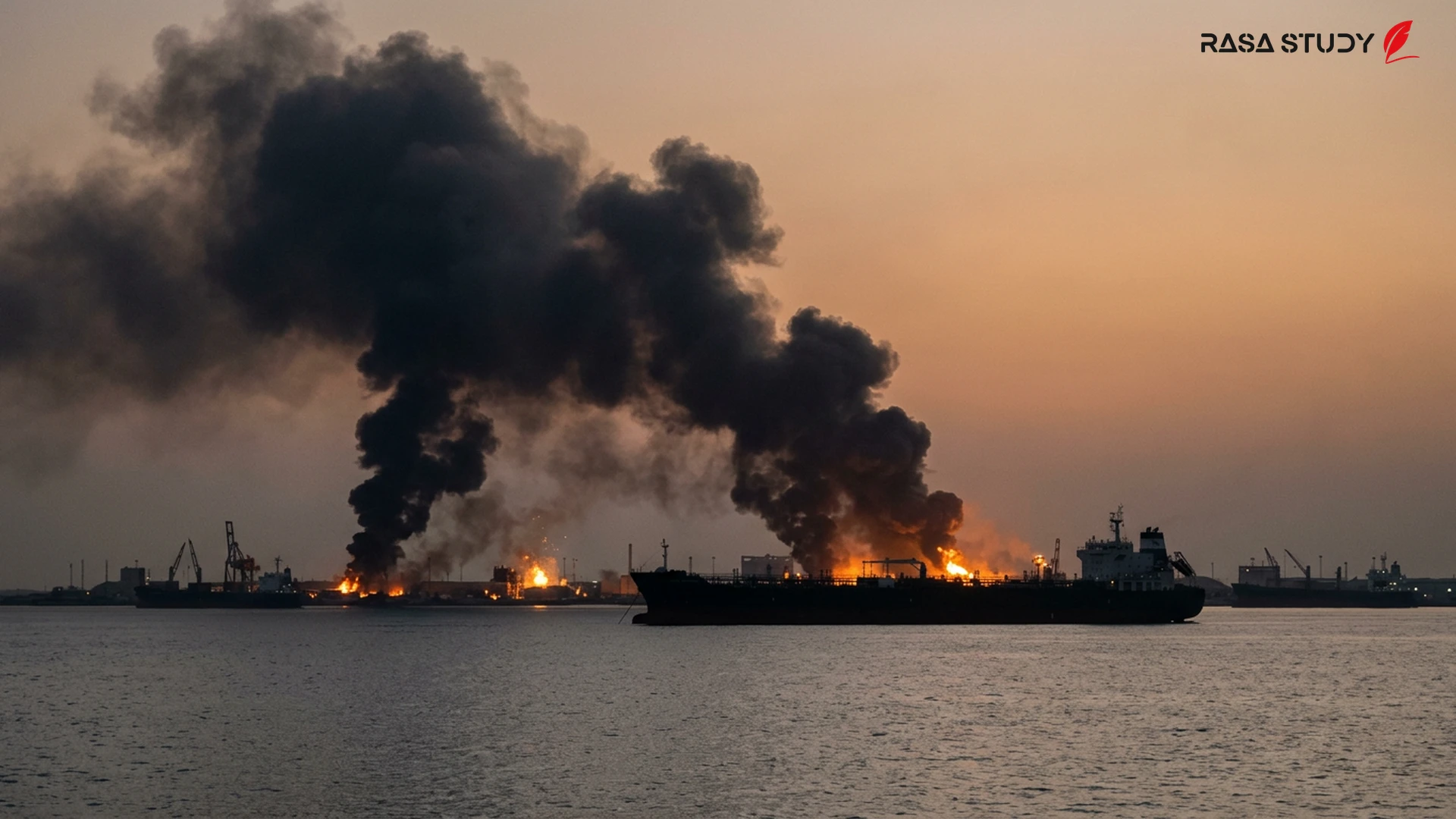
This escalation occurred after the United States reinstated a naval blockade of Iranian ports. Washington officials claim that Iran has endangered global trade security by threatening to close oil export routes in the Strait of Hormuz [4]. President Trump stated that these attacks were carried out under his direct order to hold Tehran accountable for "recent aggressions." CENTCOM emphasized that the primary goal of this operation is to weaken Iran's ability to attack commercial vessels in this vital waterway [2]. In this regard, it is reported that more than 20 warships and hundreds of US military aircraft are currently on full alert in the region.
Tehran's Reaction and Counter-Attacks on US Bases
In response, officials of the Islamic Republic of Iran described these actions as an "existential war" and immediately took retaliatory measures. The Islamic Revolutionary Guard Corps announced that in response to the second wave of US attacks, it targeted US military bases in neighboring countries, including Kuwait (Ali Al-Salem base), Bahrain, and Jordan, with drone and missile strikes [3]. Mohammad Bagher Ghalibaf, Iran's senior negotiator, emphasized that regional security can only be ensured through indigenous arrangements and that the presence of foreign forces is the main cause of instability. Initial reports from Iran indicate that some attacks hit near civilian centers, including a hospital in Ahvaz, leading to the emergency evacuation of patients [1].
Economic Consequences and International Concerns
Global energy markets reacted quickly to these conflicts. Brent crude oil prices jumped to their highest levels in recent months as traders fear a complete closure of the Strait of Hormuz; a route through which approximately one-fifth of the world's oil and gas previously passed [3]. The United Nations, condemning the escalation of conflicts, warned that the continuation of this situation could face the global flow of food and medicine distribution with a serious crisis. While diplomatic efforts mediated by some regional countries continue, both sides insist on their military positions, and there are no signs of de-escalation in the coming hours [4].
CENTCOM announced that the second wave of attacks against Iranian military capabilities in the Strait of Hormuz has been successfully completed.
linkSources
- ABD ordusundan İran’a yönelik ikinci dalga saldırıları — Kars Manşet (2026-07-15)
- CENTCOM announces second wave of US strikes against Iran — Fox News (2026-07-16)
- U.S. launches two waves of attacks on Iran's coastal defenses — Al-Monitor / Reuters (2026-07-16)
- US launches second wave of strikes against Iran: CENTCOM — Anadolu Agency (2026-07-15)