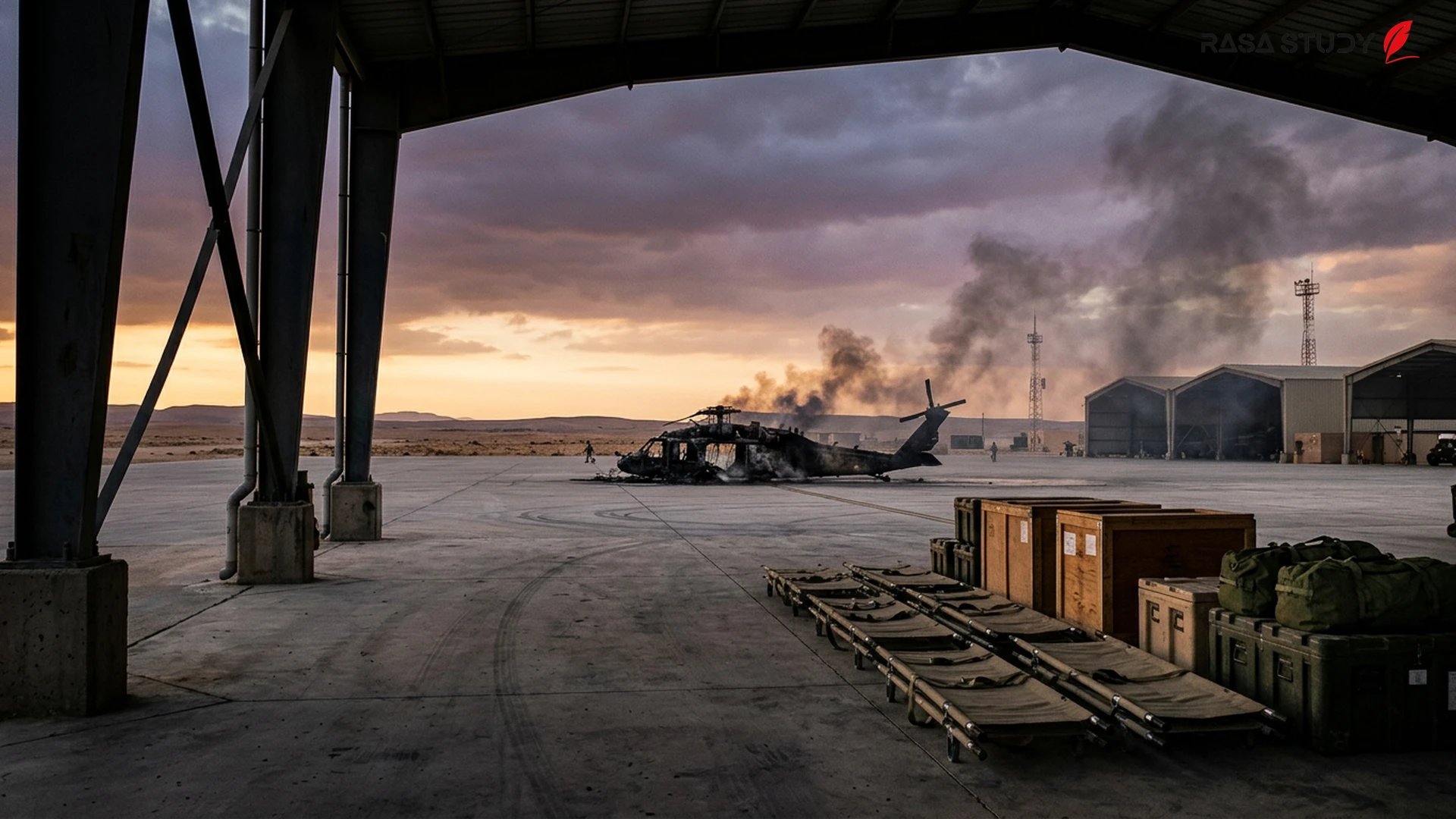
Recent reports reveal an extensive plan by the United States aimed not at direct military conflict, but at permanently neutralizing the Strait of Hormuz as Iran’s primary instrument of power and international bargaining.
Paradigm Shift in the Persian Gulf: From Military Confrontation to Infrastructure Isolation
Today, July 16, 2026, reports from credible sources such as "Habertürk" indicate that the United States has shifted its strategy toward Iran from sporadic border conflicts to a full-scale "infrastructure war." According to published analyses, Washington has concluded that to contain Tehran's regional influence, it must invalidate Iran's "biggest coupon"—its leverage over the Strait of Hormuz [1]. This plan, referred to as the "Hormuz Deactivation Map," seeks to create sustainable energy transport alternatives so that Iranian threats to close this international waterway no longer impact global markets.
Revival of the Kirkuk-Baniyas Pipeline; A Strategic Blow from the Heart of the Mediterranean
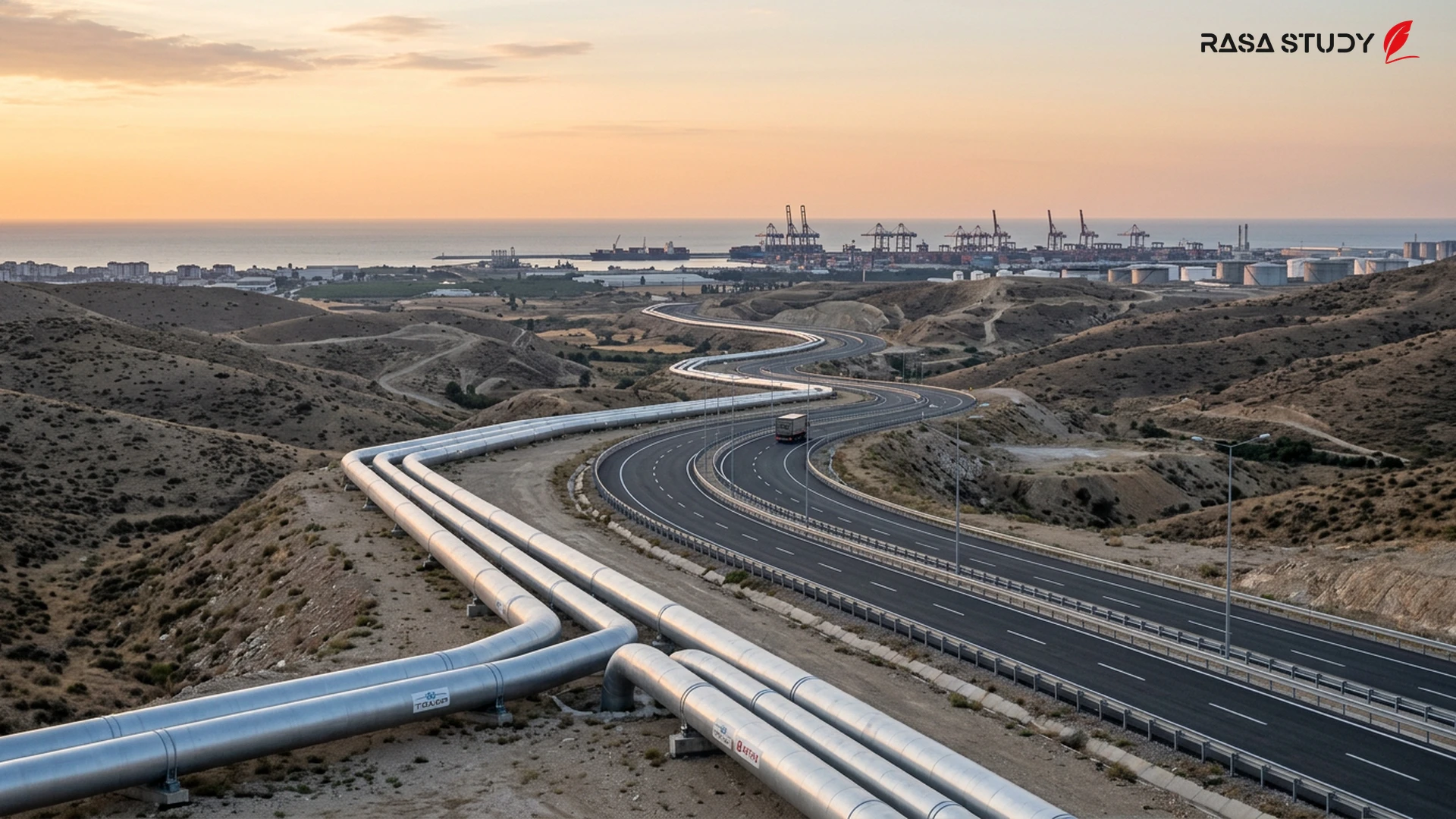
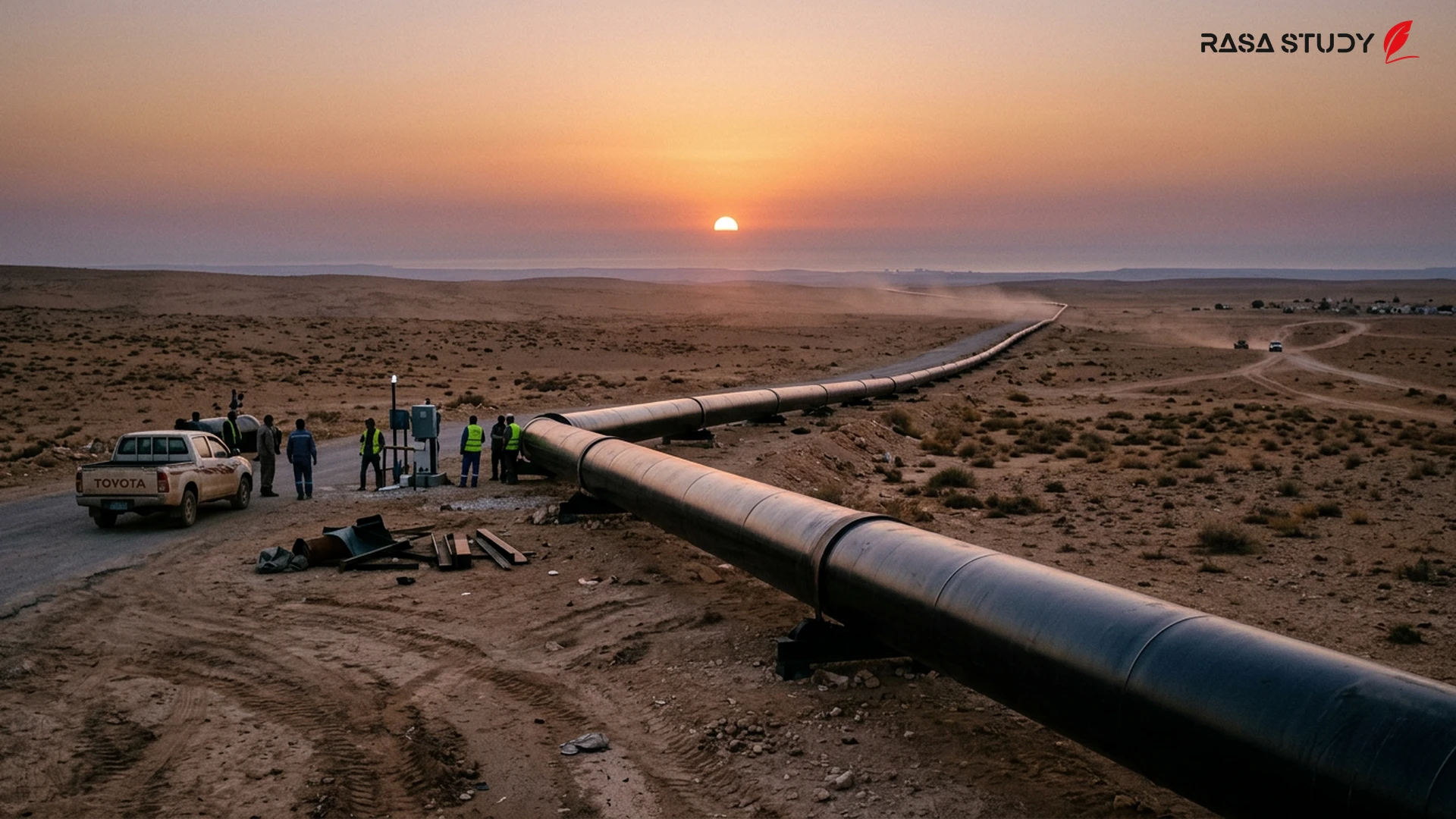
A cornerstone of this plan is a major agreement between the United States, Iraq, and Syria to revive the historic "Kirkuk-Baniyas" pipeline. This 800-kilometer pipeline, which has been out of service for decades, is intended to transport Iraqi crude oil directly to the port of Baniyas on the Mediterranean coast [2]. The Trump administration, by lifting sanctions on specific sectors of Syria and securing Baghdad's cooperation, intends to rapidly increase the capacity of this route. According to experts, this project not only reduces Iraq's dependence on the Persian Gulf but also severely weakens Iran's influence over its neighbors' export routes [4].
Alternative Corridors and New Energy Alliances
In addition to the Syrian route, Gulf Cooperation Council countries, with technical support from Washington, have accelerated projects to bypass Hormuz. Saudi Arabia has maximized the capacity of its "East-West" pipeline, and the United Arab Emirates is finalizing a new phase of the Fujairah pipeline [3]. Simultaneously, recent progress in the India-Middle East-Europe Economic Corridor (IMEC) demonstrates a global determination to create transit routes that do not pass through areas under direct Iranian maritime influence. These measures have led to an unprecedented decrease in the volume of oil that must necessarily pass through the Strait of Hormuz in 2026.
Tehran's Reaction and Upcoming Challenges
In response, Tehran officials have warned that any attempt to change the traditional order in the Persian Gulf will be met with a harsh reaction. However, analysts believe Iran is in a strategic deadlock; closing the Strait of Hormuz while alternative routes are operational would isolate Iran and result in the loss of its transit revenues more than it would damage the global economy [4]. It appears that with this "infrastructure chess," Washington is disarming Tehran without firing a single large-scale shot.
International efforts to create alternative energy routes have seriously challenged the geopolitical importance of the Strait of Hormuz in 2026.
linkSources
- Hürmüz'ü devre dışı bırakma planı: ABD'nin asıl hedefi İran değil, İran'ın en büyük kozu — Habertürk (2026-07-16)
- Exclusive: Syria, Iraq and US plan to unveil Mediterranean pipeline deal to bypass Strait of Hormuz — Middle East Eye (2026-07-11)
- Pipelines Are Defusing Iran's Negotiating Leverage — Investing.com (2026-05-20)
- Iran's Hormuz Gamble Ushers in a Tense New Normal for Gulf Energy — Reuters (2026-07-10)