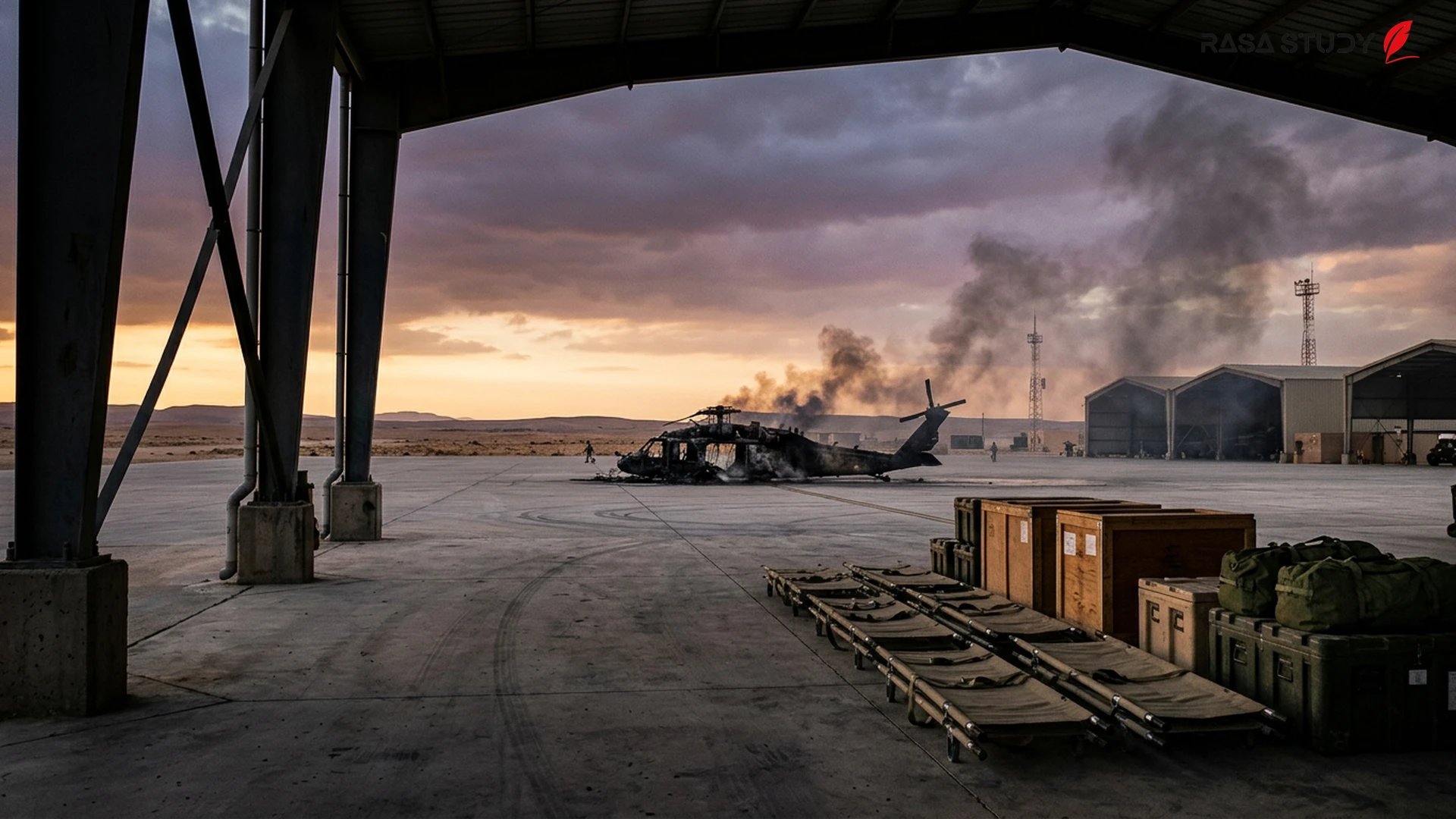
Akdoğan Özkan, a prominent analyst for T24, examines the results of direct confrontations between Iran and Israel in a critical note, identifying the real winners and losers of these decisive conflicts within the context of 2026 developments.
# Paradigm Shift in Regional Conflicts
As of June 2026, re-reading strategic analyses of the major conflicts of recent years has gained double importance. Akdoğan Özkan, in his note for T24, provides a deep look at the direct and indirect confrontations between Iran and Israel, answering the key question of whether victory in these battles is measured solely by military criteria [1]. He believes that the concept of "victory" in modern Middle Eastern wars is defined in think tanks and through shifts in the balance of deterrence rather than being determined on the battlefield.
# Israel and Iran: Military Victory or Strategic Failure?
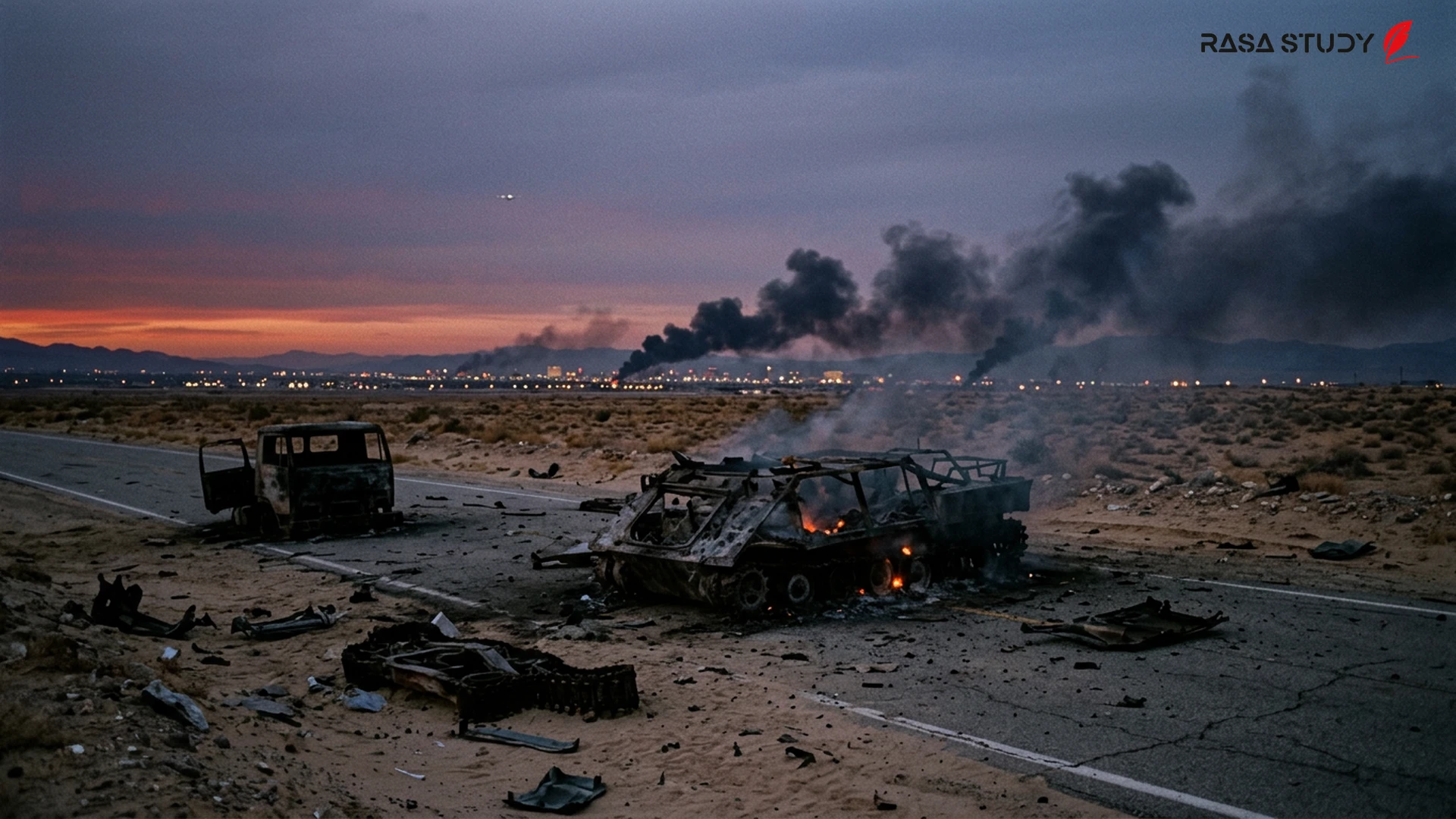
Özkan argues that despite possessing superior military technology and unwavering Western support, Israel faces serious challenges in achieving its long-term deterrence goals. On the other hand, Iran has managed to impose new equations on the opposing side by shifting its strategy from "strategic patience" to "direct response" [2]. However, the analyst emphasizes that heavy economic costs and diplomatic pressures for both sides have turned any military victory into a "Pyrrhic victory" (a victory at a devastating cost). In fact, both main actors are involved in an evolutionary process of attrition that has severely affected their national resources.
# The Role of Global Powers: Russia and China
One of the highlights of Özkan's analysis is the role of extra-regional actors. He points out that while the United States and its Western allies are heavily involved in managing the crisis in the Middle East, powers such as Russia and China are exploiting this chaos to advance their agendas in other parts of the world [3]. From his perspective, the real winner of the war in which Iran is one side may not necessarily be in Tehran or Tel Aviv, but in capitals that, without firing a single bullet, are witnessing the weakening of their strategic rivals and the shift of NATO's focus from Eastern Europe to the Middle East.
# The Future of the Middle East Against the Backdrop of 2026 Tensions
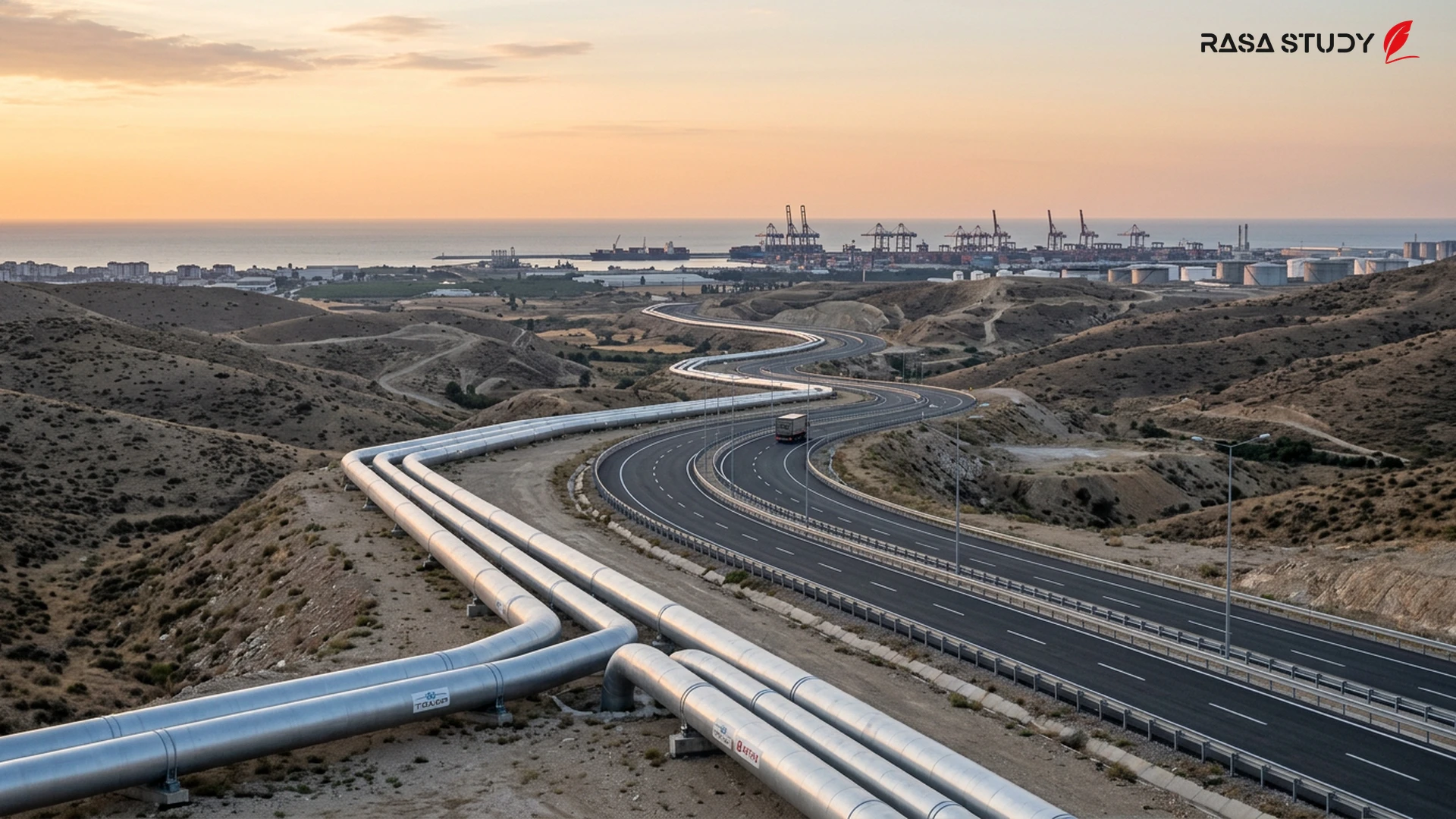
By mid-2026, it has become clear that the 2024 conflicts were a turning point in the region's history. Özkan warns in his analysis that the continuation of this situation could lead to further erosion of regional powers. He believes the real winner is the one who can guarantee economic stability and energy security in the long run, not the one who merely hit more targets in an exchange of fire. This analysis shows that in today's world, wars have no absolute winners and are only tools for redefining spheres of influence in a changing global order.
Analysts believe that the direct conflicts of recent years have permanently changed the security structure of the Middle East.
linkSources
- İran-İsrail 'savaşını' kim kazandı? — T24 (2024-04-16)
- Iran-Israel: The new era of direct confrontation — BBC News (2024-04-15)
- Iran attacks Israel with drones and missiles: What to know — Al Jazeera (2024-04-14)