The Ministry of Foreign Affairs of the Islamic Republic of Iran, in a sharp reaction to recent remarks by Turkish Foreign Minister Hakan Fidan, called the comparison of Tehran's defense policies with the actions of the Zionist regime 'astonishing' and urged Ankara to review its regional analyses.
Spark of Tension; Hakan Fidan's Controversial Remarks In recent days, Turkish Foreign Minister Hakan Fidan, in an interview with regional media, made remarks that immediately met with a negative reaction from Tehran officials. In his speech, Fidan compared Iran's preemptive security policies and the use of allied forces in the region to the actions of the Zionist regime [3]. He claimed that just as Israel occupies parts of the region under the pretext of security, Iran has followed similar policies through its proxy forces. These remarks come as relations between the two countries have been affected in recent months by developments in the Caucasus and maritime crises.
Tehran's Firm Response; Rejection of Proxy Forces Esmaeil Baghaei, spokesperson for the Iranian Ministry of Foreign Affairs, responded in detail to these claims during his weekly press conference on July 12, 2026. Expressing surprise at Fidan's words, Baghaei described the comparison as 'incorrect' and 'strange' [2]. He emphasized that the Islamic Republic of Iran has no 'proxy forces' in the region and that all resistance groups act based on their national interests and beliefs. Baghaei noted: 'It is astonishing that someone with Hakan Fidan's experience would compare Iran's defensive actions with the genocide and expansionist policies of the Zionist regime; a regime that is itself considered a threat to Turkey's national security' [1].
Hormuz Crisis and the Fate of the 'Islamabad Memorandum' This diplomatic tension occurs at a time when the region is grappling with multiple crises. One of the main axes of recent disputes is the management of traffic in the Strait of Hormuz and the fate of the 'Islamabad Memorandum,' which was signed in early 2026 to reduce tensions between Iran and the United States [4]. Baghaei mentioned in his remarks that this memorandum is now in a critical state and the opposing parties have not fulfilled their commitments. He also asked Turkish friends to refrain from repeating narratives that solely benefit the interests of Tel Aviv and ignore field realities [3].
Geopolitical Dimensions; From the Zangezur Corridor to Regional Security In addition to Middle East issues, the subject of the Zangezur Corridor and the transit plans known as the 'Trump Route for Peace and Prosperity' (TRIPP) are other points of friction between Tehran and Ankara. While Turkey emphasizes the strategic importance of this corridor for connecting to the Turkic world, Iran has consistently warned against any changes to international borders and the region's geopolitics [4]. It appears that Fidan's recent remarks are part of a broader diplomatic pressure to align Iran with new regional projects, which has met with strong resistance from Tehran.
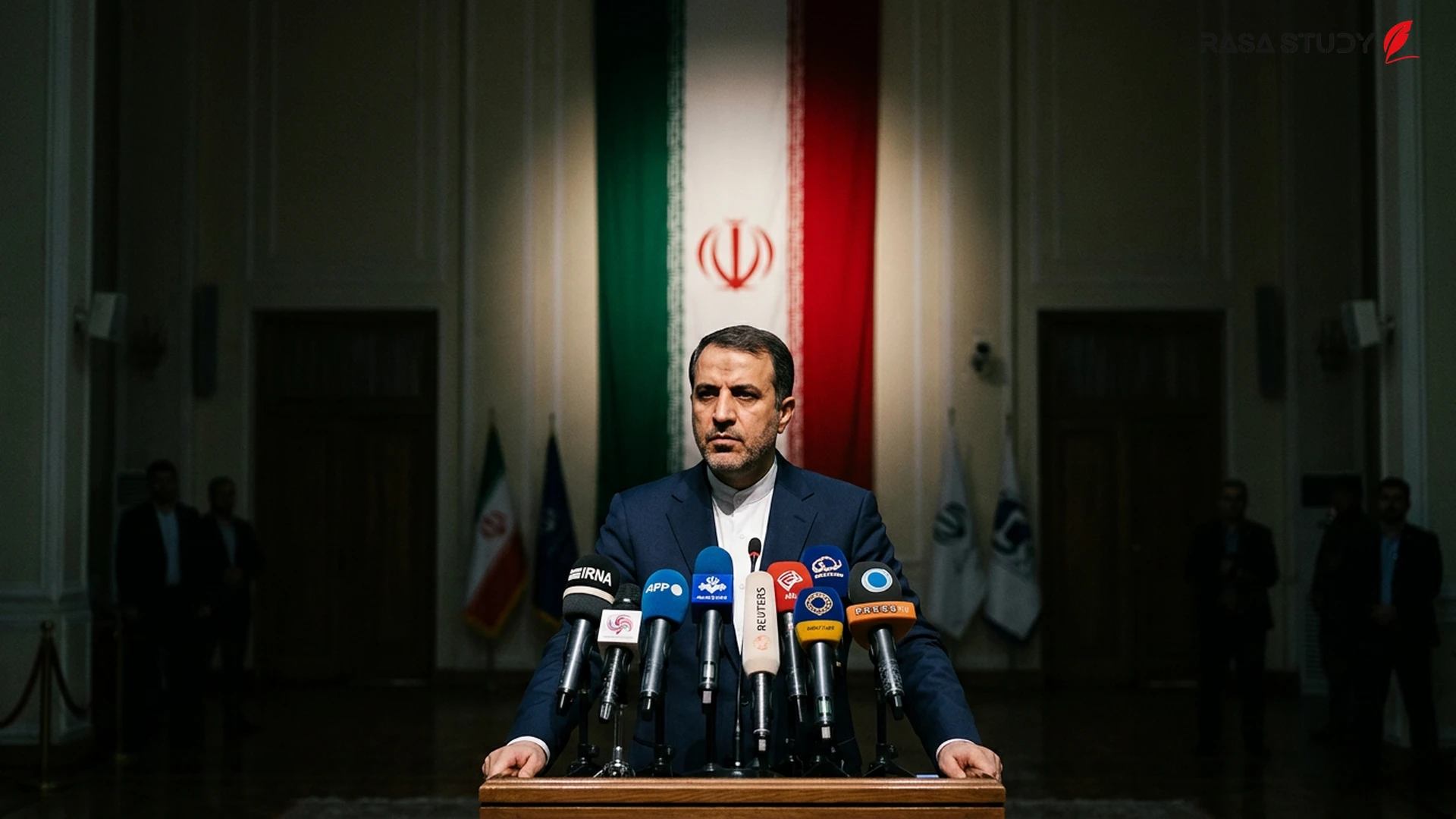
Esmaeil Baghaei, spokesperson for the Iranian Foreign Ministry, answering journalists' questions about recent tensions with Ankara.
linkSources
- İran Dışişleri Bakanlığı Sözcüsü İsmail Bekai: Fidan'ın kıyaslaması şaşkınlık verici — YDH (2026-07-13)
- واکنش وزارتخارجه به اظهارات هاکان فیدان/ حیرتآور است — Fararu (2026-07-13)
- Iran condemns Turkish FM's 'astonishing' comparison with Israel — News.Az (2026-07-13)
- Baghaei: No Proxy Forces in the Region, Israel is the Only Proxy — WANA (2026-07-13)