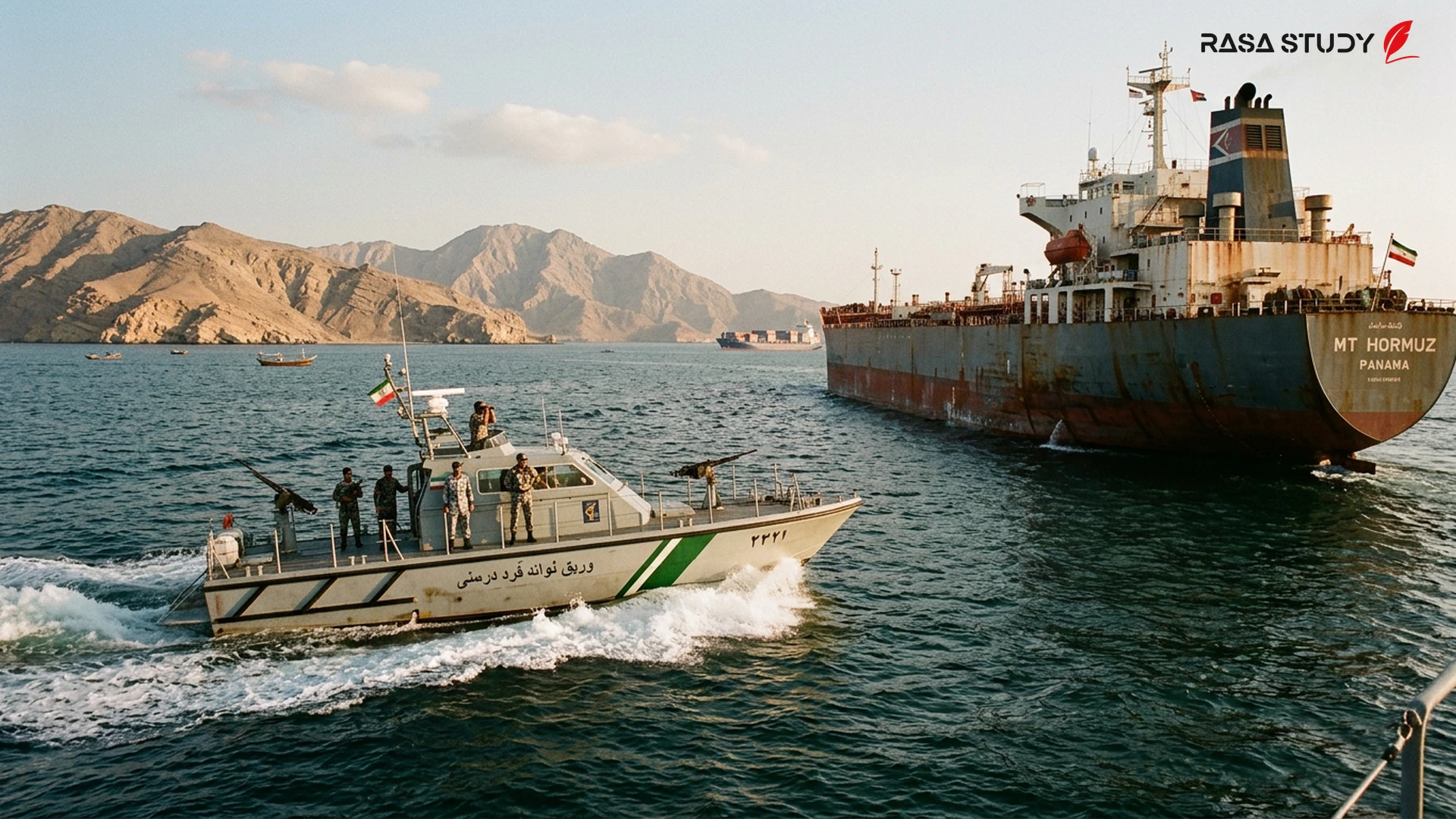
Following increased maritime tensions in the Persian Gulf, Mohammad Bagher Ghalibaf, Speaker of the Iranian Parliament, and the Khatam al-Anbiya Central Headquarters issued separate statements emphasizing that any US intervention in the security of the Strait of Hormuz will be met with a harsh and regrettable response.
Iranian Parliament Speaker's Explicit Warning to Washington On July 3, 2026, Mohammad Bagher Ghalibaf, Speaker of the Islamic Consultative Assembly, stated decisively that the Islamic Republic of Iran will under no circumstances allow United States intervention in the management and security affairs of the Strait of Hormuz [1]. These remarks come as the region remains in a sensitive state of 'fragile ceasefire' after months of military tension. Ghalibaf emphasized that sovereignty over this strategic waterway is Iran's definitive right and any attempt to disrupt the current order will face a direct reaction from Tehran [5].
Strait of Hormuz; A Red Line for the Armed Forces Simultaneously with this political stance, the Khatam al-Anbiya Central Headquarters released an official statement calling the security of the Strait of Hormuz a 'red line' for the Iranian Armed Forces [2]. The statement noted that the presence of American manned aircraft and drones over this waterway is the primary cause of insecurity in the region. Military officials have warned that all tankers and commercial vessels are required to follow the navigation protocols established by Iran, and deviating from designated routes will jeopardize the security of these ships [4].
Reaction to the CENTCOM Security Meeting in Bahrain This new wave of warnings began after the United States Central Command (CENTCOM) held a security meeting featuring military officials from 11 regional countries in Manama, the capital of Bahrain [3]. The meeting emphasized 'freedom of navigation' and the free flow of trade, but Tehran views this move as an attempt to legitimize illegal US intervention in the region. Kazem Gharibabadi, Deputy Foreign Minister, also reacted to the meeting, stating that the management of the Strait of Hormuz is solely the responsibility of the coastal states and the interference of trans-regional forces only adds to the complexity of the situation [6].
The Challenge of Transit Fees and New Protocols One of the main points of contention in ongoing negotiations is Iran's insistence on designating specific routes and the potential implementation of 'navigation service fees' for passing ships [5]. Recent reports indicate that some European powers and Gulf countries consider the payment of these fees an inevitable solution to guarantee security and prevent a return to full-scale military conflict [3]. However, Washington continues to oppose any action that increases Iranian control over this international waterway. Currently, Qatari and Pakistani mediators are attempting to prevent these verbal tensions from escalating into a new military confrontation [4].
The Strait of Hormuz has once again become the focus of political and military tensions between Iran and the United States in July 2026.
linkSources
- İran Meclis Başkanı Kalibaf: 'ABD'nin Hürmüz Boğazı'na herhangi bir müdahalesine izin vermeyeceğiz' — Haberler (2026-07-03)
- Hürmüz Boğazı'na Yönelik ABD Müdahalesi İran'ın Sert Tepkisiyle Karşılaşacak — Tasnim News Agency (2026-07-02)
- Iran's military command issues threat a day after Qatari mediators hailed 'positive progress' — Al Jazeera (2026-07-03)
- Iran warns oil tankers to use approved routes in Strait of Hormuz or face a 'forceful response' — PBS News / AP (2026-07-02)
- بلومبرگ: کشورهای اروپایی اکنون پرداخت عوارض در تنگه هرمز را اجتنابناپذیر میدانند — IRNA (2026-07-03)


